How to Prune White heath aster?
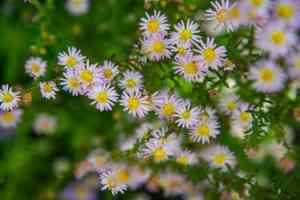
A hardy perennial, white heath aster is valued for its abundant clusters of small white blossoms that appear from late summer until the first frost. To ensure vigorous development, cut back the plant in early spring prior to the emergence of new shoots. Removing spent flowers after the initial bloom period can stimulate a subsequent flowering. Pruning in late summer should be limited to excising only dead or compromised stalks. Consistent trimming improves air movement, deters ailments, and fosters prolific blooming. Refrain from extensive pruning as white heath aster prepares for dormancy to safeguard stems that will overwinter.
What Are the Benefits of Pruning White Heath Aster?
What Are the Benefits of Pruning White Heath Aster?
Trimming white heath aster promotes robust development and preserves its desired compact form. This action helps stimulate new branching, boost flowering potential, and prevent sprawling that can cause breakage and illness.
What Is the Best Time for Pruning White Heath Aster?
What Is the Best Time for Pruning White Heath Aster?
Pruning in early spring coincides with white heath aster's dormant phase, which is optimal as it allows the plant to recover without expending extra energy on growth or blossoms. This timing also permits gardeners to shape the plant and eliminate any winter damage before new growth commences. Pruning into late summer is advantageous as it enables the removal of spent flowers, which can encourage a second bloom and deter unwanted self-seeding. Care should be taken to finish pruning activities before autumn to avoid new growth that may not harden off before winter frosts.
What Tools Do I Need to Prune White Heath Aster?
Hand Pruners
Perfect for making precise cuts on white heath aster's slender stems during thinning or shaping.
Pruning Shears
Best for snipping dead or damaged stems, as white heath aster typically has smaller, fine-textured foliage.
Gloves
Protects hands from thorns and plant sap while trimming white heath aster.
Garden Scissors
Useful for deadheading white heath aster and maintaining plant health by removing faded blooms.
Long-Handled Loppers
Helps reach deeper into or higher up the plant without harming surrounding foliage, should white heath aster grow tall or dense.
How to Prune White Heath Aster
Step1: Plant Examination
Inspect white heath aster: Begin by examining the entire plant, focusing on dead flowers, weak stems, and damaged stems slated for removal.
Step2: Tool Sanitization
Sanitize Tools: Prior to starting, clean and sterilize all pruning implements to prevent disease transmission. Use a solution of 1 part bleach to 9 parts water for disinfection.
Step3: Pre-Pruning Hydration
Hydrate white heath aster: Ensure white heath aster is well-watered the day before pruning. A hydrated plant is more resilient to the stress of trimming.
Step4: Pruning Timing
Timing: Schedule pruning for late winter or early spring, before new growth starts, to avoid cutting off flower buds and to allow the plant to focus energy on emerging stems.
Step5: Deadhead Removal
Remove Dead Flowers: Identify faded flower heads and cut them back to just above a healthy leaf set or a growth node. This will encourage new growth and potential reblooming.
Step6: Weak Stem Pruning
Prune Weak Stems: Locate spindly stems or those that haven't produced strong growth. Trim these stems down to ground level or back to a strong outward-facing bud to stimulate thicker growth.
Step7: Damaged Stem Cutting
Cut Damaged Stems: Identify any broken, diseased, or damaged stems. Make a clean cut at a 45-degree angle at least 6 inches into healthy tissue to ensure the damaged area is fully removed.
Step8: Thinning for Airflow and Light
Thin Crowded Areas: To enhance air circulation and light penetration, selectively thin out dense areas by cutting some stems back to the base of white heath aster.
Step9: Plant Shaping
Shape white heath aster: After dead, weak, and damaged parts are removed, step back to assess the overall form. If additional shaping is needed, trim stems strategically to maintain a pleasing, natural appearance.
Step10: Post-Pruning Clean-Up
Clean Up: After pruning, rake up and dispose of all cuttings to reduce the risk of pests and diseases. Finish by watering the plant to help it recover from the stress of trimming.
Step11: Growth Monitoring
Monitor white heath aster: Following pruning, observe the plant's response. Watch for new growth and any signs of stress, addressing issues as necessary.
Post-Pruning Care for White Heath Aster
Post-Pruning Care for White Heath Aster
After trimming white heath aster, immediately water the plant to lessen stress. Ensure it gets sufficient sunlight but avoid intense midday sun. Maintain moderate humidity and a stable temperature to prevent shock. Apply a balanced, slow-release fertilizer to aid recovery and encourage growth. Observe for wilting, discoloration, or signs of infection, which indicate stress or disease. If such symptoms appear, adjust care and consult a horticultural expert if conditions do not improve.
Common Pruning Mistakes with White Heath Aster
Over-pruning weakens plant and reduces flowers
Trimming white heath aster too severely can result in a weakened plant that produces fewer flowers. It's crucial to avoid cutting back more than one-third of the plant at a time.
Using dull or dirty tools harms plants
Failing to use clean, sharp tools can lead to jagged cuts that harm white heath aster, making it vulnerable to disease and pests.
Neglecting lower branches impairs air and light
Pruning only the top part of white heath aster and ignoring the inner and lower branches can lead to poor air circulation and insufficient light penetration, which are vital for overall plant health.
Not cutting away dead stems hinders growth
Not removing dead or diseased stems during pruning can impede white heath aster's growth and spread disease throughout the plant.
Ignoring plant's natural shape damages structure
Disregarding the natural form of white heath aster during pruning can lead to an unnatural appearance and potentially harm the plant's structural integrity.
Common Pruning Tips for White Heath Aster
Remove dead stems to promote healthy growth
Start by removing any dead, diseased, or damaged stems from white heath aster to encourage healthy growth and maintain the plant's desired shape.
Make angled cuts for water runoff and growth
Make angled cuts above the leaf nodes on white heath aster to promote better water drainage and facilitate new growth in the desired direction.
Thin center for better air flow and light
Thin out the center of white heath aster to improve air circulation and light penetration, which will help prevent disease and promote stronger, more vigorous plants.
Deadhead spent flowers for more blooms
Employ a technique called 'deadheading' on white heath aster by removing spent flowers to encourage further blooming and keep the plant looking neat.
Prune to maintain natural shape for less stress
When shaping white heath aster, strive to maintain the plant's natural habit for aesthetic purposes and to prevent stress that can lead to fewer blooms.



