How to Prune Coralberry?
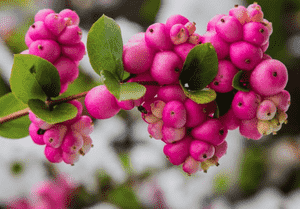
Coralberry, characterized by its vibrant fruit and graceful, arching stems, is an easily managed shrub that benefits significantly from trimming. Each year, removing aged branches after the blooming period helps sustain its health and strength. Trimming it back in the early spring stimulates vigorous development. This practice revitalizes the shrub, boosts its berry yield, and manages its dimensions. Refrain from shearing to uphold its inherent shape. You will observe more abundant blossoms in the subsequent season and an enhanced plant structure. Pruning serves not merely as upkeep but as a chance to refine its form and promote its vitality.
What Are the Benefits of Pruning Coralberry?
What Are the Benefits of Pruning Coralberry?
Trimming coralberry promotes robust development by eliminating old or lifeless wood, stimulating fresh growth. It also aids in maintaining the desired form and dimensions, which is crucial for garden aesthetics and spatial management.
What Is the Best Time for Pruning Coralberry?
What Is the Best Time for Pruning Coralberry?
Pruning in early spring is ideal for coralberry as it coincides with the plant's dormant phase, minimizing stress and preventing the loss of vital sap. This timing also allows cuts to heal before the growing season. Moreover, without foliage, the plant's structure is more visible, simplifying branch selection for removal. Spring pruning encourages vigorous growth and the development of strong, healthy shoots capable of supporting fruit weight. It also helps maintain an attractive shape and prevents the spread of diseases or pests, which are less active during this period.
What Tools Do I Need to Prune Coralberry?
Hand Pruners
Suitable for cutting stems up to 3/4 inch in diameter, hand pruners are essential for coralberry. They enable precise cuts that foster healthy regrowth and are perfect for shaping the shrub and removing dead or diseased wood.
Loppers
With extended handles and increased cutting power, loppers are excellent for reaching into the denser parts of coralberry to trim thicker branches, typically up to 1 and 1/2 inches in diameter, without straining the gardener.
Pruning Saw
When dealing with branches exceeding the maximum cutting capacity of loppers, a pruning saw is necessary. It can effortlessly cut through thick, mature coralberry stems, ensuring a clean cut for healthy regrowth.
Hedge Shears
For shaping and maintaining a uniform, formal appearance in coralberry hedges, hedge shears are the preferred tool. They allow for quick, straight cuts across multiple stems, but should be used carefully to avoid excessive pruning.
Pruning Gloves
To safeguard hands from thorns and rough branches while pruning coralberry, wearing durable gloves is recommended. They provide grip and prevent injuries during the pruning process.
Disinfectant
Keeping all tools clean and sanitized with a disinfectant is vital to prevent disease transmission when pruning coralberry. This ensures the plant remains healthy after cutting.
How to Prune Coralberry
Step1: Timing for Pruning
Determine the correct time of year for pruning coralberry, which is typically in late winter or early spring before new growth emerges. This timing helps avoid cutting off flower buds and promotes a healthy growing season.
Step2: Remove Dead Wood
Start by removing any dead wood. Use sharp, clean pruning shears, making cuts at a 45-degree angle, approximately 1/4 inch above a healthy bud or branch. This encourages new growth while reducing disease risk.
Step3: Rejuvenate by Pruning Old Stems
Prune out old stems to revitalize coralberry. Focus on stems older than two years that may no longer produce vibrant foliage or berries. Cut these stems back to ground level to allow younger, more vigorous stems to replace them.
Step4: Eliminate Diseased Sections
Locate and remove any diseased sections. Ensure cuts extend well into healthy tissue to completely eliminate the disease. Sterilize your pruning tools before and after this step to prevent pathogen spread.
Step5: Thin Out for Air and Light
Thin out the shrub to enhance air circulation and light penetration. Remove some of the newer wood by cutting at the base. This promotes a more open, healthier growth habit and boosts berry production.
Step6: Shape the Plant
Shape coralberry as desired by trimming the tips of the stems to a set of leaves facing the plant's exterior. This helps maintain the plant's natural form and encourages branching, leading to a fuller shape.
Step7: Cleanup Pruning Area
Clear the pruning area by removing all cuttings. Decaying plant material can harbor pests and diseases. Dispose of debris properly, especially if it contains diseased plant parts.
Step8: Watering and Mulching Post-Pruning
After pruning, water coralberry thoroughly and consider applying a layer of mulch to help retain soil moisture and provide nutrients for healthy regrowth.
Post-Pruning Care for Coralberry
Post-Pruning Care for Coralberry
After pruning, ensure proper disposal of cut branches and leaves, especially if they show signs of disease, to prevent pathogen spread. Water the plant thoroughly, as pruning can be stressful, and adequate moisture aids recovery. Consider applying a balanced fertilizer to support new growth, but avoid over-fertilization, which can harm the plant. Monitor the pruned area for any signs of pests or diseases and take appropriate action if needed. Finally, keep the plant in suitable light conditions to promote healthy regeneration.
Common Pruning Mistakes with Coralberry
Over-Pruning: Sparse and Misshapen Growth
Pruning too aggressively, which can result in a sparse or misshapen coralberry.
Using Dull or Dirty Pruning Tools
Employing dull or unclean pruning tools that can cause damage or introduce disease to coralberry.
Not Removing Dead or Diseased Branches
Failing to remove dead, diseased, or damaged branches, which can impede coralberry's health and vigor.
Lack of Clear Pruning Goals or Plan
Pruning without a defined objective or strategy, leading to an uneven or undesirable shape for coralberry.
Forcing Unnatural Shapes on Plants
Disregarding the natural growth habit of coralberry and attempting to force it into an unnatural form.
Common Pruning Tips for Coralberry
Use Sharp, Clean Tools for Healthy Cuts
Ensure pruning tools are sharp and clean to make precise cuts and prevent disease transmission on coralberry.
Thin Crowded Plant Areas for Better Air and Light
Focus on thinning out congested areas to enhance air circulation and light penetration, which is vital for coralberry's health.
Prune Dead Wood to Maintain Plant Health
Regularly remove dead, diseased, or damaged wood to maintain the overall health and appearance of coralberry.
Follow Natural Form When Shaping Plants
When shaping coralberry, adhere to its natural form, pruning selectively to encourage balanced, dense growth rather than a specific shape.
Prune Older Stems to Encourage New Growth
Consider coralberry's growth pattern when pruning; remove older stems to stimulate new growth without over-pruning.



