How to Prune Creeping Snowberry?
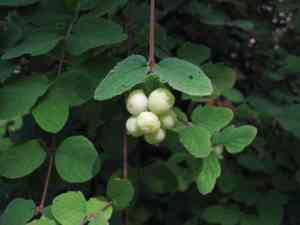
This indigenous shrub, recognized for its trailing growth and subtle white fruit, thrives with trimming to preserve its form and enhance vitality. Perform pruning in late winter or early spring prior to the emergence of new shoots. Remove any impaired or excessively long branches to foster robust, thick foliage. Periodically removing older woody stems every few years encourages new development and berry yield. Refrain from significant cutting during the summer months to safeguard the current season's fruit exhibition.
What Are the Benefits of Pruning Creeping Snowberry?
What Are the Benefits of Pruning Creeping Snowberry?
Trimming creeping Snowberry encourages vigorous development and maintains its desired shape. Eliminating old or overgrown branches promotes new shoots, boosting vitality and visual appeal. Regular cutting ensures creeping Snowberry remains healthy and well-structured in the garden.
What Is the Best Time for Pruning Creeping Snowberry?
What Is the Best Time for Pruning Creeping Snowberry?
Pruning creeping Snowberry in late winter or early spring is advantageous as it coincides with its dormant period before new growth begins. During this phase, creeping Snowberry has not yet used energy for leafing out, allowing for more efficient recovery from pruning. Late winter pruning minimizes disease and pest risks, which are lower in colder temperatures. In early spring, trimming creeping Snowberry before its first growth flush helps direct the plant's energy into producing healthy new shoots and maintains an attractive form. This timing also avoids disrupting creeping Snowberry's flowering and fruiting cycle, typically in late spring to summer, ensuring the seasonal display is unaffected. Following these guidelines contributes to the plant's overall health, vigor, and ornamental value.
What Tools Do I Need to Prune Creeping Snowberry?
Hand Pruners
These are perfect for cutting through creeping Snowberry's small, woody stems. Hand pruners offer precision and control, crucial for making clean cuts without harming the plant.
Pruning Saw
A pruning saw can be utilized for creeping Snowberry's older, thicker stems that hand pruners cannot manage. This ensures clean cuts and prevents tearing, which could lead to infection.
Loppers
When creeping Snowberry has branches slightly too thick for hand pruners but not thick enough for a saw, loppers are the appropriate tool. They provide leverage for easier pruning of somewhat thicker stems.
Garden Shears
For shaping and maintaining creeping Snowberry's dense foliage, garden shears are suitable. They help achieve a uniform shape and efficiently control the plant's spread.
Gloves
Wearing gloves while pruning creeping Snowberry is important for protecting the gardener's hands from scratches and potential irritants.
How to Prune Creeping Snowberry
Clean tools
Sanitize pruning shears with alcohol or a bleach solution to prevent disease transmission when trimming creeping Snowberry.
Identify
Inspect creeping Snowberry closely to find diseased and withered leaves that need removal. Look for any signs of discoloration, spots, or decay.
Cut diseased leaves
Using the sterilized shears, carefully remove diseased leaves by cutting them at the base of the leaf stalk. Ensure cuts are clean and avoid tearing to promote faster healing.
Cut withered leaves
Remove brown or dry withered leaves by cutting them close to the stem, being careful not to damage healthy tissues or nearby growth buds.
Disposal
Gather all removed leaves and dispose of them away from the garden area to reduce the risk of disease spreading to other plants.
Common Pruning Mistakes with Creeping Snowberry
Overpruning
Removing too much of creeping Snowberry's foliage or stems can stress the plant, hinder its growth, and reduce flowering.
Blunt tools
Using dull or dirty pruning tools can damage creeping Snowberry's stems, resulting in an uneven cut and increasing the risk of disease.
Tearing stems
Tearing or ripping stems instead of making a clean cut can harm creeping Snowberry, potentially causing dieback or inviting infection.
Ignoring deadwood
Failing to remove dead or diseased wood compromises creeping Snowberry's health and aesthetic appeal and can attract pests.
Flush cutting
Making flush cuts against the main stem can damage creeping Snowberry's protective tissues and impair healing.
Common Pruning Tips for Creeping Snowberry
Sharp tools
Use sharp pruning shears or scissors to make clean cuts on creeping Snowberry, which helps prevent disease and facilitates quicker healing.
Clean equipment
Before pruning creeping Snowberry, clean and sterilize tools to prevent the spread of disease between plants.
Angled cuts
Make cuts at a slight angle to prevent water from collecting on the cut surface, reducing the risk of rot or fungal infections for creeping Snowberry.
Timing post bloom
Prune creeping Snowberry shortly after blooming has finished to allow time for new growth that will produce next season's flowers.
Selective pruning
Thin creeping Snowberry selectively, removing only old, weak, or overcrowded stems to maintain a healthy structure and improve air circulation.
Mulching after pruning
After pruning creeping Snowberry, apply a layer of mulch around its base to help retain moisture, regulate soil temperature, and reduce weed competition.



