How to Prune Common snowberry?
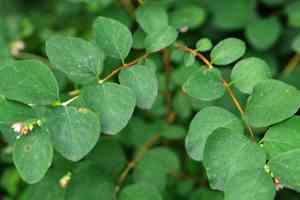
This leaf-shedding bush is distinguished by its white, berry-like fruits and gracefully curved limbs. Essential trimming methods involve reducing older branches to enhance air movement and sculpting common snowberry for visual attractiveness. Perform pruning in early spring, prior to the emergence of new shoots, to encourage vigorous leaves and blossoms. Particular attention must be paid to excising dead or compromised stalks to preserve the plant's vitality. Trimming additionally manages its dimensions and fosters the development of strong, fruit-bearing stems.
What Are the Benefits of Pruning Common Snowberry?
What Are the Benefits of Pruning Common Snowberry?
Trimming common snowberry promotes robust development and helps maintain its desired form, leading to a healthier and more visually appealing plant.
What Is the Best Time for Pruning Common Snowberry?
What Is the Best Time for Pruning Common Snowberry?
Pruning common snowberry in early spring is considered ideal because it allows for the removal of any dead or damaged wood from winter before the plant uses energy on new growth. Pruning at this time minimizes stress on common snowberry, as the plant is still dormant but ready to begin its active growth phase. This timing also prevents cutting off developing flower buds, which form on new wood, ensuring common snowberry's decorative white berries are produced the following season. Additionally, pruning during dormancy helps prevent the spread of diseases, which are less active in colder weather. By performing maintenance in early spring, gardeners can shape the plant, encourage healthy growth, and maintain its desired size without negatively impacting its health or ornamental value.
What Tools Do I Need to Prune Common Snowberry?
Hand Pruners
Perfect for trimming small branches and foliage, offering precise cuts for shaping common snowberry.
Loppers
Suitable for cutting thicker branches that hand pruners cannot manage, allowing access within common snowberry's dense growth.
Pruning Saw
Best for removing the largest branches of common snowberry, especially important for revitalizing older shrubs.
Gloves
Protect the gardener's hands from thorns and rough branches while pruning common snowberry.
Pruning Shears
Useful for shaping and maintaining the desired size and form of common snowberry.
How to Prune Common Snowberry
Step1: Assess Plant Health and Target Areas
Evaluate the overall health and structure of common snowberry before pruning. Identify old growth and damaged wood, which are the primary areas for trimming.
Step2: Sanitize Pruning Tools
Disinfect your pruning tools with a solution of 1 part bleach to 9 parts water to prevent disease transmission. Allow tools to air dry completely.
Step3: Prune During Dormancy
Begin pruning in late winter or early spring when common snowberry is dormant, just before new growth emerges. This timing helps prevent stress and promotes vigorous spring growth.
Step4: Angle Cut Above Healthy Buds
For damaged wood, make clean cuts at a 45-degree angle just above a healthy bud or branch junction. Ensure the angle slopes away from the bud to allow water runoff and reduce disease risk.
Step5: Rejuvenate with Old Growth Removal
Remove old growth to rejuvenate common snowberry by cutting back up to one-third of the oldest stems to ground level. This encourages new, healthy stems to develop, promoting more robust growth.
Step6: Increase Light and Air with Thinning
Thin out crowded areas by selectively pruning older branches in the center of common snowberry to increase light penetration and air circulation, which are vital for the plant's health and berry production.
Step7: Shape Following Natural Form
Shape common snowberry by cutting any irregular or overreaching branches back to maintain the desired form. Make sure to follow the plant's natural shape rather than imposing an unnatural one.
Step8: Dispose of Pruned Material
Collect and dispose of all pruned material from around common snowberry to maintain good hygiene and prevent the potential spread of pests or diseases harbored in the removed plant parts.
Step9: Water and Fertilize Post-Pruning
After pruning, water common snowberry thoroughly and apply a balanced, slow-release fertilizer to support recovery and new growth in the coming season.
Step10: Monitor Plant Health Post-Pruning
Monitor common snowberry after pruning for any signs of stress or disease and provide proper care as needed to ensure a healthy recovery and beautiful display of foliage and berries.
Post-Pruning Care for Common Snowberry
Post-Pruning Care for Common Snowberry
Immediately after pruning common snowberry, water the soil to help reduce stress. Place common snowberry in a location with filtered sunlight, ensuring stable temperatures and moderate humidity. Avoid direct harsh sun. Apply a balanced, slow-release fertilizer to nourish common snowberry and encourage vigorous growth. Regularly inspect common snowberry for any signs of distress, such as wilting or discoloration, which could indicate disease. If symptoms appear, promptly apply appropriate fungicides or pest control measures. Consistent monitoring and timely responses are crucial for common snowberry's post-pruning recovery.
Common Pruning Mistakes with Common Snowberry
Over-Pruning Weakens Plant Structure
Pruning too aggressively and removing excessive foliage can weaken common snowberry and degrade its natural shape.
Improper Tool Use Causes Damage
Neglecting to use sharp, properly sanitized pruning tools can result in ragged cuts and introduce disease to common snowberry.
Incorrect Woody Stem Pruning Affects Blooming
Cutting into old, woody stems without understanding the rejuvenation process may lead to poor flowering since common snowberry blooms on new wood.
Common Pruning Tips for Common Snowberry
Prune Only Dead or Diseased Branches
During pruning, focus on removing only dead, diseased, or damaged branches to maintain the health and aesthetics of common snowberry.
Selective Thinning Enhances Growth and Bloom
Thin out overgrown areas selectively, allowing light and air circulation to reach the center of common snowberry, which encourages new growth and blooms.
Prune to Natural Shape for Best Results
When shaping common snowberry, follow its natural form rather than imposing an unnatural shape, trimming lightly to achieve a desirable size and density.



