How to Prune West indian mahogany?
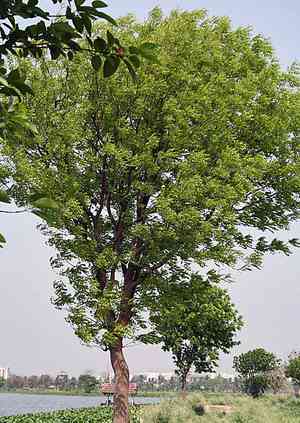
Recognized for its robust timber and abundant foliage, west indian mahogany flourishes with proper trimming. Essential methods involve excising deceased or ailing limbs, reducing crowded sections to improve air circulation, and sculpting for an attractive appearance. The most effective time for pruning is from late winter to early spring, while the plant is inactive, to lessen strain and prevent excessive sap leakage. Trimming offers advantages like fostering vigorous development, boosting resilience against infestations, and guaranteeing structural soundness. Cultivators ought to employ sanitized, keen implements to avert contamination and achieve precise incisions.
What Are the Benefits of Pruning West Indian Mahogany?
What Are the Benefits of Pruning West Indian Mahogany?
Trimming west indian mahogany promotes robust development by eliminating lifeless or weak branches, enhancing air circulation. It also preserves its desired form for visual and structural equilibrium.
What Is the Best Time for Pruning West Indian Mahogany?
What Is the Best Time for Pruning West Indian Mahogany?
Trimming west indian mahogany is ideal during late winter and early spring, as this timing avoids cutting the plant during its peak growth period, which typically occurs in late spring and summer. In late winter, the plant remains dormant, making it less vulnerable to pruning stress. Early spring pruning is advantageous as it prepares west indian mahogany for the upcoming growth season, allowing it to recover and produce new growth more efficiently. Furthermore, pruning at the end of winter minimizes the risk of disease infection, as many pathogens are less active in cooler weather. This timing also prevents the removal of emerging buds and blooms that will appear in the growing season, ensuring the plant's decorative appeal and natural reproductive processes are not negatively impacted. It is crucial that any pruning helps maintain the structural integrity and aesthetic form of west indian mahogany, enhancing its overall health and vigor.
What Tools Do I Need to Prune West Indian Mahogany?
Hand Pruners
Perfect for snipping small branches and twigs on west indian mahogany, hand pruners deliver precise cuts without harming the plant. They should be sharp and well-maintained for optimal performance.
Loppers
Given west indian mahogany's thicker branches, loppers are essential for cutting branches up to 2 inches in diameter. Their extended handles provide leverage, reducing the effort required for pruning.
Pruning Saw
For larger branches that hand pruners and loppers cannot manage, a pruning saw is necessary. It allows for accurate cutting on west indian mahogany's branches exceeding 2 inches in thickness.
Pole Pruner
West indian mahogany can grow quite tall, so a pole pruner is useful for reaching higher branches without needing a ladder, ensuring safety and efficiency during pruning.
Gardening Gloves
Protective gloves are vital to shield hands from thorns and rough bark while pruning west indian mahogany. They also offer grip and prevent blisters.
Sharpening Tool
Keeping cutting tools sharp is critical for the health of west indian mahogany. A sharpening tool ensures that cuts are clean and smooth, which helps prevent disease.
How to Prune West Indian Mahogany
Sterilize Tools
Before pruning west indian mahogany, sanitize all pruning tools using a solution of 1 part bleach to 9 parts water or rubbing alcohol to prevent disease transmission.
Remove Dead Wood
Carefully inspect west indian mahogany and remove any lifeless branches, cutting back to where healthy wood begins, taking care not to damage the intact bark or living tissue.
Eliminate Diseased Limbs
Identify and trim diseased limbs on west indian mahogany, making clean cuts well below the affected area to remove any infected material. Dispose of diseased limbs properly to prevent infection spread.
Trim Damaged Wood
Cut away damaged wood on west indian mahogany, ensuring cuts are made at a downward angle to facilitate water runoff and encourage healing. Trim just above a bud or branching node to promote new growth.
Maintain Shape
Finish pruning west indian mahogany by lightly trimming back overgrown branches to maintain the plant's overall form and structural integrity, avoiding excessive removal which can stress the tree.
Common Pruning Mistakes with West Indian Mahogany
Overpruning
Removing too much foliage from west indian mahogany can weaken the tree, leading to stunted growth or increased susceptibility to pests and diseases.
Improper Cutting
Making cuts that are too close to the trunk or leaving large stubs can both harm west indian mahogany by hindering proper healing and potentially inviting infections.
Disregarding Branch Size
Cutting off large limbs without proper technique can lead to splits or tears that damage the tree structure and health of west indian mahogany.
Neglecting Tool Maintenance
Using dull or dirty tools can cause ragged cuts, harm west indian mahogany, and increase the risk of spreading diseases.
Pruning At Wound Sites
Pruning west indian mahogany at previous wound sites without allowing for full healing can stress the tree and impede recovery.
Random Pruning
Randomly clipping branches without understanding the growth patterns of west indian mahogany can lead to imbalanced, unhealthy growth and a less aesthetically pleasing shape.
Common Pruning Tips for West Indian Mahogany
Selective Pruning
Focus on removing only dead, diseased, or crossing branches to maintain the structural integrity and health of west indian mahogany.
Clean Cuts
Ensure cuts are clean and angled away from the bud to promote proper healing and prevent water accumulation, which could lead to rot in west indian mahogany.
Right Tools
Using sharp and appropriately sized tools for different branches ensures clean cuts and reduces stress to west indian mahogany.
Thinning Crowns
Thin out the crown of west indian mahogany to allow light to penetrate and air to circulate, promoting a stronger, healthier tree.
Gradual Pruning
Spread pruning activities over a few seasons if extensive work is needed, as this minimizes stress on west indian mahogany and allows it to recover gradually.
Branch Collars
When removing larger branches, cut just outside the branch collar to promote faster healing in west indian mahogany without leaving stubs.



