How to Prune Japanese Snowbell?
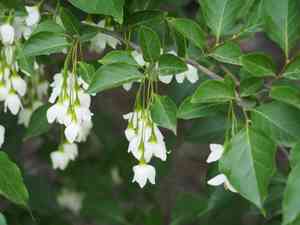
Native to East Asia, this decorative tree captivates with its flowing fragrant white flowers and a spherical crown. For japanese Snowbell, trimming mainly serves to preserve its form and eliminate deceased or compromised branches. Essential methods involve reducing dense branches and shortening limbs to robust buds to stimulate new growth. Perform pruning on japanese Snowbell in late winter or early spring, prior to the emergence of new foliage. Being susceptible to extensive pruning, japanese Snowbell thrives with minimal cuts to uphold its inherent structure and foster flower development.
Advantages of Trimming Japanese Snowbell
Advantages of Trimming Japanese Snowbell
Trimming japanese Snowbell encourages robust new development and helps maintain its desired shape. Strategic cuts can revitalize japanese Snowbell, fostering a stronger structure and look.
Optimal Time for Trimming Japanese Snowbell
Optimal Time for Trimming Japanese Snowbell
Trimming japanese Snowbell in late winter or early spring is ideal as it coincides with the plant's dormant phase. Pruning during dormancy minimizes stress on japanese Snowbell and reduces the chance of sap loss, which can occur in actively growing or flowering plants. Furthermore, pruning before new growth begins in spring allows gardeners to effectively shape the plant and promote a healthy structure. It also ensures wounds heal quickly with the flush of new growth, lowering disease risk. Since japanese Snowbell flowers on old wood, post-winter pruning ensures that flower buds set on the previous year's growth are not removed, which would otherwise diminish the plant's blooming potential in the upcoming season.
Required Tools for Trimming Japanese Snowbell
Hand Pruners
Japanese Snowbell is a relatively small tree with delicate branching patterns, making hand pruners perfect for making clean cuts on branches up to 1/2-inch in diameter. Hand pruners offer the precision and control needed for this intricate work.
Loppers
For branches that are somewhat thicker, typically up to 1 1/2 inches in diameter, loppers are the preferred tool for japanese Snowbell. They feature long handles that provide leverage and allow access into the canopy without harming surrounding branches.
Pruning Saw
If japanese Snowbell has any branches exceeding 1 1/2 inches in diameter that require removal, a pruning saw is suitable. Pruning saws come in various sizes, so choose one appropriate for the branch size you need to cut.
Pole Pruner
For higher branches that are out of reach, a pole pruner can be utilized. Pole pruners often include both a saw and a lopper attachment, offering versatility when trimming japanese Snowbell at different heights.
How to Trim Japanese Snowbell
Clean Tools
Sanitize your pruning tools with rubbing alcohol or a household disinfectant to prevent the spread of disease during the trimming of japanese Snowbell.
Identify Branches
Carefully inspect japanese Snowbell to locate dead or diseased branches. Look for indicators such as discoloration, dry or brittle texture, and absence of leaves or flowers.
Cut Dead Branches
Using sharp pruning shears, remove dead branches by cutting just above the branch collar to encourage proper healing. Ensure cuts are clean and angled away from the branch collar.
Remove Diseased Branches
Trim diseased branches on japanese Snowbell by making cuts well below the affected areas to prevent disease spread. Dispose of diseased material properly and do not compost.
Cleanup
After trimming japanese Snowbell, clear all debris from the ground to reduce the risk of disease transmission and deter pests. Properly dispose of or shred healthy trimmed material for composting.
Common Trimming Errors with Japanese Snowbell
Excessive Pruning
Removing too much foliage or too many branches at once can stress japanese Snowbell and potentially lead to reduced flowering or vegetative growth.
Incorrect Cuts
Improper cutting techniques, such as tearing the bark or leaving stubs, can create wounds that make japanese Snowbell vulnerable to disease and pests.
Neglecting Tool Hygiene
Using dirty pruning tools can introduce pathogens to japanese Snowbell, risking infection and the spread of diseases.
Unnecessary Shaping
Excessive shaping or attempting to drastically alter the natural form of japanese Snowbell can result in an unnatural appearance and may compromise the plant's health.
Ignoring Deadwood
Failing to remove dead or damaged wood can hinder japanese Snowbell's overall growth and health, as these can harbor pests and diseases.
General Trimming Advice for Japanese Snowbell
Selective Thinning
Trim to thin out crowded branches, allowing light and air to better penetrate japanese Snowbell, resulting in a healthier plant and more abundant blooms.
Clean Cuts
Make clean, angled cuts above a growth node or bud to encourage proper healing and prevent water accumulation, which could lead to rot.
Proper Tool Selection
Use sharp, clean pruning tools appropriate for the size of the branches being cut to ensure precise, clean cuts on japanese Snowbell.
Focus On Dead Or Diseased Branches
Remove dead, diseased, or damaged branches promptly to maintain the health and appearance of japanese Snowbell, while facilitating better air circulation and light exposure.
Conservative Approach
Adopt a conservative approach by pruning no more than one-quarter of japanese Snowbell's total canopy in a single season to avoid stressing the plant.



