How to Prune Caribbean stylo?
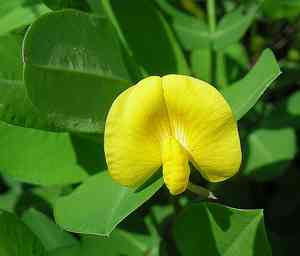
Stylosanthes hamata, a leguminous variety, is recognized for its hardiness and ability to withstand dry conditions. Perform trimming in late winter or early spring to stimulate vigorous development and bloom production. Begin by eliminating any lifeless or infected limbs, then sculpt the plant by reducing it to the preferred dimensions. Trimming contributes to the plant's well-being, boosts air movement, and elevates its visual attractiveness. Regular trimming can additionally avert excessive density and foster the emergence of new, strong stems.
What Are the Benefits of Pruning Caribbean Stylo?
What Are the Benefits of Pruning Caribbean Stylo?
Caribbean stylo thrives with trimming, which encourages strong development and helps maintain its form. Regular trimming promotes healthy leaves, supports abundant blooms, and lowers the chance of pests and illnesses. It also manages the plant's size, keeping it appealing and manageable.
What Is the Best Time for Pruning Caribbean Stylo?
What Is the Best Time for Pruning Caribbean Stylo?
Trimming caribbean stylo in early spring and late winter aligns with its natural growth cycle, ensuring minimal stress on the plant. Pruning during these seasons encourages healthy regrowth and prepares the plant for the upcoming growing period. Additionally, performing pruning before the active growth phase helps prevent obstruction of the flowering process and reduces the risk of disease or pest infestation. This timing also allows cuts from trimming to heal more efficiently, contributing to caribbean stylo's overall health and vitality.
What Tools Do I Need to Prune Caribbean Stylo?
Bypass Pruners
Perfect for precise cuts on stems and branches up to 1/2 inch in diameter, ensuring clean cuts to promote healthy regrowth.
Pruning Shears
Excellent for detailed trimming and shaping of the foliage, allowing for improved airflow and sunlight penetration.
Hedge Shears
Useful for quickly trimming larger areas, maintaining an even growth pattern and preventing legginess.
Lopping Shears
Essential for cutting thicker or older branches that are beyond the capacity of pruners, ensuring the plant maintains a manageable size.
How to Prune Caribbean Stylo
Inspection
Carefully examine caribbean stylo for any diseased or shriveled leaves. Look for discoloration, spots, or any irregularities.
Preparation
Sanitize your pruning shears with rubbing alcohol or a bleach solution to prevent the spread of disease.
Cut Diseased Leaves
Trim away any diseased leaves, cutting back to healthy tissue. Make clean cuts to avoid damaging the plant further.
Cut Withered Leaves
Remove shriveled leaves by cutting them off at their base, ensuring not to harm the stems or nearby healthy foliage.
Disposal
Properly dispose of the trimmed diseased and shriveled leaves. Do not compost them, as they can spread disease.
Common Pruning Mistakes with Caribbean Stylo
Over-pruning
Removing too much of the plant at once can stress caribbean stylo, making it susceptible to diseases and pests.
Incorrect Cutting Technique
Using dull or dirty tools can damage the plant tissues and introduce infections.
Pruning at the Wrong Nodes
Cutting at improper points can hinder new growth and flowering.
Ignoring Dead/Diseased Parts
Failing to remove dead or diseased parts can spread problems to healthy sections of caribbean stylo.
Common Pruning Tips for Caribbean Stylo
Use Clean, Sharp Tools
Ensures clean cuts and minimizes the risk of plant disease.
Prune Above a Node
Make cuts just above a node to encourage new growth.
Remove Dead/Diseased Parts
Always start by removing any dead, damaged, or diseased parts to maintain plant health.
Moderate Pruning
Remove no more than one-third of the plant's foliage at a time to prevent undue stress.



