How to Prune Celandine poppy?
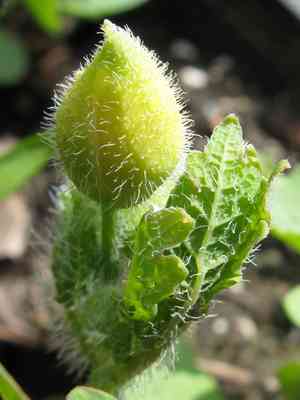
A woodland perennial, recognized for its vibrant yellow blossoms and divided leaves, celandine poppy flourishes in shaded garden environments. Trimming should primarily involve removing faded flowers to promote additional blooming and eliminate any impaired or ailing foliage when necessary. The optimal time for this maintenance is from early spring to late summer, aligning with its periods of vigorous development. Pruning celandine poppy not only fosters fresh growth and more flowers but also contributes to a neat plant aesthetic and can deter self-propagation if preferred.
What Are the Benefits of Pruning Celandine Poppy?
What Are the Benefits of Pruning Celandine Poppy?
Trimming celandine poppy promotes robust development and maintains its desired form. It aids in the plant's resource renewal, resulting in a more balanced structure and improved vitality.
What Is the Best Time for Pruning Celandine Poppy?
What Is the Best Time for Pruning Celandine Poppy?
Early spring is optimal for pruning celandine poppy as the plant remains dormant, reducing stress from the process. This period also allows for the removal of winter damage, and shaping won't disrupt its natural flowering cycle. Late summer is another suitable time to prune celandine poppy, enabling the removal of faded flowers and leggy growth, which enhances health and vigor for the subsequent season without hindering current year's seed development.
What Tools Do I Need to Prune Celandine Poppy?
Hand Pruners
Perfect for making precise cuts on celandine poppy's delicate stems, minimizing plant harm.
Pruning Snips
Ideal for detailed work when thinning celandine poppy's dense foliage, allowing precise cuts without affecting nearby plants.
Gardening Shears
Useful for shaping celandine poppy and managing its growth habit, fostering a healthy, attractive appearance.
How to Prune Celandine Poppy
Step1: Deadheading Spent Blooms
Locate the old flowers on celandine poppy that have finished blooming. These are typically faded, shriveled, and found at the stem ends. Removing these spent blooms, known as deadheading, encourages more flowering and prevents the plant from expending energy on seed production.
Step2: Cutting Back Old Flower Stems
Using clean, sharp pruning shears, cut the old flower stems of celandine poppy back to their base, or to a leaf set, ensuring cuts are made at a 45-degree angle to prevent water accumulation, which could lead to disease. Aim to cut just above the first healthy leaves below the spent flowers.
Step3: Identifying Yellow Leaves
Look for yellow leaves, which might signal age, stress, or illness in celandine poppy. Yellow leaves typically don't contribute to the plant's growth and can be unsightly.
Step4: Removing Yellow Leaves
Gently pull off yellow leaves from celandine poppy by hand if they detach easily, indicating they are ready to be shed. If not, use pruning shears to snip them off where the leaf stem (petiole) connects to the main stem or branch.
Step5: Checking for Disease
Inspect celandine poppy for any disease signs, including discolored spots, mildew, or rot. Pruning these diseased parts can stop the disease from spreading further.
Step6: Isolating Diseased Foliage
Isolate the diseased parts of celandine poppy that need removal. Be careful not to touch other plant parts with the diseased foliage to avoid pathogen spread.
Step7: Pruning Diseased Parts
Carefully cut out the diseased parts of celandine poppy, disposing of them immediately—preferably in a sealed bag—to prevent disease spread to other plants. Do not compost diseased material. Sanitize your pruning shears with alcohol or diluted bleach solution after trimming diseased parts to prevent cross-contamination.
Step8: Shaping the Plant
Once all trimming of old flowers, yellow leaves, and diseased parts is complete on celandine poppy, evaluate the plant's overall shape. Light shaping can be done by selectively pruning overly long or unruly stems to maintain celandine poppy's natural form and size.
Step9: Watering After Pruning
After pruning celandine poppy, water the plant if the soil is dry to help reduce plant stress and promote healthy regrowth. Be sure to water at the base, avoiding wetting the foliage, which can encourage disease.
Step10: Cleanup and Tool Maintenance
Clear away all trimmings from around celandine poppy to keep the garden bed tidy and eliminate potential hiding spots for pests and diseases. Ensure all tools are cleaned and stored properly after the pruning session.
Post-Pruning Care for Celandine Poppy
Post-Pruning Care for Celandine Poppy
Immediately after pruning celandine poppy, clean cuts with a sterile solution to prevent infection. Maintain moderate soil moisture—neither waterlogged nor dry. Place celandine poppy in filtered sunlight to reduce stress while ensuring good air circulation. Adjust ambient temperature to 60-70°F. Apply a balanced, diluted liquid fertilizer to aid regeneration. Regularly check celandine poppy for wilting or discoloration, indicating stress or disease. If symptoms appear, isolate celandine poppy and consult an expert for appropriate treatment.
Common Pruning Mistakes with Celandine Poppy
Avoid Overpruning to Prevent Plant Stress and Disease
Excessive pruning, which risks harming the plant by removing too much foliage and can lead to stress or illness.
Do Not Cut Into the Woody Base to Ensure Healthy Regrowth
Cutting into the woody base of celandine poppy, potentially injuring the plant and hindering healthy regrowth.
Prune According to Plant's Natural Shape for Aesthetic Appearance
Trimming indiscriminately, without considering celandine poppy's natural shape and growth habit, resulting in a less appealing appearance.
Use Clean, Sharp Tools to Prevent Ragged Cuts and Infections
Failing to use clean, sharp tools, which can cause jagged cuts and make celandine poppy more vulnerable to infections.
Allow Seed Pods to Mature for Natural Reseeding
Cutting back seed pods before they mature, preventing natural reseeding in the garden.
Common Pruning Tips for Celandine Poppy
Deadhead Spent Blooms to Boost Second Flowering
After blooming, remove faded flowers from celandine poppy to encourage a second flush of blooms and neaten the plant's look.
Remove Damaged Leaves During Growth Season for Plant Health
During the active growing period, remove any damaged or diseased leaves to maintain celandine poppy's health and vigor.
Prune to Outer Buds for Outward Growth and Airflow
Cut stems back to a leaf or bud facing away from the plant's center to promote outward growth and better air circulation.
Let Seed Pods Develop for Plant Self-Regeneration
Allow celandine poppy to form seed pods after flowering as they self-sow, ensuring regeneration for the next season.
Sanitize Shears for Clean Cuts and Disease Prevention
Use disinfected pruning shears to make clean cuts, preventing the spread of pests and diseases when trimming celandine poppy.
Thin Out Overcrowded Plants to Improve Health
If overcrowded, periodically thin celandine poppy by selectively removing some stems at the base to improve plant health.
Moderate Pruning for Natural Look and Sufficient Foliage
Prune celandine poppy sparingly, focusing on maintaining a natural-looking clump while leaving enough foliage for photosynthesis and energy storage.



