How to Prune Bird of paradise?
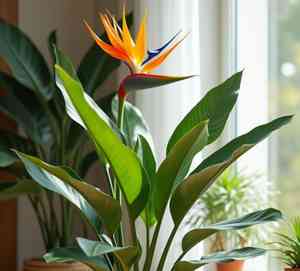
Featuring its vibrant, bluish-green leaves and distinctive avian-like blossoms, the bird of paradise plant enhances any landscape. Essential trimming methods focus on eliminating withered or compromised foliage and faded flower stems to stimulate fresh development and blooming. This plant can be pruned at any point, as it withstands year-round trimming. Notable advantages encompass preserving a neat look and averting ailments by enhancing air movement. Always employ sanitized, keen implements for accurate incisions.
What Are the Benefits of Pruning Bird Of Paradise?
What Are the Benefits of Pruning Bird Of Paradise?
Trimming bird of paradise promotes vibrant blooms, stimulates growth, and maintains a tidy appearance, crucial for this striking ornamental plant.
What Is the Best Time for Pruning Bird Of Paradise?
What Is the Best Time for Pruning Bird Of Paradise?
Late winter or early spring is the optimal period for trimming bird of paradise, as the plant is typically dormant, which reduces stress and encourages robust growth in the subsequent season. This timing also precedes the main flowering period, thus not hindering flower production. Summer pruning can be performed to remove faded flowers and any damaged or diseased foliage, helping to preserve the plant's health and look while being careful not to remove newly forming buds.
What Tools Do I Need to Prune Bird Of Paradise?
Sharp Bypass Pruners
Handheld bypass pruners are ideal for making precise cuts on bird of paradise's smaller stems and spent flower stalks without crushing plant tissue, aiding in better healing.
Long-handled Loppers
These are recommended for reaching deeper into bird of paradise's foliage or managing slightly thicker stems that bypass pruners cannot handle, offering leverage and accuracy.
Pruning Saw
For any mature or woody stems that loppers cannot cut, a pruning saw is perfect for bird of paradise as it allows for cutting larger branches with greater control and less harm to the plant.
Gardening Gloves
Wearing gloves is important to shield hands from bird of paradise's sharp edges and to ensure a safer trimming process.
Cleaning Solution
To prevent disease transmission, it is advisable to sanitize all tools before and after use on bird of paradise with a solution such as diluted bleach or rubbing alcohol.
How to Prune Bird Of Paradise
Step1: Tool preparation and disinfection
Prepare the necessary implements for trimming bird of paradise. Utilize sharp, clean pruning shears or scissors. Disinfect the blades with rubbing alcohol or a household sanitizer to prevent the spread of illness.
Step2: Identification of spent blooms
Identify old flowers on bird of paradise. Old flowers are those that have faded and no longer display vivid colors. These spent blooms typically appear brown and withered.
Step3: Removal of old flowers
Cut the old flowers from bird of paradise. Make the cut at the base of the flower stalk, taking care not to harm new growths or flower stalks that are just emerging.
Step4: Detection of dead leaves
Search for dead leaves on bird of paradise. Dead leaves are often discolored, brown, or completely dried up and can usually be found at the lower part of the plant.
Step5: Trimming of dead leaves
Trim away dead leaves from bird of paradise. Make a clean cut at the base of the dead leaf where it meets the stem or remove it by gently pulling it downward if it detaches easily.
Step6: Locating dead stems
Locate dead stems on bird of paradise. Dead stems are those that are dry, brittle, and no longer supporting any healthy foliage or flowers.
Step7: Pruning of dead stems
Prune the dead stems from bird of paradise. Cut these stems as close to the base as possible, making sure not to damage any adjacent healthy stems or roots.
Step8: Cleanup of plant debris
After all trimming is complete, clean up any debris from around bird of paradise. This will help prevent disease and pests.
Step9: Post-pruning watering
Water bird of paradise adequately after pruning to help the plant recover and encourage new growth. Do not overwater, as bird of paradise is prone to root rot if left in soggy soil.
Step10: Monitoring plant recovery
Monitor bird of paradise for a few weeks to ensure it is responding well to the pruning. Look for new growth as a positive indicator of the plant's health.
Post-Pruning Care for Bird Of Paradise
Post-Pruning Care for Bird Of Paradise
Immediately after trimming bird of paradise, ensure it is placed in bright, indirect light to promote healing. Maintain a consistent temperature of 65-70°F and high humidity. Begin a fertilization regime 4-6 weeks post-pruning with a balanced, slow-release fertilizer to support new growth. Regularly inspect the pruning sites for signs of distress such as discoloration or rot. Should any symptoms of stress or infection arise, isolate bird of paradise and consult a professional for appropriate treatment options.
Common Pruning Mistakes with Bird Of Paradise
Excessive Pruning Shock
Trimming too severely can shock bird of paradise and impede its growth; it's crucial to avoid removing more than one-third of the foliage at any given time.
Harming Growth Point
Cutting into or damaging the growth point, where new leaves and flowers emerge, can negatively impact the plant's health and future blooming.
Over-Pruning Vulnerability
Removing too many of the old, discolored, or damaged leaves and stems at once rather than progressively throughout the year can leave bird of paradise vulnerable.
Common Pruning Tips for Bird Of Paradise
Clean, Sharp Tool Usage
Use clean, sharp tools to make precise cuts when removing spent flower stalks and damaged leaves, which helps prevent harm to bird of paradise and minimizes stress on the plant.
Selective Removal Focus
When trimming bird of paradise, ensure to focus on removing only the parts that are necessary â this includes the dead or dying flowers, old leaves, and damaged stems.
Proper Waste Disposal
After removing the damaged parts, dispose of the waste appropriately to prevent pests and diseases from affecting bird of paradise.
Angled Cuts for Water Runoff
Make the cuts at an angle to discourage water from pooling on the open areas which could cause rot in bird of paradise.
Regular Pest and Disease Checks
Regularly check bird of paradise for signs of pests and diseases when pruning to immediately handle any issues and keep the plant healthy.



