How to Prune Golden oats?
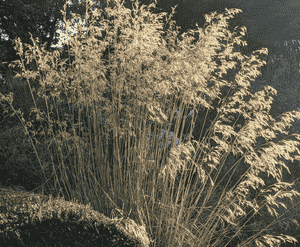
Distinguished by its lofty, delicate panicles and elegantly curving leaves, golden oats is an undemanding perennial grass. Trimming ought to be performed in early spring or during winter prior to the emergence of new shoots. Reduce the entire cluster to soil level, eliminating aged foliage to allow for new development. This trimming process invigorates the plant, preserves its neat look, and amplifies its distinctive golden flower heads that shimmer in the sunlight.
What Are the Benefits of Pruning Golden Oats?
What Are the Benefits of Pruning Golden Oats?
Trimming golden oats encourages robust development and helps preserve its distinctive form. By eliminating old or lifeless leaves, golden oats is prompted to generate abundant new growth and sustain its graceful, airy structure.
What Is the Best Time for Pruning Golden Oats?
What Is the Best Time for Pruning Golden Oats?
The optimal periods for trimming or cutting back golden oats are early spring and winter. Pruning in early spring coincides with the end of golden oats's dormant phase and before new growth begins. This timing allows gardeners to shape the plant and remove any dead or damaged foliage without hindering the upcoming growing season. Winter pruning is also advantageous for golden oats after its annual growth cycle concludes and it enters dormancy; this supports healthier regrowth and minimizes disease risk. These chosen seasons ensure that ornamental features, such as the unique summer flowering period, are not negatively impacted. Considering the plant's growth cycle, pruning at these times fosters vigorous growth and helps maintain the aesthetic appeal of golden oats's golden inflorescences.
What Tools Do I Need to Prune Golden Oats?
Hand Pruners
These are perfect for trimming golden oats's foliage, as their blades effortlessly cut through the grass's slender stalks. Bypass pruners are generally recommended for their clean cutting action.
Grass Shears
Sharp grass shears are useful for precise shaping, especially when cutting back old foliage in spring. They allow for easy maneuvering around golden oats's base without harming new shoots.
Gardening Gloves
Though not a cutting tool, gloves are crucial for protecting hands from the rough edges of golden oats's foliage during the pruning process.
Long-Handled Loppers
For more mature clumps of golden oats that have developed thicker, tougher stems, long-handled loppers can provide the necessary leverage for a clean cut without straining the gardener's back.
How to Prune Golden Oats
Clean tools
Ensure your pruning implements are clean and sharp to prevent disease transmission and achieve precise cuts.
Remove diseased
Carefully eliminate any diseased leaves from golden oats to prevent infection spread. Use precision to avoid harming healthy tissue.
Trim withered leaves
Cut back withered or dead leaves at their base, where they meet the stem or basal clump, to encourage healthy growth and improve air circulation.
Dispose
Discard all removed material far from healthy golden oats plants to minimize the risk of disease transmission.
Assess plant
After trimming, evaluate golden oats for overall health and remove any additional debris from the plant's vicinity to maintain a neat appearance.
Common Pruning Mistakes with Golden Oats
Overpruning
Removing too much foliage, which can stress golden oats and reduce blooming.
Improper cut locations
Making cuts in the wrong spot, which can lead to damage and allow disease to enter.
Shearing
Using hedge trimmers or shears, which can create a 'chopped' look and is not suitable for golden oats's natural growth habit.
Pruning too early
Cutting back golden oats before it has finished flowering, thereby removing the potential for seed formation and self-sowing.
Ignoring dead or diseased stems
Failing to remove dead or diseased material, which can affect the overall health of golden oats.
Cutting back too severely
Pruning golden oats down to the ground or to a very short size, which can harm the plant's vitality.
Common Pruning Tips for Golden Oats
Correct cutting tools
Use sharp, clean secateurs for precise cuts, ensuring healthy regrowth.
Maintenance pruning
Remove dead and fading flower stems to promote new growth and to maintain a tidy appearance.
Focus on older stems
Target older stems for pruning, which encourages new growth and helps rejuvenate golden oats.
Natural shape
Prune golden oats in a way that maintains its natural, arching shape, enhancing the plant's aesthetic.
Disinfect tools
Clean pruning tools before and after use to prevent the spread of disease among plants.
Conservative approach
Adopt a conservative approach to pruning golden oats, retaining most of the plant's structure for optimum growth.



