How to Prune Buffalo grass?
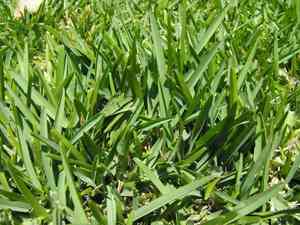
This perennial grass, which flourishes in warmer periods and is recognized for its resilience to heat and arid conditions, prospers in sun-drenched areas. For buffalo grass, maintain a mowing height of 2-3 inches to foster a thick lawn and avoid damaging the turf. Conduct regular trimming throughout its active growth phase, from the beginning of spring until late autumn. Advantages encompass diminished thatch accumulation, heightened turf robustness, and increased immunity to infestations and ailments. Utilizing keen cutting implements is crucial to avert ripping, which can induce plant stress and facilitate pathogen infiltration.
What Are the Benefits of Pruning Buffalo Grass?
What Are the Benefits of Pruning Buffalo Grass?
Trimming buffalo grass promotes robust development and helps maintain its form, resulting in a thick, vibrant lawn. Consistent cutting prevents thatch accumulation, boosting its resistance to foot traffic and ailments.
What Is the Best Time for Pruning Buffalo Grass?
What Is the Best Time for Pruning Buffalo Grass?
These periods are ideal for trimming buffalo grass due to its active growth phase, allowing it to quickly recover from pruning stress. Pruning in early spring encourages healthier, denser growth as the plant emerges from winter dormancy. By trimming before extreme heat or cold, gardeners ensure buffalo grass can withstand these stressors. Additionally, regular trimming in these seasons helps maintain an even turf and prevents overgrowth that can lead to thatch buildup and reduced lawn health. Pruning outside these recommended seasons could impair growth or expose buffalo grass to environmental stresses, leading to poor health or dieback.
What Tools Do I Need to Prune Buffalo Grass?
Manual Grass Shears
For precise trimming around borders and edges inaccessible to mowers, manual grass shears are suitable for buffalo grass. They enable careful snipping to maintain lawn neatness.
Lawn Mower with Sharp Blades
The most crucial tool for buffalo grass is a lawn mower fitted with sharp blades. This guarantees a clean cut that fosters healthy growth and wards off disease.
String Trimmer
For managing overgrown sections and tidying along walls and fences, a string trimmer is useful for buffalo grass. It offers control and precision for trimming the lawn's periphery.
Bladed Edger
To create crisp lawn edges next to pathways or driveways, a bladed edger is recommended for buffalo grass to give the lawn a professional finish.
Powered Lawn Aerator
If buffalo grass is compacted or has significant thatch, a motorized aerator can help open the soil, allowing air, nutrients, and water to penetrate, promoting a healthier lawn.
Thatch Rake
For removing thatch buildup, which can hinder water and nutrient absorption, a thatch rake is valuable for grooming buffalo grass, especially in spring or fall.
How to Prune Buffalo Grass
Step1: Plant Inspection
Evaluate the state of buffalo grass: Before any trimming, thoroughly inspect buffalo grass to pinpoint overgrown areas and dead stolons needing attention. Look for sections where the grass has grown unevenly, and runners that are brown, brittle, or show no green growth.
Step2: Timing for Pruning
Select the correct time: The optimal period to prune buffalo grass is in late spring or early summer when the grass is actively growing. This allows buffalo grass to quickly recover from any stress caused by trimming.
Step3: Proper Mowing Height
Mow appropriately: Set your mower blade to the correct height, typically between 1.5 and 2 inches for buffalo grass. Mowing buffalo grass too short can stress the grass and make it more vulnerable to diseases.
Step4: Cutting Back Overgrowth
Trim overgrown patches: For areas where buffalo grass is particularly dense, use a lawn mower or string trimmer to gradually cut back the grass. Do not remove more than one-third of the leaf blades in a single mowing to avoid shocking the plant.
Step5: Dead Stolon Removal
Eliminate dead stolons: Identify dead stolons by their lack of green color and flexibility. Using gardening shears or a sharp knife, carefully cut these stolons away from the healthy part of buffalo grass, taking care not to harm nearby living tissue.
Step6: Lawn Shaping
Form the lawn: If needed, use edging tools to define the borders of buffalo grass and give the lawn a neat, manicured appearance. This helps prevent buffalo grass from spreading into unwanted areas.
Step7: Post-Pruning Cleanup
Tidy up: After trimming, rake up and remove clippings from the lawn. This will help prevent disease spread and keep the lawn looking neat.
Step8: Adequate Watering
Water sufficiently: After trimming, ensure buffalo grass receives ample water to aid recovery and stimulate new growth. Buffalo grass typically needs about 1 inch of water per week, from either rain or irrigation.
Step9: Growth Monitoring
Observe growth: Keep an eye on buffalo grass after trimming to watch for any signs of stress or disease. Regular monitoring will help you detect issues early and take prompt corrective action.
Post-Pruning Care for Buffalo Grass
Post-Pruning Care for Buffalo Grass
Immediately after trimming buffalo grass, water thoroughly to lessen stress. Ensure buffalo grass gets filtered sunlight, and maintain moderate humidity and temperatures to aid recovery. Within a week, apply a balanced fertilizer to encourage healthy regrowth. Monitor buffalo grass for wilting or discoloration, indicating stress or infection. If symptoms appear, adjust watering and check for pests, treating as needed. Regular inspection of buffalo grass's condition is vital for its resilience and vigor post-trimming.
Common Pruning Mistakes with Buffalo Grass
Avoid Excessive Pruning of Plants
Over-trimming buffalo grass, which can stress the plant and hinder its ability to recover and regrow effectively.
Use Sharp and Sterilized Pruning Tools
Using dull or uncleaned cutting implements when trimming buffalo grass, which can cause ragged cuts and increase vulnerability to disease.
Understand Plant Growth Patterns Before Pruning
Trimming buffalo grass without comprehending its growth pattern, which might lead to cutting the wrong parts of the plant and impeding its natural form and health.
Common Pruning Tips for Buffalo Grass
Ensure Clean Cuts with Sharp, Clean Shears
Always use sharp, clean shears or mowers when trimming buffalo grass to ensure precise cuts that heal quickly, minimizing stress and disease risk.
Remove Dead or Damaged Plant Blades Promptly
Focus on removing dead or damaged blades of buffalo grass as they appear, using careful snips to maintain the plant's health and appearance.
Thin Dense Areas to Boost Airflow and Health
Thin out thick patches of buffalo grass to improve air circulation, which helps prevent fungal diseases and promotes uniform growth and development.



