How to Prune Stauntonia latifolia?
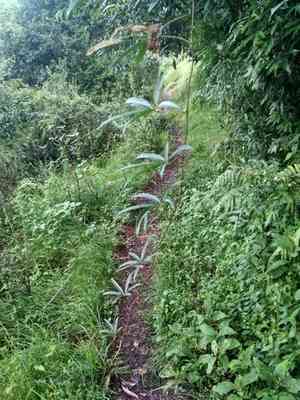
Stauntonia latifolia is primarily recognized for its abundant leaves and vining habit. Essential trimming methods involve excising deceased or injured limbs to enhance air movement and sculpt the plant. Perform pruning in late winter or early spring while the plant is inactive, which encourages robust development. Routine trimming deters excessive growth, fosters blooming, and sustains a manageable dimension. Diligent upkeep leads to a more vibrant, appealing specimen. Consulting reputable gardening manuals confirms these strategies maximize plant well-being.
What Are the Advantages of Trimming Stauntonia Latifolia?
What Are the Advantages of Trimming Stauntonia Latifolia?
Stauntonia latifolia benefits from trimming by encouraging robust development and maintaining an appealing form. It aids in size management, enhances overall look, and deters pest and disease outbreaks, ensuring the plant stays healthy and visually pleasing.
What Is the Optimal Period for Trimming Stauntonia Latifolia?
What Is the Optimal Period for Trimming Stauntonia Latifolia?
Trimming stauntonia latifolia during early spring or late winter is ideal as this timeframe aligns with the plant's dormant stage. Pruning during dormancy minimizes stress and lowers the risk of disease and pest infestations. As stauntonia latifolia prepares for its growth season, trimming just before this period ensures strong development, as the plant can quickly recover and reallocate its energy to new growth. Furthermore, this timing avoids disrupting the flowering and fruiting cycles, fostering a healthier, more productive plant.
What Equipment Do I Need to Trim Stauntonia Latifolia?
Pruning shears
Perfect for removing smaller branches and shoots, allowing precise cuts without harming the plant.
Loppers
Useful for cutting thicker branches that might be too large for pruning shears, ensuring clean cuts that encourage healthy regrowth.
Pruning saw
Essential for cutting through very thick, woody stems and branches, enabling proper shaping and size control of the plant.
Hedge shears
Helpful for trimming and shaping larger sections, maintaining an overall manageable size and form.
How to Trim Stauntonia Latifolia
Inspection
Start by examining stauntonia latifolia for any indications of illness or wilting. Pay close attention to leaves showing discoloration, spots, or areas that appear unhealthy.
Preparation
Prepare your pruning tools by sanitizing them to prevent the spread of any disease. Use sharp, clean shears suitable for accurate cuts.
Trim Diseased Leaves
Carefully cut off diseased leaves just below the affected area. Make clean cuts to ensure the disease does not spread further into healthy parts of the plant.
Remove Withered Leaves
Trim withered leaves by cutting them off at their base. Ensure you discard all removed material to prevent any potential spread of pests or disease.
Final Check
After trimming, perform a final inspection of stauntonia latifolia to confirm all diseased and withered leaves have been removed. Monitor the plant regularly for any new signs of distress.
Common Trimming Errors with Stauntonia Latifolia
Incorrect Technique
Using dull or unsuitable tools, making jagged cuts, and not sanitizing tools can result in damaged stems and infection.
Excessive Trimming
Removing too much foliage at once weakens the plant, deprives it of vital nutrients, and can hinder growth.
Improper Cut Placement
Making cuts too close to the main stem or too far from a node can impede proper healing and growth.
Common Trimming Advice for Stauntonia Latifolia
Utilize Sharp, Clean Tools
Always use sharp pruning shears or loppers and sanitize them before and after use to prevent the spread of disease.
Trim Gradually
Gradual trimming helps maintain the plant's health. Remove no more than 1/3 of the plant's growth at one time to avoid stressing it.
Focus on Dead or Damaged Wood
Always begin by removing any dead, diseased, or damaged wood, ensuring you cut back to healthy tissue to promote robust growth.



