How to Prune Big sacaton?
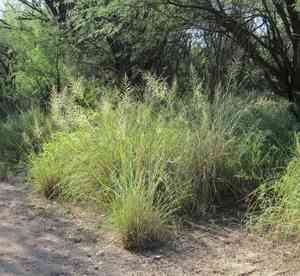
This towering, enduring grass serves as a sturdy decorative plant, recognized for its delicate seed plumes and versatility across various environments. For big sacaton, trimming ought to be performed in late winter or early spring to stimulate strong development and preserve an appealing form. Cut back any withered leaves to the soil level to revitalize its look and foster robust, fresh shoots. Consistent trimming improves airflow, reduces the likelihood of pests, and encourages thicker, more durable growth during the active season.
What Are the Benefits of Pruning Big Sacaton?
What Are the Benefits of Pruning Big Sacaton?
Trimming big sacaton promotes robust development and maintains its attractive shape. Regular cutting helps redirect energy to healthier sections, fostering denser, more resilient growth.
What Is the Best Time for Pruning Big Sacaton?
What Is the Best Time for Pruning Big Sacaton?
Pruning big sacaton in early spring, just as it starts to emerge from dormancy, allows for the removal of any frost-damaged or dead foliage and encourages new growth. This timing ensures the plant maintains its vigor and health throughout the growing season. Winter pruning is also beneficial as it involves cutting back the grass after it has gone dormant. This helps to tidy the plant, prevents it from becoming too dense, and prepares it for robust spring growth. Both seasons avoid interrupting big sacaton's active growth phases which occur during late spring to summer, thus preserving its health and aesthetic form.
What Tools Do I Need to Prune Big Sacaton?
Hand Pruners
Crucial for precise cuts on thinner, more manageable stems of big sacaton, enabling selective thinning without harming the plant's structure.
Lopping Shears
Perfect for addressing thicker branches that hand pruners cannot manage, ensuring clean cuts on big sacaton's more robust stems.
Pruning Saw
Useful for cutting through the thickest parts of big sacaton, especially for mature plants where large sections might need removal for plant health or shaping.
Grass Shears
Ideal for trimming and shaping big sacaton, helping maintain an even and tidy appearance by cutting closer to the ground without harming the surrounding landscape.
How to Prune Big Sacaton
Identify
Identify and assess the health of big sacaton's leaves. Carefully inspect for any diseased or withered leaves, which typically display discoloration, spots, or dry, crumbly textures.
Prepare tools
Prepare the necessary pruning tools. Use sharp, clean pruning shears to make clean cuts. Sterilize the blades with isopropyl alcohol or a similar disinfectant to prevent the spread of any pathogens.
Remove diseased leaves
Remove diseased leaves from big sacaton. Carefully snip these leaves at their base, close to the stem. Ensure not to tear or damage the stem or neighboring healthy leaves.
Remove withered leaves
Remove withered leaves, following the same procedure as for diseased leaves. Withered leaves are usually dry and lack vitality, adding no aesthetic or health value to big sacaton.
Cleanup
After pruning, clean the area around big sacaton to remove all fallen debris. This helps prevent any potential diseases from spreading and promotes a healthier growing environment.
Common Pruning Mistakes with Big Sacaton
Over-pruning
Removing too much foliage from big sacaton at once can significantly stress the plant, potentially leading to poor growth and sparse appearance. Ensure not to cut more than one-third of the plant's total mass in a single pruning session.
Improper cuts
Making cuts too close to the main stem of big sacaton or leaving too large a stub can hinder proper healing and promote disease entry. Cuts should be clean and made at a slight angle just above a node or a branching point.
Using dull tools
Using dull or unclean pruning tools can cause ragged cuts, damaging big sacaton's delicate tissues and increasing susceptibility to pests and diseases. Always use sharp, clean tools for pruning.
Common Pruning Tips for Big Sacaton
Timing intervals
To maintain the health and aesthetic appeal of big sacaton, regular light pruning is recommended rather than drastic, infrequent cuts. This approach helps stimulate growth and maintain the desired shape of the plant.
Encouraging fuller growth
Prune big sacaton by thinning out older, central stems which can encourage light penetration and air circulation throughout the plant. This method promotes a denser and more vibrant growth pattern.
Aftercare
After pruning big sacaton, provide adequate water and, if necessary, a balanced fertilizer to support recovery and new growth. Ensuring the soil is moist (not waterlogged) will help big sacaton recover and thrive post-pruning.



