How to Prune Frost grass?
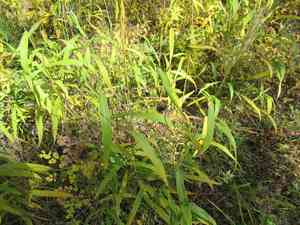
This lofty, decorative grass, featuring plume-like, bloom-producing stems, flourishes with proper timing of its trimming. For frost grass, reducing it to ground level in the initial part of spring stimulates new development, preserving its clustered structure. Winter trimming is similarly advantageous, facilitating tidiness and revitalization. Pruning not only sculpts frost grass but also fosters more robust and thicker foliage, intensifying the grass's vivid shift in autumn hues. Employ sharp cutting tools to guarantee precise incisions, safeguarding the vigor of frost grass.
Advantages of Trimming Frost Grass
Advantages of Trimming Frost Grass
Trimming frost grass promotes robust development and helps maintain its desired form. Regular cutting can stimulate new shoots, improve the grass's texture, and prevent a disheveled look.
Optimal Time for Trimming Frost Grass
Optimal Time for Trimming Frost Grass
Trimming frost grass in early spring is advantageous as the plant is dormant, just before active growth begins. This timing allows fresh cuts to heal quickly as growth starts, reducing plant stress and disease risk. Additionally, removing dead or damaged foliage at this stage enables frost grass to direct energy into new, healthy growth as temperatures rise. Winter trimming is not advised for frost grass as it can expose cut areas to extreme cold, potentially leading to dieback and plant damage.
Tools Required for Trimming Frost Grass
Bypass Pruners
Ideal for making clean cuts through green, live stems without crushing plant tissues, crucial for frost grass health.
Grass Shears
Perfect for shaping and trimming frost grass blades, especially for fine or delicate leaves requiring precision.
Pruning Saw
Useful for removing larger, woody stems if frost grass has matured and thickened, helping manage size and shape with minimal plant stress.
Gardening Gloves
Protection is vital to prevent irritation from frost grass edges or to guard against cuts when handling sharp tools.
How to Trim Frost Grass
Sanitizing tools
Before trimming frost grass, disinfect pruning tools to prevent disease spread. Use a bleach or alcohol solution to thoroughly clean blades.
Identifying diseased foliage
Inspect frost grass for diseased leaves, indicated by unusual spots, discoloration, or damage. Focus on these areas to prevent infection spread.
Trimming diseased foliage
Carefully cut off diseased leaves at their base where they meet the stem. Ensure clean cuts to avoid further stress to frost grass.
Identifying withered foliage
Look for withered leaves on frost grass, which typically appear dry, brown, or discolored, indicating they are no longer viable.
Trimming withered foliage
Remove withered leaves by cutting them at the base as close to the main stem or ground level as possible, without harming new growth or green foliage on frost grass.
Common Trimming Errors with Frost Grass
Excessive trimming
Cutting back frost grass too severely can stress the plant, reducing its vigor and flowering potential. Maintaining the plant's natural shape is crucial.
Incorrect cut placement
Making cuts too close or too far from the bud or branch can lead to poor growth or damage. Cuts should be at a 45-degree angle just above outward-facing buds.
Using dull implements
Dull pruning shears can harm frost grass by creating jagged cuts prone to disease. Always use sharp, clean tools for precise cuts.
Ignoring unhealthy material
Failing to remove diseased, dead, or damaged plant material during trimming can attract pests and disease. Removing these parts is essential for plant health.
Neglecting tool hygiene
Not sanitizing tools between cuts and plants can spread disease. Clean pruning shears regularly, especially when moving between different plants.
Trimming without a strategy
Random or excessive trimming without understanding frost grass's growth pattern can result in an unattractive appearance and hinder its development.
General Trimming Advice for Frost Grass
Prioritize health
Focus on removing dead, damaged, or diseased stems to promote frost grass health. This encourages new growth and improves air circulation.
Encourage form
Trim to maintain frost grass's natural, clumping shape. Avoid excessive thinning, which can weaken the plant's structural integrity.
Cut to bud
When shortening branches, cut just above an outward-facing bud. This directs new growth outward and ensures a pleasing plant shape.
Gradual revitalization
If rejuvenation is needed, trim gradually over several seasons rather than all at once. This approach is less shocking to frost grass and maintains its aesthetic.
Promote air circulation
Thin out dense areas sparingly to enhance light penetration and airflow within the clump, crucial for preventing disease in frost grass.
Post-flowering care
After frost grass finishes blooming, trim away spent flower stalks to encourage a tidy appearance and potentially promote a second flush of blooms.



