How to Prune Chinese spiranthes?
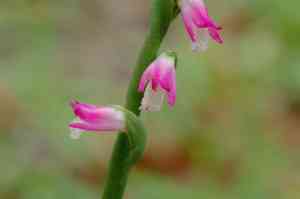
Recognized for its helical, orchid-like blossoms and grass-like leaves, chinese spiranthes flourishes with infrequent trimming. Essential methods involve eliminating faded flower stems and any withered or compromised foliage. The most suitable period for pruning is following the blooming phase in spring, summer, or autumn to foster development and preserve its aesthetic. Particularly, severing flower stalks after they have bloomed can incite a subsequent flowering. Advantages encompass a neat plant structure and the encouragement of robust, energetic growth for the subsequent period.
Advantages of Trimming Chinese Spiranthes
Advantages of Trimming Chinese Spiranthes
Trimming chinese spiranthes promotes more abundant flowering, supports robust development, and helps maintain a compact, appealing shape, improving both vitality and appearance.
Optimal Time for Pruning Chinese Spiranthes
Optimal Time for Pruning Chinese Spiranthes
Pruning or trimming chinese spiranthes in Spring is advantageous as it coincides with the start of its active growth period. This allows the plant to recover quickly from cuts and redirect energy towards new growth and development. Furthermore, removing dead or damaged parts before vigorous growth begins ensures efficient use of the plant's resources. Autumn is another suitable season for pruning chinese spiranthes, as it prepares the plant for winter dormancy by removing old growth susceptible to cold damage. However, it's crucial to prune sufficiently before the first frost to prevent new growth that might not harden off before winter. Summer is less ideal for pruning chinese spiranthes, as it is the flowering season, and pruning can potentially reduce its bloom potential and stress the plant during high temperatures.
Tools Required for Pruning Chinese Spiranthes
Sharp, Clean Shears
Accurate cuts are crucial for chinese spiranthes's delicate structure; therefore, using sharp, sanitized shears ensures healthy pruning without harming the plant.
Gardening Scissors
For more precise trimming of chinese spiranthes, especially for dead or yellowing leaves, complete with a comfortable grip for detailed tasks.
Small Pruning Snips
Perfect for thinning chinese spiranthes's denser areas, enabling careful removal of spent blooms and fostering better air circulation.
Precision Pruners
These are vital for reaching confined spaces without damaging the rest of chinese spiranthes's growth, allowing for meticulous upkeep.
How to Prune Chinese Spiranthes
Clean Equipment
Before pruning chinese spiranthes, sanitize all pruning tools with a solution of one part bleach to nine parts water to prevent disease spread.
Remove Diseased Leaves
Carefully cut away any diseased leaves from chinese spiranthes, using sharp, sterilized pruning shears, making cuts at the base of the affected leaves to remove them entirely.
Prune Withered Leaves
Identify and trim back withered leaves on chinese spiranthes, cutting them at the base to maintain a healthy appearance and stimulate new growth.
Trim Withered Flowers
Snip off the withered flowers of chinese spiranthes just below the flower head to encourage further blooming and prevent the plant from diverting energy into seed production.
Disposal
After pruning chinese spiranthes, promptly dispose of all removed material in a way that prevents the potential spread of any pathogens - do not compost diseased plant parts.
Common Pruning Errors with Chinese Spiranthes
Overpruning
Removing too much foliage or too many stems at once can stress chinese spiranthes and reduce its ability to photosynthesize effectively.
Improper Cut Location
Cutting too close to the main stem or too far from the buds can harm chinese spiranthes, potentially leading to disease entry and poor regrowth.
Using Dull Tools
Utilizing dull pruning shears can damage chinese spiranthes's tissue, leading to jagged cuts that are more susceptible to pests and diseases.
Neglecting Hygiene
Failing to disinfect tools before use on chinese spiranthes can spread diseases from plant to plant.
Removing Healthy Growth
Mistakenly cutting away healthy stems and leaves can limit chinese spiranthes's growth and reduce its vigor.
Ignoring Plant Structure
Lack of understanding of chinese spiranthes's growth habits may lead to pruning that does not promote the desired plant shape or health.
General Pruning Advice for Chinese Spiranthes
Sharp Clean Tools
Always use sharp, clean pruning shears to make clean cuts that will heal quickly, minimizing stress on chinese spiranthes.
Selective Pruning
Identify and remove only the dead, diseased, or overcrowded stems to improve air circulation and light penetration for chinese spiranthes.
Angle Cuts Correctly
Make cuts at a 45-degree angle, about 1/4 inch above a bud that is facing outward, to direct new growth away from chinese spiranthes's center.
Monitor Growth
Regularly observe chinese spiranthes's growth to determine the best stems to prune, helping to maintain the desired shape and size.
Post-Pruning Care
After pruning chinese spiranthes, provide adequate water and possibly a light fertilizer to support recovery and new growth.
Gradual Pruning
If significant pruning is necessary, do it gradually over a period to avoid shocking chinese spiranthes, allowing it to adjust and recover.



