How to Prune Bridal wreath spirea?
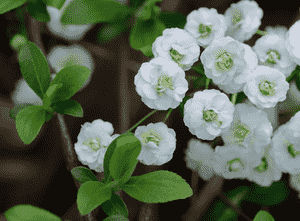
A popular decorative bush, recognized for its profusion of white spring flowers, bridal wreath spirea flourishes with appropriate trimming. Following flowering, reduce one-fourth of the mature stems to the soil line for revitalization. Alleviate congested sections to improve light and air circulation, thereby boosting plant strength and flowering capacity. The ideal period for pruning is in late spring or early summer, directly after blooming, to guarantee the formation of flower buds for the subsequent year. Consistent trimming preserves its form and well-being, averting excessive growth and fostering abundant blossoms.
What Are the Benefits of Pruning Bridal Wreath Spirea?
What Are the Benefits of Pruning Bridal Wreath Spirea?
Trimming bridal wreath spirea promotes more abundant flowering and robust, healthier development by eliminating dead or diseased wood. It also aids in preventing pest infestations and fungal issues by improving air circulation within the plant's canopy.
What Is the Best Time for Pruning Bridal Wreath Spirea?
What Is the Best Time for Pruning Bridal Wreath Spirea?
Pruning during this period is ideal as it allows gardeners to shape the plant without sacrificing the following year's blooms. Bridal wreath spirea flowers on old wood, meaning flower buds form on growth from the prior season. Pruning after the blooming period enables the plant to recover and produce new growth that will set buds for the subsequent year. This timing also ensures any winter damage is removed, fostering healthy new growth. It's also a good time to thin out crowded branches, which enhances air circulation and lowers disease risk. Furthermore, trimming in late spring or early summer gives the plant ample time to recuperate before winter dormancy.
What Tools Do I Need to Prune Bridal Wreath Spirea?
Hand Pruners
Perfect for cutting stems up to 1/2 inch in diameter, hand pruners are suitable for bridal wreath spirea's slender branches when shaping or removing deadwood.
Loppers
For thicker branches up to 1 1/2 inches in diameter, loppers are crucial for reaching into the shrub and making clean cuts without harming the plant's structure.
Pruning Saw
For mature bridal wreath spirea specimens with thicker, woodier branches exceeding 1 1/2 inches in diameter, a pruning saw is necessary for larger cuts and removing substantial growth.
Hedge Shears
For shaping bridal wreath spirea, especially when creating a hedge or formal outline, hedge shears can neatly trim and sculpt the foliage and smaller branches.
Gloves
Not specifically a pruning tool but vital for the gardener's protection when handling bridal wreath spirea's branches and potential pests or thorns.
Pruning Sealer
After making significant cuts on older or more substantial branches of bridal wreath spirea, applying a pruning sealer can help safeguard the plant from disease and pests.
How to Prune Bridal Wreath Spirea
Step1: Timing After Flowering
Evaluate bridal wreath spirea for pruning needs after it has bloomed, as bridal wreath spirea produces flowers on old wood. This timing ensures that the growth for next year's flowers is not removed.
Step2: Sanitize Pruning Tools
Disinfect pruning tools prior to use to prevent disease spread. Use a solution of 1 part bleach to 9 parts water to sanitize the shears.
Step3: Remove Damaged Shoots
Begin by removing any damaged shoots. Carefully cut back the damaged portion to just above a healthy set of leaves using sharp pruning shears.
Step4: Prune Old Non-Flowering Wood
Identify old wood that did not produce flowers in the previous season. Prune out some of the oldest stems at the base to rejuvenate the plant and stimulate new growth.
Step5: Eliminate Weak Stems
Remove weak stems that exhibit signs of poor growth or disease. Make cuts at the base of bridal wreath spirea to encourage the development of stronger shoots.
Step6: Thinning for Shape
Shape bridal wreath spirea by selectively thinning crowded areas. Cut stems at varying lengths to maintain a natural and aesthetically pleasing form.
Step7: Angle Cuts for Health
Ensure pruned stems are cut at a 45-degree angle to prevent water accumulation, which could lead to rot or disease.
Step8: Limit Pruning Volume
Avoid excessive pruning. Remove no more than one-third of the total growth to keep bridal wreath spirea healthy and prevent stress that could reduce flowering.
Step9: Cleanup Pruning Debris
Clear all trimmings from around the base of bridal wreath spirea to deter pests and diseases from establishing themselves in the detritus.
Step10: Post-Pruning Watering
Water bridal wreath spirea deeply after pruning to help it recover from the pruning stress and encourage new growth.
Post-Pruning Care for Bridal Wreath Spirea
Post-Pruning Care for Bridal Wreath Spirea
Immediately after pruning bridal wreath spirea, water thoroughly to aid in its recovery. Maintain a balance of sunlight and partial shade, and shield bridal wreath spirea from extreme temperatures. Ensuring moderate humidity is crucial. Fertilize with a balanced, slow-release formula to encourage vigorous growth. Monitor bridal wreath spirea for wilting, discoloration, or pests as indicators of stress. If signs appear, adjust care and consult a horticultural expert. Consistent, careful observation guarantees bridal wreath spirea's post-pruning prosperity.
Common Pruning Mistakes with Bridal Wreath Spirea
Over-pruning Shock
Pruning too severely can shock bridal wreath spirea, leading to reduced blooming or even harming the plant's overall health.
Leaving Decayed/Diseased Wood
Not removing dead or diseased wood can cause the spread of decay and pathogens, potentially impacting bridal wreath spirea's vitality.
Poor Air Circulation and Growth
Neglecting to thin out older stems may result in a less rejuvenated appearance and poorer air circulation, hindering bridal wreath spirea's growth and flowering potential.
Damaging Natural Growth by Shearing
Cutting in a straight line across the top of the shrub (shearing) can damage bridal wreath spirea's natural, arching growth habit and diminish its ornamental value.
Ignoring Plant's Natural Shape
Ignoring the plant's natural shape while pruning may result in an unnatural appearance and impede bridal wreath spirea's aesthetic appeal.
Common Pruning Tips for Bridal Wreath Spirea
Selective Thinning for Rejuvenation
Perform selective thinning of the oldest stems to rejuvenate bridal wreath spirea and encourage new growth that will bloom in subsequent seasons.
Promote Shape and Blooming
Cut back the stems that have finished flowering just above a new outward-facing bud to promote a lush, full shape and to enhance bridal wreath spirea's prolific blooming.
Remove Unhealthy Wood Promptly
Remove any dead, diseased, or damaged wood as soon as it's noticed to maintain bridal wreath spirea's health and prevent the spread of disease.
Use Sharp Tools for Clean Cuts
Use clean, sharp pruning tools to make precise cuts and minimize harm to bridal wreath spirea's remaining stems, which can help prevent disease entry points.
Prune to Enhance Natural Form
Prune to maintain bridal wreath spirea's natural arching form, thus preserving the characteristic cascading effect of its branches for maximum landscape beauty.



