How to Prune Japanese meadowsweet?
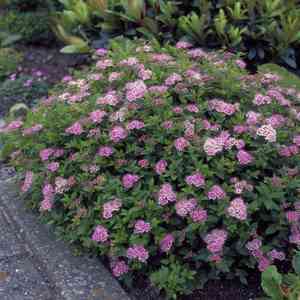
This leafy shrub, recognized for its vibrant leaves and grouped pink blossoms, flourishes with consistent trimming. For japanese meadowsweet, the optimal approach involves removing aged branches and snipping off faded blooms to stimulate fresh development and form. The most suitable period for pruning is late spring or early summer, once flowering has concluded. Pruning at this time facilitates vigorous growth and abundant flowering in the subsequent season. Refrain from cutting into mature wood to safeguard the blossoms for the upcoming year.
What Are the Benefits of Pruning Japanese Meadowsweet?
What Are the Benefits of Pruning Japanese Meadowsweet?
Trimming japanese meadowsweet promotes abundant flowering and strengthens its defense against pests and diseases, thereby fostering a healthier and more attractive shrub.
What Is the Best Time for Pruning Japanese Meadowsweet?
What Is the Best Time for Pruning Japanese Meadowsweet?
These periods are considered ideal for several reasons. In late spring, japanese meadowsweet has typically completed its blooming phase, as it primarily flowers on growth from the previous year. Pruning at this time stimulates new development and helps maintain the plant's desired form without sacrificing next year's blossoms. Early summer pruning can be utilized for shaping and thinning, given that the plant's growth rate remains active, allowing for quick recovery. It is also a good time for removing spent flowers to encourage a potential second bloom. Avoiding pruning in late autumn or winter is crucial because cuts made during colder weather can result in dieback and increased susceptibility to illness. The recommended timing ensures the health and aesthetic appeal of japanese meadowsweet are preserved, considering its specific growth cycle and seasonal factors.
What Tools Do I Need to Prune Japanese Meadowsweet?
Bypass Pruners
Perfect for making clean cuts on living wood without crushing stems. They should be used on japanese meadowsweet's young and slender branches for shaping and thinning.
Lopping Shears
Appropriate for cutting thicker branches that bypass pruners cannot manage, typically up to 1.5 inches in diameter, which is useful for handling the older, woodier growth of japanese meadowsweet.
Hand Saws
Essential for removing the oldest, thickest stems from japanese meadowsweet, which encourages rejuvenation and vigorous new growth.
Pruning Saws
Best suited for precise cuts in confined areas within japanese meadowsweet's dense foliage where a larger hand saw might not fit.
Hedge Clippers
Helpful for creating a neat, formal shape when shearing japanese meadowsweet, especially beneficial if it is cultivated as a hedge.
Gloves
Protect hands from thorns and rough branches while trimming japanese meadowsweet, ensuring safety and comfort.
Pruning Sealer
While not always necessary, it can be applied to safeguard larger cut surfaces on japanese meadowsweet from diseases and pests.
How to Prune Japanese Meadowsweet
Step1: Timing Pruning for Plant Dormancy
Begin by choosing an appropriate time for pruning japanese meadowsweet, ideally in late winter or early spring before new growth commences. This is when the plant is inactive, reducing stress on japanese meadowsweet and the risk of disease transmission.
Step2: Dead Wood Removal
Inspect japanese meadowsweet for any dead wood. Dead branches will be dry, brittle, and may have a different color than healthy wood. Carefully remove these branches by cutting them back to a point of living tissue using clean, sharp pruning shears.
Step3: Disease Inspection and Removal
Examine japanese meadowsweet for any indications of disease, which may include discolored leaves, cankers, or unusual growths. Use disinfected pruning tools to cut away diseased branches well below affected areas to prevent the spread of pathogens.
Step4: Deadheading Faded Flowers
Remove old flowers of japanese meadowsweet after they have bloomed and faded. This process, known as deadheading, encourages new growth and helps maintain a desirable shape. Snip the spent flower heads back to just above a set of healthy leaves.
Step5: Thinning for Rejuvenation
To encourage a dense habit and rejuvenate japanese meadowsweet, perform thinning cuts. Remove some of the oldest stems at the base of the shrub to make room for new growth. Thinning improves air circulation and sunlight penetration, which is vital for the health of the plant.
Step6: Shaping the Plant
For shaping japanese meadowsweet, decide on the desired form beforehand. Generally, japanese meadowsweet should maintain a natural mound-like shape. Trim the tips of the branches to maintain this form, making cuts at a 45-degree angle just above a leaf node.
Step7: Cleanup of Pruning Debris
After pruning, clear away all clippings from around japanese meadowsweet to maintain a tidy environment and reduce the risk of disease. Dispose of any diseased material properly and avoid composting it to prevent spreading infections.
Step8: Fertilizing After Pruning
Apply a balanced fertilizer after pruning japanese meadowsweet to supply the necessary nutrients for new growth. Follow the manufacturer’s recommendations for application rates and methods suitable for japanese meadowsweet.
Step9: Water Management Post-Pruning
Ensure that after pruning, japanese meadowsweet receives adequate water, but avoid overwatering. Proper hydration helps japanese meadowsweet to recover and thrive following the pruning process.
Step10: Post-Pruning Monitoring and Care
Monitor japanese meadowsweet after pruning for signs of new growth or any issues. Continued care through watering, mulching, and protection from extreme weather conditions will promote the health and beauty of japanese meadowsweet.
Post-Pruning Care for Japanese Meadowsweet
Post-Pruning Care for Japanese Meadowsweet
Immediately after trimming japanese meadowsweet, ensure clean cuts to facilitate quick healing. Position japanese meadowsweet in moderate sunlight, avoiding harsh light conditions that can stress the recovering plant. Maintain consistent moisture, but prevent waterlogging to avert root rot. Apply a balanced fertilizer to replenish nutrients and stimulate vigorous growth. Periodically check for wilting, discoloration, or pests, which indicate stress or infection. Address issues promptly with appropriate treatments like fungicides or insecticides, adhering to safety guidelines for japanese meadowsweet.
Common Pruning Mistakes with Japanese Meadowsweet
Over-pruning: Shock and Reduced Plant Vigor
Trimming too much at once, which can shock japanese meadowsweet and potentially lead to reduced vigor and diminished flowering.
Improper Tool Use: Damage and Disease Vulnerability
Using dull or unclean pruning tools, which can damage japanese meadowsweet branches and create openings for disease and pests.
Incorrect Cutting Distance: Bud Damage and Disease Risk
Making cuts too close or too far from the buds, which can either damage the new buds or leave unsightly dead stubs that can invite disease.
Common Pruning Tips for Japanese Meadowsweet
Clean, Sharp Cuts: Disease Prevention and Healing
Use sharp and clean pruning shears to make precise cuts on japanese meadowsweet, which help prevent disease and encourage faster healing.
Selective Tip Pruning: Bushier Growth and More Blooms
Prune the tips of japanese meadowsweet to shape the shrub and encourage bushier growth. This will also promote more flowering shoots.
Removing Harmful Branches: Enhanced Air Flow and Health
Remove dead, diseased, or crossing branches to maintain good air circulation, which is vital for the overall health of japanese meadowsweet.



