How to Prune Spinach?
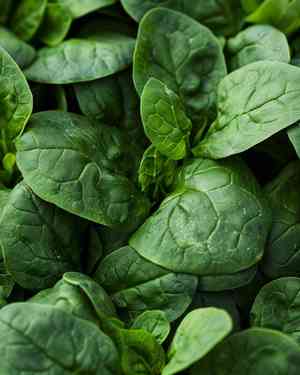
A verdant vegetable celebrated for its dietary benefits, spinach flourishes with consistent cutting to stimulate robust development. Snip external leaves near the base and space out young plants to 3-4 inches, promoting airflow and bigger foliage. This practice is most effective from early spring to late autumn, aligning with spinach's vigorous growth period. Advantages of trimming encompass increased production and extended harvesting, particularly when mature leaves are taken off to direct energy towards fresh growth.
What Are the Benefits of Pruning Spinach?
What Are the Benefits of Pruning Spinach?
Trimming spinach promotes vigorous development and maintains its desired shape. This aids in boosting yield and ensures healthier plants by facilitating improved air circulation and light penetration.
What Is the Best Time for Pruning Spinach?
What Is the Best Time for Pruning Spinach?
These periods are ideal because in early spring, spinach is beginning a new growth cycle after winter dormancy, allowing gardeners to shape young plants and remove damaged leaves, ensuring strong growth. As spinach is a cool-season crop, it continues to grow in cooler weather, making all of spring and fall suitable for routine trimming to harvest leaves. Furthermore, consistent pruning during the growing season can encourage denser leaf production and extend the harvesting period. Pruning or trimming spinach in late fall helps prepare the plant for winter by removing any remaining foliage, which can prevent disease and pest issues. It is also the time to gather the last of the leaves before the plant enters dormancy or succumbs to freezing temperatures.
What Tools Do I Need to Prune Spinach?
Sharp Scissors or Snips
These implements provide a clean cut, which helps prevent harm to the spinach leaves. Precise cutting is vital for maintaining the plant's well-being.
Hand Pruners
Spinach may develop thicker stems as they mature; hand pruners can manage these with ease, ensuring a clean cut without harming the rest of the plant.
Gloves
Wearing gloves protects the gardener's hands from potential irritation and keeps the spinach clean from oils and dirt that could be transferred during pruning.
How to Prune Spinach
Step1: Plant Inspection for Pruning
Identify the parts of spinach that require pruning: carefully examine the plant for yellow leaves, damaged leaves, and withered stems. These indicate sections of the plant that need attention and can impede the growth of healthy foliage.
Step2: Tool Sterilization Pre-Pruning
Sterilize your pruning tools: Before beginning, ensure that your scissors or pruning shears are clean and sterilized to prevent the spread of disease among spinach plants.
Step3: Yellow Leaf Removal
Remove yellow leaves: Gently hold a yellow leaf between your fingers and cut it off at the base where it meets the stem. Ensure you do not damage the healthy parts of spinach as you remove the yellow leaves.
Step4: Damaged Leaf Pruning
Prune damaged leaves: Look for leaves with physical damage or signs of disease. Cut these leaves off from the base of the leaf stem, taking care not to leave jagged edges that could become entry points for pests or diseases.
Step5: Withered Stem Trimming
Trim withered stems: Identify stems that are no longer producing foliage or have died off. Make a clean cut where the withered stem meets healthy growth or at the base of the plant, depending on the extent of the withering.
Step6: Plant Shaping Post-Pruning
Shape the plant: After removing the unwanted parts, you may need to shape spinach for better growth. Trim any overgrown stems to encourage bushier, more compact growth, making sure to avoid cutting too close to the leaf nodes.
Step7: Trimming Disposal
Dispose of the trimmings: Do not leave the pruned plant material on the ground as they can attract pests or disease. Collect all the trimmings and dispose of them properly, away from the garden area.
Step8: Post-Pruning Watering
Water spinach appropriately: After pruning, water the plant to help it recover from the stress of pruning. Ensure the soil is moist but not waterlogged, as spinach does not tolerate soggy conditions well.
Step9: Post-Pruning Health Monitoring
Monitor plant health: In the following days, keep an eye on spinach to watch for new growth. Healthy spinach should respond well to pruning by producing fresh, robust leaves.
Post-Pruning Care for Spinach
Post-Pruning Care for Spinach
Immediately after pruning spinach, irrigate lightly to encourage recovery. Maintain optimal growth conditions: a temperature range of 60-70°F, partial sun exposure, and moderate humidity. Apply a balanced, nitrogen-rich fertilizer to support leaf regrowth. Regularly inspect leaves and stems for wilting or discoloration, indicators of stress or disease. If symptoms appear, adjust care and potentially apply organic fungicides. These steps are crucial for spinach's post-pruning recovery and sustained health.
Common Pruning Mistakes with Spinach
Over-Pruning Weakens Plant
Pruning too aggressively, which can lead to a weaker plant that produces fewer leaves for harvest.
Avoid Cutting Plant Crown/Base
Cutting into the crown or base of the spinach, risking damage to new buds and affecting future growth.
Do Not Use Dull/Dirty Tools
Using dull or dirty pruning tools, which can cause injury to the spinach and introduce disease.
Common Pruning Tips for Spinach
Prune Older Leaves Only
Only remove older outer leaves, allowing the younger inner leaves to continue growing and providing a continual harvest.
Use Sharp Clean Cuts
Make clean cuts using sharp scissors or shears to minimize damage and stress to the spinach.
Sanitize Tools to Prevent Disease
Regularly sanitize your pruning tools with a solution of bleach or alcohol to prevent the spread of disease.



