How to Prune Chinese wedelia?
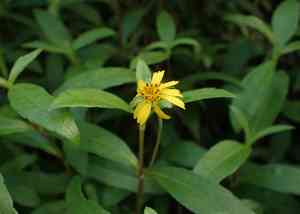
Chinese wedelia, a robust perennial groundcover, flourishes when consistently pruned. Essential methods involve the careful elimination of faded flowers and excessively long stems to foster a denser habit. Conduct most pruning from early spring through late autumn, coinciding with its period of vigorous development. Trimming aids in managing its expansion, preserving its form, and encourages more vibrant foliage along with enhanced blooming. Sanitize all implements prior to use to avert the transmission of pathogens.
What Are the Benefits of Pruning Chinese Wedelia?
What Are the Benefits of Pruning Chinese Wedelia?
Trimming chinese wedelia promotes more vigorous development and helps maintain its form. This not only encourages robust growth but also prevents the plant from becoming too sprawling, ensuring it enhances the garden's visual appeal.
What Is the Best Time for Pruning Chinese Wedelia?
What Is the Best Time for Pruning Chinese Wedelia?
Pruning in early spring allows chinese wedelia to recuperate and produce new growth as temperatures rise, leveraging its active growth phase. It stimulates strong development throughout spring and summer, ensuring the plant keeps its shape and encourages denser foliage. Trimming in late autumn, before colder weather sets in, can remove spent flowers and any summer overgrowth, preparing chinese wedelia for winter and reducing potential disease issues. It's vital to avoid pruning during winter when chinese wedelia might be dormant, as this could impede spring growth. These periods ensure the plant stays healthy, visually appealing, and less vulnerable to stress, pests, and diseases.
What Tools Do I Need to Prune Chinese Wedelia?
Hand Pruners
For precise cuts and shaping of chinese wedelia, hand pruners are perfect as they allow for accurate snips and can easily cut through the plant's relatively soft stems.
Shears
Shears are useful for trimming and shaping chinese wedelia when dealing with larger sections or hedges, as chinese wedelia may spread out and require even shaping.
Gloves
When pruning chinese wedelia, gloves are essential to protect the gardener's hands from scratches and potential irritants found on the plant or in the soil.
Pruning Saw
For thicker, woodier stems that chinese wedelia can sometimes produce, a pruning saw can make the job easier without damaging the plant's structure.
How to Prune Chinese Wedelia
Step1: Identifying Parts for Pruning
Identify the parts of chinese wedelia that need pruning. Look for dead leaves and old growth that are no longer producing flowers or new foliage.
Step2: Sanitizing Pruning Tools
Sanitize your pruning shears with rubbing alcohol or a bleach solution to prevent the spread of disease.
Step3: Cutting Dead Leaves
Prune dead leaves by cutting them at the base where they meet the stem. Make the cut clean and close to the stem without damaging the main plant.
Step4: Trimming Old Growth
Remove old growth by making cuts just above a leaf node or a branching point where new growth is emerging. This will encourage chinese wedelia to grow more vigorously and produce fresh foliage.
Step5: Shaping the Plant
Shape the plant by selectively trimming back overgrown areas. Use sharp shears to make precise cuts, encouraging chinese wedelia to develop a fuller, healthier shape.
Step6: Composting Waste Material
Dispose of the removed material by composting the dead leaves and old growth, provided they are disease-free, to promote an environmentally friendly practice.
Step7: Watering Post-Pruning
Water chinese wedelia after pruning to help reduce stress on the plant and aid in recovery. Ensure that the water goes directly to the root zone.
Step8: Post-Pruning Monitoring
Monitor chinese wedelia over the next few weeks, removing any additional dead leaves or unwanted growth as necessary to maintain plant health and aesthetics.
Post-Pruning Care for Chinese Wedelia
Post-Pruning Care for Chinese Wedelia
Immediately after pruning chinese wedelia, ensure ample light but avoid direct midday sun to prevent stress. Maintain moderate humidity and a temperature range conducive to recovery. Post-pruning, apply a balanced fertilizer to replenish nutrients and encourage healthy regrowth. Monitor chinese wedelia for wilting or discoloration, which can indicate stress or infection. If such signs appear, adjust care and consult a horticulturist if necessary. Regular observation and gentle care are key to chinese wedelia's post-pruning success.
Common Pruning Mistakes with Chinese Wedelia
Disinfection Neglect Spreads Disease
Neglecting to disinfect pruning tools before use, which can spread disease to chinese wedelia.
Over-Pruning Harms Plant Health
Pruning too aggressively, removing too much foliage and compromising the plant's health.
Top-Only Pruning Blocks Light and Air
Pruning only the top layers, leading to poor air circulation and light penetration within the plant.
Ignoring Diseased Stems Weakens Plant
Ignoring weak or diseased stems in favor of pruning visually unappealing parts, allowing the weakened areas to further degrade the health of chinese wedelia.
Improper Plant Shaping Causes Unruly Growth
Failing to shape chinese wedelia during pruning, resulting in an uneven or uncontrolled growth pattern.
Incorrect Cutting Increases Disease Risk
Making cuts flush against the main stems or branches, which can create wounds that are susceptible to pests and diseases.
Common Pruning Tips for Chinese Wedelia
Clean, Sharp Cuts Aid Healing
Use clean, sharp shears to make precise cuts, which help chinese wedelia recover more quickly and prevent jagged edges where pests and diseases can enter.
Balanced Pruning Sustains Growth
Prune to maintain the desired shape and size, but ensure that you leave a sufficient amount of foliage to sustain the plant's growth.
Angled Cuts Prevent Water Accumulation
Cut above leaf nodes at a 45-degree angle to promote new growth and prevent water accumulation that could lead to rot.
Thinning Branches Boosts Health
Thin out the interior branches of chinese wedelia to improve air circulation and sunlight penetration, encouraging a stronger, healthier plant.
Remove Damaged Stems Regularly
Remove dead, diseased, or damaged stems as part of regular maintenance to maintain the health and aesthetic of chinese wedelia.
Encourage Bushier Growth with Selective Cuts
When shortening stems, cut back to just above a lateral shoot or bud to encourage bushier growth and more prolific flowering.



