How to Prune African tulip tree?
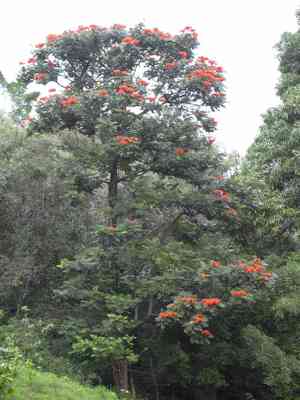
This distinguished decorative tree, celebrated for its vibrant blossoms and abundant leaves, greatly benefits from thoughtful pruning. Essential trimming methods include eliminating deceased or intersecting limbs to preserve the african tulip tree's well-being and structure. The most effective time for pruning is in winter, after flowering, to boost bloom production and regulate development. Specific considerations involve making precise cuts to deter illness and accounting for its swift expansion during shaping. Pruning not only encourages brilliant flowers but also curbs its invasive characteristics by managing seed distribution.
What Are the Benefits of Pruning African Tulip Tree?
What Are the Benefits of Pruning African Tulip Tree?
Trimming african tulip tree encourages robust development and maintains its desired shape. By eliminating dead or ailing branches, it fosters a strong framework, improves air movement, and supports the plant's overall vitality.
What Is the Best Time for Pruning African Tulip Tree?
What Is the Best Time for Pruning African Tulip Tree?
Winter is considered ideal for trimming african tulip tree as this is typically the dormant phase for many plants, including african tulip tree. During dormancy, the plant's growth cycle pauses, which minimizes stress and shock. Pruning in this season allows the plant to conserve energy and redirect it towards healing and new growth in the spring. Furthermore, without leaves, it's easier to observe the tree's structure and make accurate cuts. Trimming before the spring growth spurt gives african tulip tree the chance to seal its wounds and produce fresh, healthy shoots as warmer weather arrives. This timing also prevents cutting off buds that would develop into flowers, ensuring an uninterrupted blooming period after pruning.
What Tools Do I Need to Prune African Tulip Tree?
Hand Pruners
For young african tulip tree saplings or smaller branches, hand pruners are essential. They provide a clean cut and are easy to maneuver, which helps prevent plant damage.
Loppers
For branches too thick for hand pruners, loppers with extended handles offer the extra leverage needed for clean cuts without user strain.
Pruning Saw
Once african tulip tree's branches become too thick for loppers, a pruning saw with a curved blade is perfect. It allows for cutting larger limbs with greater precision and control.
Chainsaw
For mature african tulip tree or removing larger limbs, a chainsaw may be necessary. It's effective for cutting thick, hard-to-reach branches but requires careful use and proper safety gear.
Pole Pruner
For high african tulip tree branches that are out of reach, a pole pruner can be used. This keeps the user's feet on the ground while safely trimming higher limbs.
Safety Gear
While not a cutting tool, safety equipment including gloves, goggles, and a hard hat is vital to protect the gardener during the pruning process.
How to Prune African Tulip Tree
Step1: Timing of Pruning
Select the appropriate time for trimming african tulip tree, which is late winter or early spring before new growth starts, to ensure wound closure and reduce disease risk.
Step2: Tool Sanitization
Disinfect pruning tools with alcohol or a bleach solution before starting and between cuts on diseased branches to prevent infection spread.
Step3: Dead Wood Removal
Remove all dead wood by cutting just above a healthy branch or bud, angling the cut to allow water runoff from the surface.
Step4: Prune Diseased Branches
Identify and trim diseased branches next, making cuts well below affected areas, ideally back to healthy wood. If the entire branch is affected, cut it back to the trunk or a main limb.
Step5: Broken Limbs Pruning
Inspect the tree for broken limbs and trim these back to their origin point or to a strong lateral branch that can take over the terminal role.
Step6: Thinning for Air and Light
After removing dead, diseased, and broken limbs, step back to assess the tree's shape. Make additional thinning cuts as needed to improve air circulation and light penetration, crucial for african tulip tree's health and bloom.
Step7: Shaping the Plant
If necessary, shape african tulip tree by selectively shortening branches, remembering to cut just above an outward-facing bud to direct new growth outwards.
Step8: Clean Up Pruning Debris
Clear all pruned material from the ground to prevent fungal diseases and pests from affecting african tulip tree.
Step9: Apply Wound Dressing
Apply a wound dressing to large cuts to aid healing and protect against pests and diseases.
Step10: Post-Pruning Watering
Water african tulip tree deeply after pruning to encourage recovery, but avoid overhead watering that can wet foliage and open pruning wounds.
Post-Pruning Care for African Tulip Tree
Post-Pruning Care for African Tulip Tree
Immediately after trimming african tulip tree, water the plant thoroughly to help alleviate stress. Ensure african tulip tree is placed in an environment with sufficient sunlight, balanced humidity, and regulated temperatures to promote recovery. Post-pruning, apply a balanced fertilizer to support new growth, but avoid excessive fertilization which can harm african tulip tree. Regularly inspect pruning sites for signs of infection or pest infestation. If any abnormalities are detected, such as discolored leaves or oozing wounds, promptly apply appropriate fungicides or insecticides.
Common Pruning Mistakes with African Tulip Tree
Neglect Tool Sanitation
Ignoring Tool Hygiene: Not sanitizing pruning tools before and after use can spread pathogens to african tulip tree and other plants.
Incorrect Cutting Angles
Improper Cut Angles: Making cuts that are too steep or flush against the trunk can harm african tulip tree by hindering the healing process.
Over-Thinning Canopy
Excessive Canopy Thinning: Over-thinning the canopy can stress african tulip tree, leading to reduced flowering and a sparse, weakened structure.
Overlook Damaged Limbs
Disregarding Damaged Limbs: Failing to remove dead, diseased, or damaged limbs can attract pests and disease, jeopardizing the health of african tulip tree.
Harmful Topping Practice
Topping the Tree: Cutting off the top of african tulip tree to reduce its height can result in weak new growths susceptible to damage.
Common Pruning Tips for African Tulip Tree
Clean and Sharp Pruning Tools
Use Clean, Sharp Tools: Ensure pruning shears and saws are sharp and clean to make precise cuts that will heal quickly and minimize stress to african tulip tree.
Prune to Natural Shape
Follow Natural Shape: Trim african tulip tree according to its natural canopy shape, removing only what is necessary to maintain its form and promote air circulation.
Proper Angle Cuts
Cut at Proper Angles: Make cuts at a 45-degree angle just above a lateral branch or bud, facing outwards to encourage the correct growth direction.
Regular Health Pruning
Prune for Health: Regularly remove dead, diseased, or crossing branches to maintain the robustness and aesthetic appeal of african tulip tree.
Moderate Canopy Thinning
Selective Thinning: Thin out the canopy moderately to allow light penetration and air flow, which can help prevent disease and enhance flowering.



