How to Prune Peace lily?
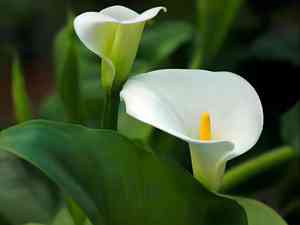
Spathiphyllum, recognized for its lustrous emerald foliage and pristine floral bracts, flourishes with infrequent trimming. Essential methods involve detaching discolored or lifeless leaves and faded blossoms near the base to stimulate fresh development. Ideal trimming can be performed throughout the year as required. For Spathiphyllum specifically, pruning deters excessive growth and fosters flowering. Furthermore, reduce root-bound plants during transplantation to preserve their well-being.
What Are the Benefits of Pruning Peace Lily?
What Are the Benefits of Pruning Peace Lily?
Trimming peace lily promotes flowering, stimulates vigor, and maintains a neat form, essential for the plant's health and visual appeal.
What Is the Best Time for Pruning Peace Lily?
What Is the Best Time for Pruning Peace Lily?
Pruning peace lily at any point during the year is acceptable since it isn't significantly affected by seasonal dormancy like many other plants. This year-round pruning allowance aligns with peace lily's evergreen nature and continuous development under optimal conditions. Trimming should be performed to eliminate dead or yellowed foliage, encourage a healthy shape, and facilitate renewal. This fosters new growth and may enhance overall vitality and bloom production. However, it's beneficial to prune immediately after a flowering cycle, as this provides peace lily ample time to recover and potentially produce more blossoms. It is advisable to conduct any extensive pruning in early spring or late winter to coincide with the start of the active growth period, thereby ensuring minimal impact on the plant's health and swift recovery.
What Tools Do I Need to Prune Peace Lily?
Sharp Scissors or Snips
Perfect for peace lily due to its relatively slender stems and leaves. These instruments enable precise cuts without harming plant tissue, encouraging healthier regrowth.
Pruning Shears
Useful for thicker stems or overgrown peace lily specimens. They deliver a clean cut, vital for the plant's health and appearance.
Sterilizing Solution (e.g. Isopropyl Alcohol or Bleach solution)
Peace lily requires cleanliness to prevent disease transmission during pruning. Tools should be disinfected before and after use.
Gloves
Protects hands from sap, which can cause skin irritation for some individuals when pruning peace lily.
Waste Bin
Immediate disposal of cuttings helps prevent any potential disease spread and keeps the area around peace lily tidy.
How to Prune Peace Lily
Step1: Gather Pruning Tools
Prepare the necessary implements before starting to prune peace lily. Utilize sharp, clean pruning shears or scissors to avoid damaging the plant and to ensure a precise cut.
Step2: Inspect for Yellow Leaves
Examine peace lily thoroughly to locate yellowed leaves, often a result of overwatering or aging. These leaves no longer contribute to the plant's well-being and should be removed.
Step3: Identify Wilted Flowers
Pinpoint any faded flowers on peace lily. Spent blooms, if left on the plant, can consume energy that could be used for new development. Carefully clipping these away encourages the plant to produce fresh blossoms.
Step4: Check for Brown Leaf Tips
Inspect peace lily for any leaves with brown tips. These may indicate insufficient humidity or a watering issue. Trimming brown tips can prevent further browning and enhance the plant's look.
Step5: Prune Yellow Leaves
Begin by trimming the yellowed leaves. Make a clean cut where the yellow part of the leaf meets the green, healthy tissue. If the entire leaf is yellow, cut it off at the stem's base, near the soil line.
Step6: Remove Wilted Flowers
Proceed to remove faded flowers from peace lily. Cut the flower stalk as close to the main plant stem as possible without causing damage. Be careful not to break or harm adjacent healthy leaves and blooms.
Step7: Trim Brown Leaf Tips
Precisely cut the brown tips of peace lily leaves. Trim only the browned edge, following the natural shape of the leaf to maintain a healthy appearance. Do not cut into the healthy, green tissue.
Step8: Dispose of Plant Debris
Discard all debris and removed parts from around peace lily to prevent potential pests and diseases from festering in the decaying plant matter.
Step9: Careful Post-Pruning Watering
Water peace lily judiciously after pruning, ensuring to avoid overwatering, as fresh cuts are more vulnerable to rot in a damp environment.
Step10: Monitor Plant Recovery
Observe peace lily after pruning to ensure it recovers properly and to check for signs of new growth. Pruning should ideally be done during the growing season to promote rapid healing and rejuvenation.
Post-Pruning Care for Peace Lily
Post-Pruning Care for Peace Lily
After trimming peace lily, promptly water the soil to aid recovery. Maintain a humid environment and indirect, bright light; avoid direct sun that can stress the pruned plant. Keep temperatures between 65-80°F. Apply a balanced, water-soluble fertilizer after four weeks to foster growth but do not over-fertilize. Monitor peace lily for wilting or discoloration as signs of distress. If infection signs like blackened foliage emerge, isolate the plant and remove affected parts with sterilized tools.
Common Pruning Mistakes with Peace Lily
Overly Aggressive Pruning Harms Plant Health
Trimming too aggressively, which can stress peace lily and lead to reduced blooming or weaken the plant.
Incorrect Cuts Near Main Stem Risk Disease
Cutting directly on or too close to the main stem, which can damage the plant and create entry points for disease.
Dull and Dirty Tools Lead to Damaged Plants
Using dull or dirty pruning tools, which can cause jagged cuts and introduce pathogens to peace lily.
Common Pruning Tips for Peace Lily
Sharp, Clean Tools for Safe and Healthier Cuts
Always use sharp, clean cutting tools to make precise cuts, reducing stress and the risk of infection to peace lily.
Remove Dead Leaves to Redirect Plant's Energy
Focus on removing yellow, brown, or withered leaves at their base to encourage peace lily's energy to be directed towards healthy growth and flowering.
Carefully Prune Dead Flowers to Encourage Blooming
Trim spent flowers to promote new blooms by snipping the flower stalk at the base, but be careful not to harm surrounding leaves and stems.



