How to Prune Snow flower?
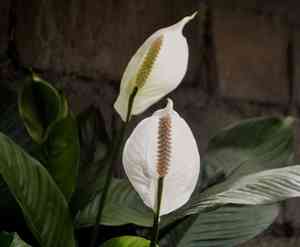
A member of the Araceae family, snow flower is a vibrant, shade-preferring perennial, distinguished by its lustrous green foliage and white spathes. Essential trimming methods involve consistently detaching yellowed or deceased leaves and clipping faded blossoms to stimulate fresh development. Trimming can be performed throughout the entire year, preferably following the blooming period. This enhances the plant's vitality and guarantees a neat look. Employing sanitized, sharp shears or clippers is crucial to avert harm and illness.
What Are the Benefits of Pruning Snow Flower?
What Are the Benefits of Pruning Snow Flower?
Trimming snow flower promotes more blossoms, maintains its appealing form, and stimulates robust development. This careful cutting eliminates spent flowers and dense foliage, improving air circulation and light penetration, which are crucial for snow flowerâs health and visual charm.
What Is the Best Time for Pruning Snow Flower?
What Is the Best Time for Pruning Snow Flower?
The optimal period to prune snow flower is typically late winter to early spring, as the plant exits dormancy and prepares for active growth. Pruning at this time allows snow flower to channel energy into new development, fostering a healthier, more vigorous plant. Additionally, any winter damage can be removed, supporting the plant's overall well-being and aesthetic. Pruning just before the growth season ensures rapid wound healing and provides a full growing season for recovery. It's also easier to discern snow flower's structure without full foliage, making pruning more effective. Since snow flower lacks a specific flowering or fruiting period dictating timing, pruning can be flexible. However, avoiding pruning in peak summer and deep winter helps snow flower maintain strength during extreme weather.
What Tools Do I Need to Prune Snow Flower?
Sharp Scissors or Snips
Perfect for making clean cuts on snow flower's delicate stems and removing faded blooms without harming the plant. Sterilize them to prevent disease spread.
Bypass Pruners
Suitable for slightly thicker stems or overgrown leaves of snow flower, ensuring precise, healthy cuts without crushing plant tissues.
Leaf Shine
Not a cutting tool, but useful for cleaning and maintaining snow flower's foliage after pruning, encouraging healthy growth and appearance.
Curved Blade Pruners
Helpful for hard-to-reach spots or for making angled cuts, enhancing snow flower's aesthetic shape.
Gloves
Essential for protecting hands from sap and ensuring a safe pruning process for snow flower.
Disinfectant
Used to clean all tools before and after pruning snow flower to maintain plant hygiene and prevent disease transmission.
How to Prune Snow Flower
Cleanup
Thoroughly inspect snow flower to identify all diseased leaves, withered leaves, dead branches, diseased branches, and withered flowers that need removal.
Sterilize
Before starting to prune snow flower, sterilize the pruning shears with an alcohol or bleach solution to prevent disease spread.
Removal
Carefully cut away diseased and dead leaves at the stem's base, along with withered flowers. For dead and diseased branches, make clean cuts at a 45-degree angle to encourage healthy regrowth.
Healthy Growth
Thin out crowded areas if necessary by removing some of the oldest stems to improve air circulation and light penetration, which can lead to healthier growth in snow flower.
Cleanup After Pruning
After pruning snow flower, clear away all removed plant material to reduce the likelihood of disease and pests.
Common Pruning Mistakes with Snow Flower
Over-Pruning
Removing too much foliage from snow flower at once can stress the plant, leading to poor growth or fewer flowers. It's vital to prune no more than one-third of the total foliage during a single session.
Pruning Healthy Leaves
Trimming healthy, green leaves can deprive snow flower of essential nutrients for photosynthesis. Focus on removing only yellowed, brown, or damaged leaves to maintain the plant's health and aesthetic appeal.
Improper Cleaning Of Tools
Using dirty pruning tools can introduce pathogens to snow flower, potentially causing disease. Always clean and sterilize pruning tools before use to prevent contamination.
Incorrect Cuts
Making jagged or torn cuts on snow flower can damage tissue and impede the healing process. Make clean cuts with sharp pruning shears to promote quick recovery.
Neglecting To Prune
Failure to prune snow flower can result in a leggy, overgrown plant with fewer blooms. Regular pruning encourages bushier growth and can lead to more prolific flowering.
Common Pruning Tips for Snow Flower
Selective Pruning
Remove yellowing or brown leaves by cutting at the base where they meet the stem. This directs the plant's energy towards healthy growth and bloom production.
Timing
Prune snow flower after it has finished flowering to rejuvenate the plant and encourage new growth. This helps prepare the plant for the next flowering cycle.
Cut Placement
When pruning snow flower, make cuts just above leaf nodes or where leaves attach to the stem. This will encourage new shoots to form at the cut site.
Gentle Handling
Be gentle when handling snow flower during pruning to avoid unnecessary damage to stems and leaves, which can lead to disease or pests.
Post-Pruning Care
After pruning snow flower, ensure the plant receives adequate water and light to facilitate recovery and promote healthy new growth.



