How to Prune Peace lily?
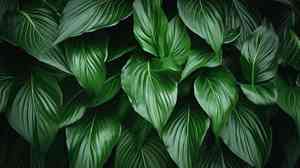
Spathiphyllum, recognized for its lustrous foliage and white flower bracts, flourishes with infrequent trimming. Sever withered or discolored leaves near the soil line to foster robust development. The most suitable time for this activity is from late winter to early spring, coinciding with the plant's resting phase. Consistent removal of faded blossoms stimulates more abundant flowering. Always use sanitized, keen implements to avert pathogen transmission. Trimming enhances air movement, thereby diminishing pest issues and elevating the plant's visual charm.
What Are the Benefits of Pruning Peace Lily?
What Are the Benefits of Pruning Peace Lily?
Peace lily pruning encourages robust development, maintains its form, improves its look, and helps it resist pests and diseases, leading to healthier foliage and better flowering. Regular trimming also prevents crowding, allowing for improved air circulation and light penetration.
What Is the Best Time for Pruning Peace Lily?
What Is the Best Time for Pruning Peace Lily?
Trimming peace lily in early spring or late winter aligns with its natural growth cycle. These periods are ideal as they precede the active growth phase, giving the plant time to recover and rejuvenate before it starts growing and blooming vigorously. Pruning at this time helps improve the plant's health by removing dead or damaged leaves, promoting better air circulation, and encouraging new growth. Additionally, it ensures that the plant uses its energy efficiently during the upcoming growing season, leading to more robust and attractive foliage.
What Tools Do I Need to Prune Peace Lily?
Pruning Shears
These are perfect for making precise cuts on small stems and leaves, which is crucial for maintaining the health and appearance of peace lily.
Scissors
Sharp, small garden scissors are excellent for precise removal of yellowing or dying leaves without harming the surrounding healthy tissue of peace lily.
Sanitizing Solution
Crucial for disinfecting tools before and after pruning to prevent the spread of disease and pests from affected parts of peace lily to healthy areas.
How to Prune Peace Lily
Identify
Inspect peace lily thoroughly to locate diseased and withered leaves. Look for indicators such as yellowing, browning, softness, or wilting.
Tools
Utilize clean, sharp scissors or pruning shears to prevent disease transmission and ensure accurate cuts.
Diseased removal
Eliminate any diseased leaves. Make cuts close to the base, ensuring proper disposal of removed parts to prevent contamination.
Withers removal
Trim withered leaves by cutting down to the stem's base. Ensure the cutting tool is angled to avoid harming surrounding healthy tissue.
Care
After pruning, water peace lily and observe for new growth or any signs of stress. Apply a balanced houseplant fertilizer to aid recovery and healthy development.
Common Pruning Mistakes with Peace Lily
Over-pruning
Excessive pruning can stress peace lily and hinder its growth, resulting in fewer blooms and poor health.
Improper cuts
Making jagged or uneven cuts can damage plant tissue, leaving peace lily vulnerable to disease and pest infestations.
Removing too many healthy leaves
Removing too many healthy leaves reduces the plantâs ability to photosynthesize, which can weaken peace lily and inhibit growth.
Ignoring old and dead parts
Failing to remove dead or diseased parts can spread illness or pest problems within peace lily, affecting its overall health.
Common Pruning Tips for Peace Lily
Use sharp, clean tools
Always use sharp, sterilized pruning shears to make clean cuts, reducing the risk of infection and promoting quicker healing for peace lily.
Focus on yellow or brown leaves
Cut off any yellow or brown leaves or stems at the base, as these are already dead or dying and detract from peace lily's vitality and appearance.
Prune spent flowers
Remove wilted or spent flowers to encourage peace lily to produce new blooms and maintain its aesthetic appeal.
Prune sparingly
Only prune when necessary, focusing on removing damaged, dead, or excess parts to avoid over-pruning peace lily and promoting healthy, balanced growth.



