How to Prune Spanish broom?
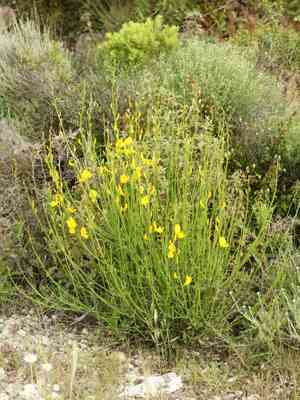
A robust, perennial woody plant recognized for its vivid yellow blossoms and reed-like stalks, spanish broom significantly thrives with regular trimming. Essential methods involve reducing older branches and shortening excessively long stems to preserve its form and stimulate fresh development. The most suitable periods for pruning are late winter or early spring, prior to the commencement of the active growth phase. Trimming during the appropriate season safeguards nascent flowers and fosters a more vigorous, bloom-abundant specimen.
What Are the Benefits of Pruning Spanish Broom?
What Are the Benefits of Pruning Spanish Broom?
Trimming spanish broom promotes more vigorous development and helps maintain its desired shape. Strategic cuts can lead to strong new shoots, ensuring the plant stays dense and well-structured, improving both its appearance and vitality.
What Is the Best Time for Pruning Spanish Broom?
What Is the Best Time for Pruning Spanish Broom?
For spanish broom, trimming in late winter before new growth begins minimizes impact on its health and structural support. This timing avoids removing new buds, which are vital for the upcoming flowering season. Early spring pruning is also acceptable, but gardeners must be careful not to cut off new growth. This period aligns with spanish broom's dormant phase, allowing gardeners to shape the plant and remove any dead or diseased wood without affecting the bloom cycle. Since spanish broom flowers on new wood, pruning at these times maximizes blooming potential and maintains plant vigor.
What Tools Do I Need to Prune Spanish Broom?
Bypass Pruners
Perfect for making clean cuts on spanish broom's smaller, green stems, ensuring minimal harm to plant tissues for healthy regrowth.
Loppers
These are necessary for cutting through thicker branches of spanish broom that bypass pruners cannot handle, thanks to their long handles providing leverage.
Pruning Saw
Crucial for removing mature, woody stems of spanish broom that are too thick for loppers, promoting good plant shape and eliminating dead material.
Protective Gloves
Wearing gloves is wise to shield hands from spanish broom's spiny foliage during pruning.
Garden Shears
Useful for shaping spanish broom by trimming soft shoots and managing the plant's overall size.
How to Prune Spanish Broom
Identify Parts
Carefully inspect spanish broom, focusing on removing diseased leaves, withered leaves, dead branches, and diseased branches to maintain its health.
Sanitize Tools
Before pruning spanish broom, disinfect pruning tools with a bleach or alcohol solution to prevent disease spread.
Cut Diseased And Dead
Use sharp, clean shears to cut at the base of diseased and withered leaves and on healthy wood just beyond diseased or dead branches to promote healing and prevent further disease spread.
Dispose
Collect and discard all diseased and dead material away from spanish broom to prevent reinfection or the spread of pests and diseases.
Healthy Growth
Prune spanish broom to encourage air circulation and sunlight penetration, which promotes healthy new growth while maintaining the plant's natural shape.
Common Pruning Mistakes with Spanish Broom
Over-Pruning
Removing too much of spanish broom's foliage at once can weaken the plant, making it more susceptible to pests and diseases. Cutting off more than one-third of the plant's total growth can stress the plant and reduce its vigor.
Incorrect Cuts
Making cuts that are either too close or too far from the buds can harm spanish broom. Cuts should be made at a 45-degree angle just above outward-facing buds to ensure proper healing and encourage outward growth.
Neglecting Tool Hygiene
Using dirty pruning tools can introduce diseases to spanish broom. It's essential to clean and sterilize pruning equipment before and after use to prevent the spread of pathogens.
Ignoring Plant Shape
Random or unstrategic cutting can lead to an unattractive plant form. Pruning should maintain or enhance the natural shape of spanish broom, encouraging an even and aesthetically pleasing growth habit.
Pruning Too Frequently
Excessive pruning can stress spanish broom, as it continuously tries to recover and regrow. It's crucial to limit pruning sessions to only when necessary for plant health or shape maintenance.
Common Pruning Tips for Spanish Broom
Selective Thinning
Remove chosen branches of spanish broom to increase light penetration and air circulation. This helps prevent disease and can result in more robust growth and better flowering.
Maintain Plant Health
Regularly inspect spanish broom for dead, diseased, or damaged wood, and prune these parts away to maintain overall plant health and aesthetic.
Encourage New Growth
Prune spanish broom to stimulate new growth which will bear flowers. Focus on cutting back old wood that has already flowered as spanish broom blooms on new growth.
Use Sharp Tools
Employ sharp and clean pruning shears or loppers to make precise cuts on spanish broom. This results in less damage to the plant tissue and allows for faster healing.
Cut At Correct Angle
Make cuts on spanish broom at a 45-degree angle just above a healthy bud, facing away from the center of the plant, to encourage the bud to grow outwards, improving the plant shape.



