How to Prune Yellow indiangrass?
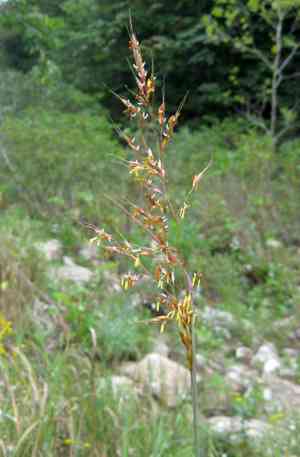
Yellow indiangrass, a perennial grass thriving in warmer seasons, features lofty, erect clumps and plume-like seed structures. Trim yellow indiangrass during early spring or winter to eliminate aged foliage and stimulate fresh development. Reduce the plant to approximately 6 inches from the soil surface to preserve its vitality and aesthetic appeal. Strategic trimming guarantees vigorous spring sprouts and elevates the plant's decorative qualities. Furthermore, pruning manages its dimensions and deters self-propagation in cultivated environments.
What Are the Benefits of Pruning Yellow Indiangrass?
What Are the Benefits of Pruning Yellow Indiangrass?
Trimming yellow indiangrass promotes more robust development by eliminating old, unproductive stems, thereby stimulating fresh growth. It also assists in maintaining its desired form and dimensions, ensuring yellow indiangrass retains an attractive appearance.
What Is the Best Time for Pruning Yellow Indiangrass?
What Is the Best Time for Pruning Yellow Indiangrass?
Pruning yellow indiangrass in early spring is optimal as it prepares the plant for vigorous growth once temperatures rise. This timing allows for the removal of dead or damaged foliage without affecting new growth, given that yellow indiangrass is a warm-season grass. Winter trimming is also advantageous because yellow indiangrass enters dormancy, permitting pruning without stressing the plant. Moreover, cutting back in winter enhances light penetration and fosters healthier regrowth in spring.
What Tools Do I Need to Prune Yellow Indiangrass?
Hand Pruners
Perfect for shaping and trimming yellow indiangrass during its active growth period. Choose bypass pruners for clean cuts that encourage healthy regeneration.
Grass Shears
Useful for detailed work around the base and for snipping seed heads if needed. Their long handles enable precision without bending over.
Pruning Saw
For older, denser clumps of yellow indiangrass that require division or size reduction. It allows cutting through thicker stems that hand pruners cannot manage.
Hedge Shears
Effective for cutting back a larger area of yellow indiangrass in a straight, even line, especially before new growth commences in spring.
How to Prune Yellow Indiangrass
RemoveWitheredStems
Identify withered or dead stems on yellow indiangrass by checking for brown, brittle sections lacking green growth. Using clean, sharp scissors or pruning shears, carefully cut these stems at the plant's base or just above a living segment, ensuring a clean cut without tearing.
CutDeadFlowers
Examine yellow indiangrass for dead flowers, which will appear dry and faded. Use your pruning tool to snip the flower stalks below the spent blooms at the nearest leaf junction or a set of leaves to promote new growth and prevent self-seeding, if desired.
ThinningOut
Thin out crowded areas of yellow indiangrass to improve air circulation and light penetration. Select a few of the weakest or most crowded stems and remove them at the base. This will allow healthier stems more space to grow and reduce the risk of disease.
ShapePlant
After removing withered stems and dead flowers, lightly shape yellow indiangrass if necessary. Trim any unruly or overlong stems to maintain a pleasing shape and to encourage bushier growth. Avoid heavy pruning, as yellow indiangrass has a natural form that should be preserved.
Cleanup
Clean up all the cuttings from around the base of yellow indiangrass to prevent any potential disease or pest problems. Properly dispose of the pruned material, especially if it shows any signs of disease or decay.
Common Pruning Mistakes with Yellow Indiangrass
Overpruning
Removing too much foliage from yellow indiangrass, which can weaken the plant and reduce its vigor. Yellow indiangrass is generally low maintenance and does not require heavy pruning.
Improper cutting technique
Making jagged or torn cuts on yellow indiangrass, which can lead to disease. It's important to use sharp, clean pruning tools to make clean cuts.
Pruning healthier portions
Unnecessarily cutting the healthy, green growth in attempt to reshape or resize yellow indiangrass, which can hinder its natural form and growth pattern.
Neglecting dead material
Failing to remove dead or diseased foliage, which can inhibit new growth and potentially spread disease throughout yellow indiangrass.
Common Pruning Tips for Yellow Indiangrass
Selective thinning
Gently thin out the older, interior stems of yellow indiangrass to allow light and air to reach the center of the clump, which promotes healthier growth and prevents disease.
Deadheading
If seed dispersal is not desired, remove spent seed heads to potentially prolong the blooming period and encourage tidiness.
Use sharp tools
Ensure to use sharp, clean shears or pruners to make precise cuts on yellow indiangrass, to minimize damage and help the plant heal more quickly.
Seasonal cleanup
While avoiding information about the best season, perform an annual cleanup of yellow indiangrass to remove dead or damaged foliage and maintain the desired shape, without specifying the time of year.



