How to Prune European mountain-ash?
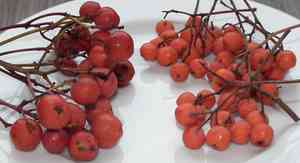
Distinguished by its vibrant berries and compound foliage, Sorbus aucuparia thrives with consistent trimming. Essential methods involve reducing older branches, eliminating impaired or infected sections, and sculpting for an even crown. The most favorable period for pruning is from late winter to early spring, to prevent sap leakage that frequently happens in late winter. Effective pruning enhances light exposure and airflow, which are vital for the plant's well-being and abundant berry yield.
What Are the Benefits of Pruning European Mountain-ash?
What Are the Benefits of Pruning European Mountain-ash?
Trimming european mountain-ash promotes robust development and preserves its form. Precise cuts enhance light penetration and air flow, fostering strong vitality. Eliminating dead or diseased limbs deters pests and ailments, while shaping the tree boosts its decorative appeal.
What Is the Best Time for Pruning European Mountain-ash?
What Is the Best Time for Pruning European Mountain-ash?
Trimming european mountain-ash during early spring and late winter is considered ideal because this period aligns with the plant's dormant phase. During this time, the absence of leaves allows for clear visibility of the plant's structure, making it easier to remove damaged or diseased branches and shape the tree without the stress of full foliage. Additionally, pruning just before the start of spring growth enables wounds to heal rapidly, reducing the risk of infection or disease. Avoid pruning european mountain-ash in late spring or summer, as sap is actively flowing and cuts may lead to excessive bleeding, weakening the plant. Furthermore, cutting back the plant before its growth cycle encourages vigorous growth and, for fruit-bearing trees like european mountain-ash, can stimulate better fruit production in the subsequent season.
What Tools Do I Need to Prune European Mountain-ash?
Hand Pruners
For precise cuts on small branches (under 1/2 inch) of european mountain-ash, ensuring clean cuts for healthy regrowth.
Lopping Shears
For branches too thick for hand pruners, typically between 1/2 inch and 1 1/2 inches, providing longer handles for increased leverage.
Pruning Saw
Essential for cutting branches over 1 1/2 inches in diameter, featuring a curved blade for easier and cleaner cuts on european mountain-ash.
Pole Pruner
Allows access to higher limbs of european mountain-ash without a ladder, ensuring safety and ease for cutting branches up to 1 inch thick.
Hedge Shears
For shaping and maintaining the formal appearance of hedges formed by european mountain-ash, if applicable.
Pruning Scissors
Ideal for meticulous thinning and shaping of european mountain-ash's smaller branches and twigs, allowing for precise control.
How to Prune European Mountain-ash
Step1: Assessment for Dead, Diseased, or Broken Branches
Inspect european mountain-ash for any dead wood, diseased limbs, and broken branches. This inspection should occur during dormancy in late winter to early spring for optimal visibility of the plantâs structure and to avoid disrupting its flowering cycle.
Step2: Tool Sanitization
Disinfect your pruning tools with alcohol or a 10% bleach solution to prevent the spread of disease between plants. Sharp, clean tools create cleaner cuts that heal more quickly.
Step3: Removal of Dead Wood
Begin by removing any dead wood. Dead branches are identifiable by their brittle nature, lack of buds, and dry, peeling bark. Cut these branches at their base where they meet healthy wood, ensuring your cut is clean and angled away from the bud to allow water to run off and prevent rot.
Step4: Diseased Limb Extraction
Identify and remove diseased limbs. Look for signs of disease, such as unusual coloration, cankers, or growths. Make cuts well below the diseased portions to ensure all infected material is removed. Disinfect your tools after each cut when dealing with diseased limbs to prevent spreading pathogens.
Step5: Broken Branches Removal
Remove broken branches by making clean cuts just above a lateral branch or bud that faces the direction you want the new growth to follow. This encourages growth in a direction that favors the treeâs natural shape while removing potential entry points for disease.
Step6: Crown Thinning for Health
Thin out the crown of european mountain-ash to allow light and air circulation, which can reduce the likelihood of disease. Focus on removing interior branches that are crossing or rubbing against each other, which can cause wounds and subsequent disease entry.
Step7: Natural Habit Shaping
Shape european mountain-ash by maintaining its natural habit. Avoid excessive pruning, which could stimulate sucker growth or destroy the treeâs natural form. Typically, no more than 25% of the crown should be removed in one year.
Step8: Pruning Clean-Up
Conclude the pruning session by cleaning up the site. Remove all cuttings and debris to prevent it from becoming a breeding ground for pests and diseases.
Step9: Wound Care Post-Pruning
After pruning, care for the wounds on european mountain-ash by allowing them to heal naturally. Avoid applying wound dressings or sealants, as they can inhibit natural healing processes and may promote decay.
Step10: Post-Pruning Stress Monitoring
Monitor european mountain-ash after pruning for signs of stress, such as leaf wilting or discoloration. Provide european mountain-ash with adequate water and avoid fertilization immediately after pruning, as it can stress the plant.
Post-Pruning Care for European Mountain-ash
Post-Pruning Care for European Mountain-ash
After trimming european mountain-ash, water immediately to hydrate and lessen stress. Maintain a favorable environment with partial sun and protect from extreme temperatures. Adjust humidity by mulching and ensure good air circulation. Apply a balanced, slow-release fertilizer to aid in recovery. Regularly inspect for signs of disease or distress, such as wilting or discolored foliage, and promptly treat with appropriate fungicides or insecticides if necessary. Monitor growth, adjusting care as european mountain-ash responds to pruning.
Common Pruning Mistakes with European Mountain-ash
Over-Pruning Canopy Stress
Excessive Pruning: Removing too much of european mountain-ash's canopy in one session can stress the plant, reducing its vigor and making it more susceptible to disease and pests.
Incorrect Cut Placement and Angle
Improper Cut Placement: Not cutting at the correct angle or location can result in uneven growth or damage to european mountain-ash. Cuts should be made just above a bud facing the outside of the plant to encourage outward growth.
Lack of Pruning Tool Sanitation
Neglecting Sanitation: Failing to sanitize tools before and after use on european mountain-ash can spread diseases between plants. It is essential to disinfect pruning tools to prevent the transfer of pathogens.
Improper Large Branch Removal
Tearing Bark: When removing larger branches, if proper care isn't taken, the bark can be torn, which may lead to wounds that are slow to heal and could allow disease to enter european mountain-ash.
Not Pruning Dead/Diseased Wood
Ignoring Dead or Diseased Wood: Omitting the removal of dead, damaged, or diseased wood can impede european mountain-ash's growth and health. Such branches should be pruned to maintain plant health and aesthetics.
Common Pruning Tips for European Mountain-ash
Use of Sharp and Clean Tools
Use Sharp Tools: Employ sharp, clean pruning shears or saws for cutting european mountain-ash to ensure clean cuts that heal quickly, minimizing stress and disease risks.
Prune for Natural Shape and Structure
Prune for Shape and Structure: Focus on maintaining or improving the natural shape and structure of european mountain-ash. This includes removing any crossing or rubbing branches to reduce the risk of wounds and disease.
Prefer Thinning Over Topping
Thinning Over Thinning and Topping: Thin out overcrowded areas to increase air circulation and light penetration, which can lead to more vigorous growth and better berry production in european mountain-ash, rather than resorting to thinning the top of the plant which can create weak, spindly growth.
Proper Cut Angle to Avoid Decay
Cutting Technique: Make sure to angle your cuts to prevent water from collecting on the cut surfaces, as this can lead to decay in european mountain-ash. The angle should allow water to run off.
Rejuvenation Pruning for Mature Plants
Rejuvenation Pruning: For older european mountain-ash plants, it's beneficial to practice rejuvenation pruning to stimulate new growth. Remove a few of the oldest stems down to ground level to encourage fresh growth.



