How to Prune Korean mountain ash?
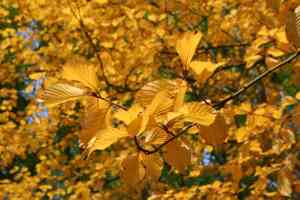
Celebrated for its decorative fruit and vibrant autumn leaves, korean mountain ash flourishes with judicious trimming. During the initial part of spring or the latter portion of winter, eliminate any lifeless or ailing wood and reduce congested limbs to improve light penetration and air movement. Measured pruning encourages robust development and preserves an appealing form. Consistently addressing water shoots and basal suckers sustains the tree's general well-being and visual charm. Precise timing guarantees reduced strain and excellent recuperation for korean mountain ash.
What Are the Benefits of Pruning Korean Mountain Ash?
What Are the Benefits of Pruning Korean Mountain Ash?
Trimming korean mountain ash promotes robust development and maintains a compact, visually appealing form. Regular cutting fosters a strong framework, reducing disease risk and optimizing vitality.
What Is the Best Time for Pruning Korean Mountain Ash?
What Is the Best Time for Pruning Korean Mountain Ash?
Pruning korean mountain ash in late winter or early spring is optimal, typically before new growth begins but after the coldest period has passed. This timing allows for shaping the plant and removing any dead or diseased wood without the threat of frost damage. Furthermore, it prevents the loss of the current year's flowers or fruit, as korean mountain ash blooms on new wood. Pruning during this dormant phase also minimizes stress on korean mountain ash, leading to more vigorous growth in the subsequent season.
What Tools Do I Need to Prune Korean Mountain Ash?
Hand Pruners
For precise cuts on small to medium-sized branches. These are perfect for making clean cuts without harming the korean mountain ash, which is crucial for its health and aesthetic appearance.
Loppers
These will manage larger branches more comfortably, offering the necessary leverage and reach to prune the korean mountain ash without tiring the gardener's hands.
Pruning Saw
When korean mountain ash has branches too thick for hand pruners and loppers, a pruning saw becomes essential. It enables easier and more controlled cutting of larger limbs.
Pole Pruners
Since korean mountain ash can grow quite tall, a pole pruner is useful for trimming out-of-reach branches. It provides the flexibility to prune without needing a ladder, thereby improving safety.
How to Prune Korean Mountain Ash
Sanitation
Disinfect all pruning tools using a solution of one part bleach to nine parts water or alcohol wipes to prevent disease transmission.
Identification
Locate dead or diseased branches on korean mountain ash by looking for signs such as discolored, withered, or brittle wood, and the absence of healthy buds or leaves.
Cutting angle
Make cuts at a 45-degree angle approximately 1/4 inch above an outward-facing bud or branch, ensuring water drains off the cut surface to lessen disease risk.
Removal
Eliminate dead branches by cutting back to their origin or to a healthy lateral branch; remove diseased branches by cutting well below the affected area to ensure complete removal of diseased tissue.
Cleanup
Gather and dispose of all pruned material away from korean mountain ash to reduce the chance of disease spread and deter pests from feeding on the debris.
Common Pruning Mistakes with Korean Mountain Ash
Over-pruning
Removing too much foliage from korean mountain ash at once can hinder its growth and reduce flowering. New gardeners often do this to quickly shape the plant, unaware it can cause stress and vulnerability to diseases.
Pruning at the wrong time
Even though the ideal season for pruning is not covered here, it's important to note that incorrect timing can disrupt korean mountain ash's growth cycle, potentially affecting its ability to thrive and bloom properly.
Using dull tools
Blunt pruning tools can create ragged cuts that take longer to heal and increase the risk of disease. Both beginners and experienced gardeners can neglect tool maintenance.
Improper cuts
Cutting too close or too far from the bud or branch collar can harm korean mountain ash. Novice gardeners sometimes make incorrect cuts that don't promote proper healing and regrowth.
Neglecting to remove dead or diseased wood
Failing to remove dead or diseased branches is a common error that can impede korean mountain ash's growth and negatively impact its overall health.
Lack of thinning
Not thinning out some interior branches can lead to poor air circulation and light penetration, which can contribute to disease and weak flowering in korean mountain ash.
Common Pruning Tips for Korean Mountain Ash
Sharp tools
Always use sharp, clean pruning shears or loppers to make clean cuts that korean mountain ash can heal from quickly and effectively.
Angle cuts
Cut branches at a 45-degree angle about 1/4 inch above an outward-facing bud to encourage healthy regrowth and prevent water from collecting on the cut surface.
Healthy branches
Focus on pruning away only dead, damaged, or diseased branches to maintain the health and structural integrity of korean mountain ash.
Natural shape
Prune korean mountain ash to preserve its natural form, avoiding excessive pruning to ensure the plant remains vibrant and produces abundant blooms.
Gradual process
Approach pruning as a gradual process over several seasons, especially for new gardeners, to avoid putting too much stress on korean mountain ash at once.
Crown thinning
Gently thin the crown to improve air circulation and light penetration, which will enhance the overall health and flowering potential of korean mountain ash.



