How to Prune Texas mountain laurel?
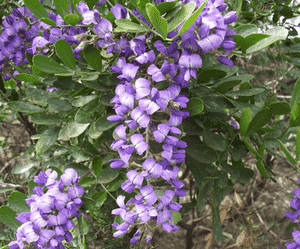
The Texas mountain laurel, an aromatic evergreen bush, showcases vibrant purple blossoms and thick leaves. Perform trimming following its bloom period in late spring to preserve its form and stimulate fresh development. Concentrate on excising deceased or impaired branches, reducing crowded sections to improve light access, and molding juvenile specimens for proper architecture. Trimming in the initial part of summer facilitates recuperation throughout the vigorous growth phase. Consistent pruning boosts floral production and deters an elongated, sparse look, guaranteeing a condensed and appealing aesthetic.
What Are the Benefits of Pruning Texas Mountain Laurel?
What Are the Benefits of Pruning Texas Mountain Laurel?
Trimming texas mountain laurel is vital for encouraging abundant blooms and strengthening its resistance to pests and diseases, ensuring a flourishing and robust specimen.
What Is the Best Time for Pruning Texas Mountain Laurel?
What Is the Best Time for Pruning Texas Mountain Laurel?
Late spring and early summer are considered ideal for pruning texas mountain laurel due to various growth cycle and health considerations. During late spring, the danger of frost has passed, reducing the chance that new growth will be harmed by cold temperatures. This allows the plant to recover and grow vigorously throughout the summer. Additionally, pruning after the flowering period, which for texas mountain laurel typically occurs in early spring, ensures that the plant's vibrant flower display is not diminished. Early summer pruning also provides time for the texas mountain laurel to mend before entering its dormant winter phase, which can help prevent illness and pest infestations. These seasons align with the texas mountain laurel's natural growth pattern, fostering healthy development and plentiful flowering for the subsequent year.
What Tools Do I Need to Prune Texas Mountain Laurel?
Hand Pruners
Hand pruners, also known as secateurs, are perfect for cutting small branches and twigs of texas mountain laurel. They deliver a clean cut, essential for maintaining plant vitality.
Lopping Shears
For somewhat larger branches typically found on texas mountain laurel, lopping shears are more suitable. Their long handles provide the leverage needed for thicker branches.
Pruning Saw
When dealing with branches exceeding an inch in diameter, a pruning saw is necessary. It enables cutting larger branches that hand pruners or lopping shears cannot manage.
Hedge Clippers
If shaping texas mountain laurel into a hedge or specific form, hedge clippers (manual or powered) are useful for trimming and shaping its dense foliage.
Pruning Gloves
Protective gloves should be worn to prevent scratches and irritation from the foliage of texas mountain laurel.
Clean Cloth
A clean cloth or rag should be used to wipe down the blades of pruning tools to prevent the spread of disease between cuts on texas mountain laurel.
Disinfectant
A disinfectant solution or rubbing alcohol should be used to sterilize the pruning tools before and after pruning texas mountain laurel to minimize disease transmission.
How to Prune Texas Mountain Laurel
Step1: Inspect and Remove Unhealthy Wood
Examine texas mountain laurel for dead, damaged, or diseased wood. This is the most crucial aspect of pruning and should be performed carefully to avoid harming the healthy parts of the plant.
Step2: Prepare and Sterilize Pruning Tools
Prepare your pruning tools. Use sharp and clean bypass pruners or loppers. Sterilize the blades with rubbing alcohol or a 10% bleach solution to prevent the spread of diseases.
Step3: Prune Dead Branches at Healthy Junction
Begin by removing dead wood. Cut dead branches at the point where they meet healthy wood. Make the cut at a 45-degree angle to facilitate healing and prevent water accumulation on the cut surface.
Step4: Cut Away Damaged Branches Cleanly
Prune damaged branches that are broken or have been harmed by weather or pests. Make clean cuts to remove the entire damaged section, cutting back to a healthy branch or bud. Do not leave stubs as these can attract pests or rot.
Step5: Deadhead Spent Flowers for Growth
Cut off old flowers to promote new growth and improve the appearance of texas mountain laurel. Snip the flower stalks close to the base of the plant or back to the nearest set of leaves.
Step6: Shape Plant with Minimal Trimming
Assess the shape of texas mountain laurel. If you're shaping the plant, make selective cuts to maintain the natural form. Do not over-prune as texas mountain laurel responds best to minimal trimming.
Step7: Thin Out for Better Air Circulation
Thin out overcrowded areas to improve air circulation. Remove some of the interior branches by cutting them at their base. This helps prevent fungal diseases by allowing more light and air to reach the center of the plant.
Step8: Clear Debris After Pruning
Clean up all pruning debris from around texas mountain laurel to prevent the spread of disease and discourage pests.
Step9: Water Deeply Post-Pruning
Water texas mountain laurel deeply after pruning to help the plant recover and encourage new growth.
Step10: Monitor Plant Health Post-Pruning
Monitor texas mountain laurel following pruning for signs of stress or disease and provide care as needed. Fertilize lightly if the plant shows signs of growth retardation.
Post-Pruning Care for Texas Mountain Laurel
Post-Pruning Care for Texas Mountain Laurel
Immediately after pruning texas mountain laurel, irrigate the plant thoroughly to reduce stress and aid in recovery. Maintain moderate light exposure to avoid sunburn on newly cut areas. Ensure ambient humidity is consistent, but not excessive, to prevent disease. In the following weeks, provide a balanced slow-release fertilizer to support new growth. Monitor texas mountain laurel regularly for signs of stress, such as yellowing leaves, or infection, indicated by unusual growths or discoloration. Should these symptoms occur, consult a plant health specialist for appropriate treatment options.
Common Pruning Mistakes with Texas Mountain Laurel
Excessive Pruning Reduces Flowering
Over-pruning which can stress texas mountain laurel and lead to reduced flowering.
Unsanitized Tools Spread Diseases
Not sanitizing pruning tools, potentially spreading diseases to texas mountain laurel.
Early Shaping Stunts Natural Growth
Pruning for shape too early in the plant's life, which can limit the growth of texas mountain laurel's attractive natural form.
Improper Cuts Harm Main Stem
Making cuts too close to the main stem, which can create wounds susceptible to pests and diseases in texas mountain laurel.
Ignoring Dead Wood Compromises Health
Neglecting to remove dead or damaged wood, inhibiting texas mountain laurel's overall health and appearance.
Common Pruning Tips for Texas Mountain Laurel
Sharp, Clean Cuts Aid Healing
Use sharp, clean tools to make precise cuts, which promote quicker healing for texas mountain laurel.
Prune for Natural Shape Enhancement
Prune to maintain natural shape, removing only necessary branches to enhance the form of texas mountain laurel.
Thin Dense Areas for Vigor and Bloom
Thin out dense areas to increase light penetration and air circulation, improving texas mountain laurel's vigor and bloom potential.
Angled Cuts Above Buds Prevent Disease
Cut at a slight angle above a bud or branch, encouraging water runoff and reducing the risk of disease in texas mountain laurel.
Prune Dead Wood for Plant Health
Regularly inspect and immediately prune away any dead, diseased, or damaged wood to maintain texas mountain laurel's health.



