How to Prune Apple mangrove?
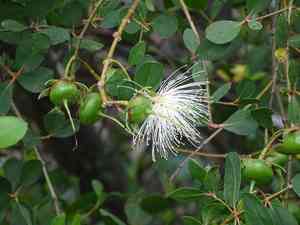
A distinctive shoreline variety, frequently identified by its characteristic breathing roots and stellate blossoms, apple mangrove flourishes with judicious trimming to preserve its form and vitality. Trim apple mangrove during the springtime, concentrating on excising lifeless or ailing branches and reducing crowded limbs to improve air circulation. Prompt trimming during this developmental phase guarantees superior wound recovery and deters insect problems. This practice not only boosts fruit yield but also fosters a sturdy root network crucial for its marshy environment.
What Are the Benefits of Pruning Apple Mangrove?
What Are the Benefits of Pruning Apple Mangrove?
Trimming apple mangrove promotes a more plentiful yield by encouraging the development of fruit-bearing limbs. It also boosts vitality, ensuring apple mangrove stays strong and thriving. Regular shaping maintains apple mangrove's dimensions, improving its look and facilitating better air circulation, which can lower disease occurrence.
What Is the Best Time for Pruning Apple Mangrove?
What Is the Best Time for Pruning Apple Mangrove?
Spring is the ideal period for trimming apple mangrove as it's a time of vigorous growth for the plant. Pruning during this season allows apple mangrove to recover quickly and channel its energy into producing new growth and maintaining strength. Post-winter pruning removes any potential cold damage that may have occurred, enabling the plant to mend and rejuvenate more effectively. Additionally, pruning before the start of the wet season allows cuts to dry and heal properly, reducing the risk of fungal or bacterial infections. This timing also avoids disrupting the plant's flowering or fruiting cycles, which are vital for the survival of local ecosystems where apple mangrove typically plays a significant ecological role.
What Tools Do I Need to Prune Apple Mangrove?
Bypass Pruners
These pruners are suitable for making precise cuts on apple mangrove's young branches and leaves due to their ability to create clean cuts without crushing plant tissues. Ideal for branches up to ½ inch in diameter.
Loppers
For slightly thicker branches of apple mangrove, typically up to 1 ½ inches in diameter, loppers offer a good balance between the cutting power of pruners and saws. Their long handles provide leverage to make cutting easier.
Pruning Saw
In case apple mangrove has matured and developed thicker branches, a pruning saw is necessary for branches over 1 ½ inches thick. They allow for controlled cuts that help avoid damaging the plant.
Pole Pruner
Given that apple mangrove can grow to considerable heights, a pole pruner may be necessary for reaching and safely pruning higher branches without the need for a ladder.
How to Prune Apple Mangrove
Clean tools
Before pruning apple mangrove, sterilize pruning tools using a solution of bleach or alcohol to prevent the spread of disease.
Dead branches
Carefully remove dead branches from apple mangrove by cutting at the point where they join healthy tissue, using sharp, clean pruning shears. Make the cut smoothly to avoid tearing the bark.
Diseased branches
Identify and remove diseased branches from apple mangrove, cutting well below the affected area. Collect and dispose of all diseased material to prevent the infection from spreading.
Shape
Thin out overcrowded areas of apple mangrove to shape the plant and improve air circulation. This action helps to reduce the potential for disease.
Wound care
Apply a wound dressing or pruning sealant to large cuts of apple mangrove to protect the exposed tissue from pests and pathogens.
Common Pruning Mistakes with Apple Mangrove
Overpruning
Removing too much foliage at once can stress apple mangrove, potentially leading to stunted growth or even plant death.
Improper cutting technique
Making jagged or torn cuts can create entry points for pests and diseases, harming apple mangrove's health.
Using dull tools
Dull pruning tools can damage apple mangrove's branches, leading to improper healing and increased risk of disease.
Removal of healthy tissue
Unnecessarily cutting away healthy branches and leaves can reduce apple mangrove's ability to photosynthesize and thrive.
Pruning without a plan
Random or unplanned pruning can result in an undesirable growth pattern and may inhibit apple mangrove's natural shape.
Common Pruning Tips for Apple Mangrove
Sharp and clean tools
Always use sharp, clean tools to make precise cuts, which help apple mangrove heal faster and reduce disease risk.
Diagnol cuts above buds
Make diagonal cuts above outward-facing buds to encourage outward growth and prevent water accumulation that could lead to rot.
Thinning rather than topping
Focus on thinning out dense areas to improve air circulation, rather than just cutting the tops off branches, which can lead to weak, spindly growth.
Sequential pruning
For larger branches, use the three-cut technique to prevent bark tearing: a notch cut underneath, a relief cut further out, then a final cut at the branch collar.
Disinfect pruning tools
Disinfect tools between cuts to prevent spreading diseases from infected parts of apple mangrove to healthy areas.



