How to Prune Goldenrod?
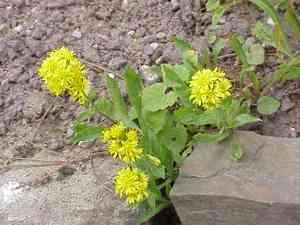
A robust perennial, goldenrod thrives with its yellow floral groupings, perfectly suited for naturalized garden settings. Essential trimming methods involve removing faded blossoms to stimulate further flowering and reducing foliage after blooming to revitalize development. The most effective time for pruning is in late spring and continuing through summer, aligning with its flowering period. Trimming this variety can deter self-propagation and foster more compact foliage, crucial for preserving an orderly garden aesthetic. Proper pruning additionally enhances the plant's strength and lifespan.
What Are the Benefits of Pruning Goldenrod?
What Are the Benefits of Pruning Goldenrod?
Trimming goldenrod promotes stronger, more organized development, ensuring the plant stays robust and visually pleasing.
What Is the Best Time for Pruning Goldenrod?
What Is the Best Time for Pruning Goldenrod?
Pruning goldenrod in spring coincides with its post-winter growth spurt, allowing the plant to direct energy into healthy shoots and more flowers. Early summer pruning, after blooming, helps maintain its form, prevents self-seeding if desired, and can encourage a second flush of blooms in some types. This timing avoids stressing goldenrod during peak summer heat and prepares it for winter dormancy. Consistent pruning during these periods also removes dead or diseased parts, boosting overall plant health and air circulation, which can lower pest and disease risk.
What Tools Do I Need to Prune Goldenrod?
Hand Pruners (Secateurs)
Perfect for cutting through goldenrod's relatively thin stems, ensuring precise, clean cuts that foster healthy regrowth.
Pruning Shears (Scissors)
Suitable for snipping off faded flowers and shaping goldenrod, allowing for more detailed work.
Gloves
Essential for protecting hands from goldenrod's rough foliage during pruning, ensuring gardener safety.
How to Prune Goldenrod
Inspect
Carefully examine goldenrod to identify any diseased or withered leaves, as well as any affected stems that require removal.
Disinfect
Before beginning, ensure pruning tools are clean and disinfected to prevent disease transmission during the pruning process.
Remove Leaves
Gently trim away any diseased or withered leaves from goldenrod using sharp scissors or pruning shears, making clean cuts close to the stem to avoid damage.
Cut Stems
For any diseased stems on goldenrod, make a clean cut with sharpened pruning shears just above a healthy leaf node or the plant's base, ensuring the entire affected area is removed.
Cleanup
After pruning is finished, remove all goldenrod cuttings from the area to prevent disease spread and promote a healthy growing environment.
Common Pruning Mistakes with Goldenrod
Overpruning
Cutting back more than one-third of goldenrod's foliage. This can stress the plant and diminish its vigor.
Shearing
Uniformly trimming goldenrod instead of selectively thinning stems, which can result in a less natural shape and reduced air circulation within the plant.
Blunt Tools
Using dull or blunt pruning tools that can harm goldenrod's stems and potentially introduce disease.
Random Cuts
Making arbitrary or improper cuts without understanding goldenrod's growth habit can lead to uneven or stunted development.
Neglecting Deadheading
Failing to remove spent blooms from goldenrod, which can reduce the appearance of new flowers and lead to seeding if not desired.
Common Pruning Tips for Goldenrod
Selective Pruning
Selectively remove older, woody stems from goldenrod's base to encourage new growth and maintain a healthy form.
Clean Cuts
Ensure cuts are clean and made at a 45-degree angle just above a leaf node or bud to promote effective healing and new growth.
Tool Maintenance
Regularly maintain sharpness and cleanliness of pruning tools to support healthy pruning of goldenrod.
Consistent Deadheading
Regularly deadhead goldenrod by removing spent flower stalks to encourage further blooming and prevent unwanted seeding.
Light Thinning
Practice light thinning rather than severe cutting back; this helps maintain goldenrod's shape and invites sunlight and air circulation.



