How to Prune Prairie goldenrod?
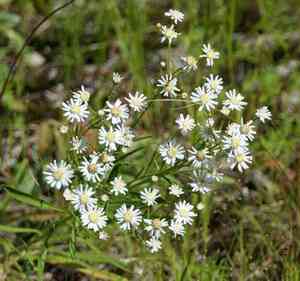
A perennial indigenous to North America, prairie goldenrod is recognized for its erect habit and vibrant yellow blossoms. Trimming should concentrate on eliminating faded blooms to stimulate further flowering and reducing any congested sections for superior air movement. The ideal periods for pruning are in spring to sculpt the plant, throughout summer for deadheading, and in autumn to reduce the foliage. This practice can boost the plant's robustness and deter seed production if propagation is not intended.
What Are the Benefits of Pruning Prairie Goldenrod?
What Are the Benefits of Pruning Prairie Goldenrod?
Trimming prairie goldenrod promotes more abundant flowering and helps maintain its desired shape. Consistent cutting back aids prairie goldenrod in developing more vigorously, ensuring a tidy look and optimal health.
What Is the Best Time for Pruning Prairie Goldenrod?
What Is the Best Time for Pruning Prairie Goldenrod?
Pruning in late winter or early spring, prior to new growth, allows prairie goldenrod to recover swiftly and direct energy into developing robust, healthy new shoots. This timing prevents the loss of current year's blooms, as prairie goldenrod flowers on new wood. Late summer pruning is ideal after prairie goldenrod has flowered, enabling the gardener to remove spent blossoms and shape the plant without affecting the next season's growth cycle or flower production.
What Tools Do I Need to Prune Prairie Goldenrod?
Hand Pruners
Perfect for making precise cuts on prairie goldenrod's stems, hand pruners are easy to use and can cut through stems up to 1/2 inch in diameter. They are excellent for deadheading spent blooms and shaping the plant.
Pruning Shears
Prairie goldenrod may need thinning to enhance air circulation. Pruning shears allow for quick, clean cuts on stems and small branches, helping to maintain the plant's health and appearance.
Gardening Gloves
When trimming prairie goldenrod, gardening gloves protect hands from thorns and rough stems, ensuring a safe gardening experience.
Pruning Saw
If prairie goldenrod's stems exceed 3/4 inch in thickness, a pruning saw can simplify the task of cutting back without harming the stems.
How to Prune Prairie Goldenrod
Disinfect tools
Before beginning, sanitize pruning shears or scissors with rubbing alcohol or a 10% bleach solution to prevent disease spread to prairie goldenrod.
Remove diseased leaves
Gently trim away diseased leaves from prairie goldenrod, being careful not to tear or damage healthy parts of the plant. Make clean cuts to promote quick healing.
Trim withered leaves
Cut off withered leaves at their base where they connect to the main plant stem. This helps prairie goldenrod conserve energy and direct it towards new growth.
Cut withered flowers
Remove withered flowers by cutting the flower stem just above the first set of healthy leaves. This deadheading encourages prairie goldenrod to produce more blooms and maintain vigor.
Cleanup
Gather all pruned material and dispose of it away from prairie goldenrod to prevent any potential disease spread and to keep the growing area clean.
Common Pruning Mistakes with Prairie Goldenrod
Overpruning
Removing too much foliage from prairie goldenrod can stress the plant and harm its natural shape, leading to weaker growth and fewer blooms.
Blunt tools
Using dull or unclean pruning tools can result in jagged cuts, making prairie goldenrod more susceptible to disease and pests.
Tearing stems
Improperly handling or cutting the stems of prairie goldenrod may lead to tears, which do not heal cleanly and can invite disease.
Clipping blindly
Randomly cutting prairie goldenrod without understanding its growth pattern can result in an imbalanced plant and reduce its overall aesthetic appeal.
Ignoring deadheads
Failing to remove spent flowers ('deadheading') can prevent prairie goldenrod from producing new blooms, as it may focus energy on seed production.
Common Pruning Tips for Prairie Goldenrod
Clean cuts
Ensure you use sharp, clean pruning shears to make clean cuts that heal quickly and reduce the risk of disease.
Prune to node
Cut back to a leaf node or set of leaves, ensuring that each snip encourages prairie goldenrod to branch out and become fuller.
Thin center
Thin out the center of prairie goldenrod to improve air circulation and light penetration, which are vital for preventing fungal diseases.
Shape maintenance
Regularly prune prairie goldenrod to maintain its natural form, removing any erratic growth or branches that spoil its symmetry.
Deadhead regularly
Regularly remove spent flowers from prairie goldenrod to encourage continuous blooming and prevent the plant from wasting energy on seed production.



