How to Prune Early goldenrod?
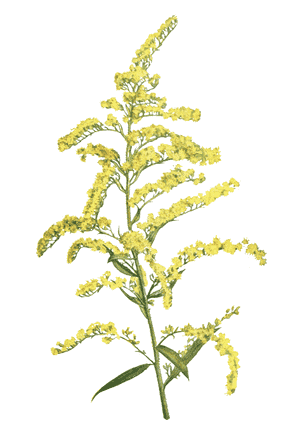
A perennial herb recognized for its brilliant yellow flowers, early goldenrod flourishes in abundant sunlight and adequately drained ground. Trimming is crucial immediately following the initial flowering in late summer to encourage a subsequent bloom and preserve its form. Removing spent flowers fosters vigorous development and inhibits self-propagation. To guarantee vitality, trim the entire plant in spring, precisely when fresh shoots emerge. This schedule prevents interference with the blooming period and keeps early goldenrod revitalized for peak display.
What Are the Benefits of Pruning Early Goldenrod?
What Are the Benefits of Pruning Early Goldenrod?
Trimming early goldenrod promotes vigorous development and maintains its desired shape. This timely action fosters a compact, healthier plant with increased vitality, ensuring its success in your garden.
What Is the Best Time for Pruning Early Goldenrod?
What Is the Best Time for Pruning Early Goldenrod?
The optimal period for pruning early goldenrod is late spring to early summer, coinciding with its post-bloom phase. Pruning at this time encourages robust growth and readies the plant for its subsequent flowering cycle. Trimming after blooming helps sustain plant vigor and form without affecting future flowers. Additionally, this timing allows for the removal of spent blossoms, which can improve the plant's look and prevent unnecessary energy expenditure on seed creation. It's crucial to avoid late summer or fall pruning, as this might stimulate new growth that may not harden off before winter, potentially harming the plant.
What Tools Do I Need to Prune Early Goldenrod?
Bypass Pruners
Perfect for making clean cuts on the relatively slender stems of early goldenrod without crushing plant tissue, which can foster optimal plant health and recovery after pruning.
Gloves
Essential for protecting the gardener's hands from scratches and potential irritants while pruning early goldenrod.
Garden Shears
Useful for shaping early goldenrod or managing larger sections of the plant with ease, ensuring a uniform appearance.
How to Prune Early Goldenrod
Deadhead
Identify and remove early goldenrod's faded flowers by cutting them back to the nearest leaf cluster. This encourages continuous blooming and prevents unwanted self-seeding.
Cleardeadstems
Cut back any dead stems of early goldenrod to ground level to maintain good air circulation and reduce disease risk. Use sharp, clean pruners.
Controlgrowth
Prune woody stems of early goldenrod to shape the plant and control its spread. Trim these stems by cutting at a 45-degree angle above a leaf node or bud to encourage new growth.
Cleanup
Gather and remove all trimmings from around early goldenrod to prevent disease and deter pests.
Inspect
After pruning, examine early goldenrod for signs of stress or damage and ensure it has a balanced shape and structure.
Common Pruning Mistakes with Early Goldenrod
Over-Pruning
Removing too much foliage can stress early goldenrod, hindering its ability to photosynthesize effectively and limiting its reserves for growth and flowering.
Under-Pruning
Being too conservative when pruning may not sufficiently stimulate new growth, amounting in a leggy and unsightly appearance for early goldenrod.
Incorrect Cuts
Making improper cuts or tearing stems can create open wounds prone to disease and pest intrusion. Clean, angled cuts just above leaf nodes encourage healthy regrowth.
Tool Neglect
Using dull or dirty pruning tools can damage early goldenrod's tissues, creating irregular cuts that heal poorly and increase the risk of disease.
Common Pruning Tips for Early Goldenrod
Selective Thinning
Remove only the oldest and most overgrown stems, which encourages early goldenrod to develop fuller and more robust new growth.
Height Reduction
If controlling height is necessary, cut back no more than one-third of early goldenrod's total height to maintain a natural appearance while encouraging new buds.
Deadheading
Regularly remove spent blooms to promote further flowering and prevent early goldenrod from focusing energy on seed production rather than vegetative growth.
Post-Flowering Pruning
Once early goldenrod has bloomed, itâs beneficial to cut back the flowered stems to a strong set of leaves to tidy the plant and encourage a second flush of growth.



