How to Prune Currant tomato?
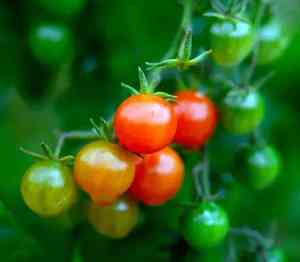
The currant tomato, recognized for its diminutive, palatable fruits, flourishes with precise trimming. Essential methods involve excising suckers and basal foliage to enhance air movement and light penetration. The most suitable periods for pruning are late spring, all through summer, and early autumn. Consistent trimming fosters more robust development and boosts fruit production. Always sterilize implements to avert the dissemination of pathogens. This regimen not only promotes energetic growth but also elevates the fruit's caliber in currant tomato.
Advantages of Trimming Currant Tomato
Advantages of Trimming Currant Tomato
Trimming currant tomato promotes vigorous development and maintains its compact form, essential for small gardens or containers. It enhances air circulation and sun exposure, lowering disease risks and encouraging abundant fruit production.
Optimal Time for Trimming Currant Tomato
Optimal Time for Trimming Currant Tomato
For the plant 'currant tomato', the best pruning periods are Spring, Summer, and Fall. Pruning in Spring, right after the last frost, helps stimulate new growth and allows the plant to direct energy into developing strong new shoots that will eventually bear fruit. Summer pruning, mainly light trimming, is vital for maintaining plant shape and removing any unproductive or overly vigorous growth, which improves air circulation and light penetration, crucial for fruiting. Finally, Fall pruning, focusing on removing spent or diseased foliage and branches, prepares currant tomato for healthier dormancy and reduces pest and disease risks, ensuring a robust start in the next growing cycle.
Tools Required for Pruning Currant Tomato
Hand Pruners (secateurs)
Perfect for making precise cuts on currant tomato, especially useful for smaller or medium-sized stems. These allow for accurate, clean cuts that encourage healthy regrowth and are key for maintaining an ideal plant shape.
Pruning Shears
Effective for trimming and shaping currant tomato as they can handle thicker stems than hand pruners. Their extended handles offer greater reach and leverage, which is beneficial for accessing difficult branches.
Garden Scissors
Useful for fine-tuning and detailed work on currant tomato's small, dense foliage. These scissors enable meticulous pruning close to the main stem, helping prevent overcrowding and ensuring ample air circulation.
How to Prune Currant Tomato
Identify
Locate and inspect currant tomato's withered leaves. Carefully examine each stem to find leaves that appear yellow, brown, or otherwise unhealthy. These are typically older leaves that may have naturally aged or been affected by insufficient light, pests, or disease.
Preparation
Prepare the appropriate tools for pruning currant tomato. Use sharp, clean pruning shears or scissors. Sanitize the blades before use with rubbing alcohol or a bleach solution to prevent the spread of pathogens.
Clean cut
Make clean cuts to remove the withered leaves. Cut the leaf stem where it connects to the main stem, leaving as little stump as possible to promote better healing and reduce the risk of disease entry. Avoid tearing the leaves as this can cause damage to currant tomato's tissue.
Dispose
Properly dispose of the removed leaves. Do not leave fallen or pruned leaves near currant tomato, as they can harbor diseases or pests. It's best to remove them from the area and compost or discard them responsibly.
Monitor
After pruning, observe currant tomato for health and growth. Check regularly for new signs of withered leaves and repeat the pruning process as needed. Healthy pruning will help currant tomato focus its energy on producing more foliage and potentially more fruit.
Common Pruning Errors with Currant Tomato
Excessive pruning
Removing too much foliage at once can stress currant tomato, hindering its ability to photosynthesize effectively and produce a strong yield.
Incorrect cut placements
Cutting too close to the fruit clusters or too far from branching points can lead to damage and potential fungal infections. It's vital to make cuts just above leaf nodes.
Neglecting tool hygiene
Using unsanitized pruning tools can introduce diseases to currant tomato from other plants. This oversight is common but preventable with regular cleaning and disinfecting of tools.
Ignoring plant structure
Beginner gardeners often overlook the importance of currant tomato's natural growth habit. Pruning without understanding whether a branch contributes to the plantâs overall health and productivity can reduce fruit size and quality.
General Pruning Advice for Currant Tomato
Determinate vs indeterminate
Currant tomato is typically an indeterminate plant, meaning it continues to grow and produce fruit throughout the season. Regularly trimming the top shoots can help manage its size and direct energy toward fruiting.
Focus on airflow
Removing some internal branches and leaves can enhance air circulation. This practice helps prevent diseases and allows sunlight to reach the inner parts of the plant, promoting healthier growth.
Encourage fruiting
Pinching off the tips of the main stems once currant tomato has set a good amount of fruit can encourage it to focus its energy on the existing fruit rather than producing more foliage.
Selective pruning
Target the removal of suckers that do not bear fruit. This directs more nutrients to the fruit-bearing branches, enhancing both the quantity and quality of the tomatoes.



