How to Prune Twoleaf nightshade?
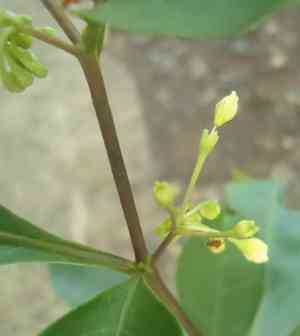
Recognized for its dark green leaves and tiny yellow berries, Solanum diphyllum thrives with trimming to preserve its form and stimulate robust development. Perform pruning in late winter or early spring, prior to the emergence of new shoots. Eliminate any dead or ailing branches, thin out crowded areas to enhance air movement, and shorten excessively long portions to foster a more contained structure. Consistent pruning additionally helps avert the potential dissemination of plant toxicity, given that all components are harmful if consumed.
What Are the Benefits of Pruning Twoleaf Nightshade?
What Are the Benefits of Pruning Twoleaf Nightshade?
Trimming twoleaf nightshade promotes robust development by eliminating dead or crowded branches, enhancing air circulation and light exposure. It helps preserve the desired form, preventing twoleaf nightshade from becoming leggy or overgrown.
What Is the Best Time for Pruning Twoleaf Nightshade?
What Is the Best Time for Pruning Twoleaf Nightshade?
Trimming twoleaf nightshade in late winter or early spring is optimal as these periods typically mark the end of dormancy and the start of active growth. This timing allows the plant to recover quickly from cuts before the rapid growth phase of spring. Pruning in late winter also reduces the risk of pest and disease infestation, as many pests are less active during colder months. Timing the pruning before the spring growth spurt ensures that the plant's energy is directed towards producing new, healthy growth rather than sustaining unnecessary or damaged branches. Additionally, removing any dead or diseased material during this window lessens the likelihood of infection spreading as the plant enters a period of vigorous activity. Avoiding pruning during flowering or fruiting ensures that twoleaf nightshade can complete its natural cycle of bloom and fruit production without interruption.
What Tools Do I Need to Prune Twoleaf Nightshade?
Hand Pruners
Perfect for twoleaf nightshade's slender stems and branches, enabling precise cuts without harming the plant.
Pruning Shears
Useful for shaping twoleaf nightshade and managing its size; shears are excellent for quick cuts.
Loppers
Helpful for reaching into twoleaf nightshade's denser areas, providing leverage to cut through thicker stems if needed.
Pruning Saw
Though not usually necessary, a fine-toothed pruning saw can be useful for twoleaf nightshade's older or woody stems that are too thick for hand pruners.
Gloves
To safeguard hands from twoleaf nightshade's thorny parts, wear sturdy gloves while pruning.
Garden Sanitizer
To prevent the spread of illness, disinfect tools before and after trimming twoleaf nightshade.
How to Prune Twoleaf Nightshade
Sterilize Tools
Before trimming twoleaf nightshade, disinfect pruning tools with alcohol or a bleach solution to prevent disease transmission.
Remove Diseased Leaves
Carefully snip off diseased leaves from twoleaf nightshade using sharp, clean shears, cutting at the base of the leaf stem to avoid leaving stubs that could harbor pests or diseases.
Cut Withered Leaves
Identify and remove withered leaves from twoleaf nightshade, ensuring cuts are clean to promote rapid healing and maintain the plant's appearance.
Pruning Dead Branches
Remove dead branches by making cuts at a 45-degree angle just above a leaf node or lateral branch, ensuring not to damage the main stem of twoleaf nightshade.
Eliminate Diseased Branches
Trim any diseased branches from twoleaf nightshade similarly to dead branches, making sure to cut well below the affected area to remove all parts of the diseased tissue.
Common Pruning Mistakes with Twoleaf Nightshade
Overpruning
Removing too much growth at once can stress twoleaf nightshade, leading to weak development and reduced vigor. New gardeners often assume more trimming yields better results, which is incorrect.
Blunt Tools
Using dull or dirty pruning tools can harm the stems of twoleaf nightshade, resulting in jagged cuts that are more prone to disease. Precision and tool upkeep are crucial for both new and experienced gardeners.
Incorrect Cut Placement
Cutting too far from the node can leave a stub that risks disease, and cutting too close can damage the budding node. Accurate cut placement is vital for proper healing and growth.
Ignoring Diseased Material
Failing to remove diseased or dead material can impede twoleaf nightshade's health. Gardeners of any skill level should prioritize removing unhealthy growth to maintain plant vitality.
Neglecting Sanitization
Not sterilizing tools between cuts, especially when working with diseased plants, can spread pathogens. Regular sanitization is essential for plant health management.
Common Pruning Tips for Twoleaf Nightshade
Selective Pruning
Focus on removing only the necessary parts of twoleaf nightshade, such as dead or damaged branches, to maintain plant shape and encourage stronger growth.
Clean Cuts
Ensure pruning cuts are clean and made at a 45-degree angle just above a leaf node to promote healing and prevent water accumulation that can lead to rot.
Tool Sharpening
Keep pruning tools sharp and clean. Well-maintained tools make precise, clean cuts that heal faster and are less likely to introduce disease.
Perennial Rejuvenation
Prune twoleaf nightshade with the goal of rejuvenating the plant every few years to encourage fresh growth and extended longevity, while being careful to retain the plant structure for future growth.
Balanced Structure
Aim for a balanced structure when pruning twoleaf nightshade, removing crossing branches and opening the center of the plant for better air circulation and light penetration.



