How to Prune Tamarillo?
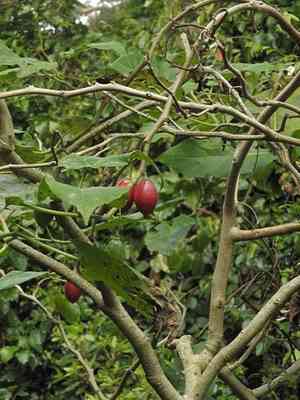
The tamarillo, a arboreal shrub recognized for its ovoid, palatable fruits, significantly thrives with proper trimming. Essential methods involve removing aged and barren branches, and shortening main stems to encourage side shoots. Perform tamarillo pruning in the springtime to facilitate recuperation throughout the primary growth period. This practice enhances light exposure and airflow, leading to increased fruit production and superior quality. Exercise appropriate care to preserve the plant's framework without excessive trimming, as this might diminish its capacity to bear fruit.
What Are the Benefits of Pruning Tamarillo?
What Are the Benefits of Pruning Tamarillo?
Trimming tamarillo encourages greater fruit yield and robust development, ensuring a plentiful harvest. It also aids in maintaining a manageable form and size for the plant, enhancing garden aesthetics and ease of care.
What Is the Best Time for Pruning Tamarillo?
What Is the Best Time for Pruning Tamarillo?
Pruning tamarillo in early spring is recommended as this period allows the plant to recuperate and channel energy into new growth before its active growing season begins. Early spring pruning ensures that any winter frost damage is removed, reducing the risk of illness and pests. Furthermore, this timing prevents the loss of the current season's flowers and fruit, as tamarillo blooms on new wood. Pruning during this season helps preserve the plant's structure, promote denser growth, and boost fruit production for the upcoming season.
What Tools Do I Need to Prune Tamarillo?
Hand Pruners
Crucial for making precise cuts on smaller branches and stems. Tamarillo's growth pattern necessitates regular trimming to encourage fruiting and keep a manageable size. Hand pruners should be sharp and bypass-style to avoid crushing plant tissue.
Lopping Shears
Perfect for cutting through thicker branches that hand pruners cannot manage. Since tamarillo can have branches too thick for hand pruners, lopping shears will ensure these larger cuts are made efficiently and cleanly without harming the plant.
Pruning Saw
Essential for removing any large, woody stems or branches. Tamarillo may occasionally require the removal of mature branches to improve air circulation or eliminate dead wood, and a pruning saw would be the appropriate tool for this task.
Gloves
Protective gloves should be worn to shield hands from thorns and plant sap, which might irritate the skin during the pruning process of tamarillo.
Pruning Sealant
While generally not advised for pruned areas, in specific conditions where tamarillo is susceptible to infection or pest issues, a suitable food-safe pruning sealant might be applied to large wounds to assist in healing and protect against disease.
How to Prune Tamarillo
Sanitization
Disinfect all pruning tools with isopropyl alcohol or a 10% bleach solution to prevent disease transmission when trimming tamarillo.
Identification
Carefully inspect tamarillo to pinpoint and mark dead or diseased branches that need removal. These are typically dry, brittle, and may show discoloration.
Cutting Angle
Trim dead or diseased branches by cutting them at a 45-degree angle with sharp, sanitized pruning shears, ensuring the cut is clean and just above a healthy bud or lateral branch.
Disposal
Promptly discard the removed dead or diseased branches in a way that prevents the potential spread of any pathogens, such as burning or removal from the garden site.
Wound Care
If large branches are removed, apply a thin layer of pruning sealant or wound paste to protect the exposed wood on tamarillo from pests and diseases.
Common Pruning Mistakes with Tamarillo
Over-Pruning
Removing too much foliage from tamarillo at once can stress the plant, leading to reduced fruit production and increased vulnerability to diseases.
Pruning Too Early
Trimming tamarillo before it establishes a strong framework may result in a weak structure and poor fruiting.
Ignoring Diseased Or Damaged Branches
Failing to remove dead or diseased wood can invite pests and spread diseases throughout tamarillo.
Cutting Too Close
Cutting branches too close to the main stem can cause damage and impede the healing process of tamarillo.
Leaving Stubs
Leaving branch stubs rather than cutting cleanly above a growth node can hinder tamarillo's ability to heal and lead to dieback.
Common Pruning Tips for Tamarillo
Selective Thinning
Thin out crowded branches to improve air circulation and light penetration, ensuring a healthier and more productive tamarillo.
Maintain Structure
Focus on shaping tamarillo by removing only the necessary branches, thereby maintaining a strong framework for fruiting.
Clean Cuts
Make clean, angled cuts just above leaf nodes or lateral branches to promote faster healing and prevent disease entry in tamarillo.
Sterilize Tools
Always use sharp, sterile pruning tools to minimize the risk of transmitting diseases to tamarillo.
Post-Pruning Care
After pruning tamarillo, provide adequate care by watering appropriately and applying a suitable fertilizer to support recovery and growth.



