How to Prune Sloanea?
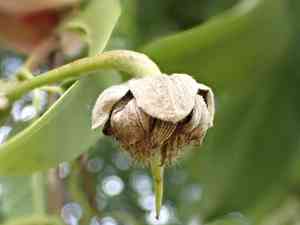
Distinguished by its vigorous development and hardiness, sloanea thrives with consistent trimming to preserve its well-being and strength. Essential methods involve reducing dense branches and eliminating deceased or compromised wood to foster robust, fresh development. The most effective pruning should occur from late winter to early spring, coinciding with the plant's inactive phase to lessen strain and optimize recuperation. Trimming improves light access and air movement, crucial for sloanea's extended lifespan and flower yield.
What Are the Benefits of Pruning Sloanea?
What Are the Benefits of Pruning Sloanea?
Trimming sloanea promotes robust development and maintains its form. Strategic cuts encourage new, healthy branches and leaves, boosting plant vitality. Regular trimming manages size, ensuring sloanea fits its allocated space, and contributes to an attractive appearance.
What Is the Best Time for Pruning Sloanea?
What Is the Best Time for Pruning Sloanea?
Pruning sloanea in late winter or early spring is optimal, as this period coincides with the end of dormancy and just before the active growth phase begins. This allows the gardener to remove any dead or diseased wood without harming the plant's new growth, as vital energy resources have not yet been spent on spring development. Additionally, this timing helps ensure that any cuts made will heal quickly with the surge of new growth in spring, reducing the risk of disease and stress on the plant. Moreover, pruning before spring growth starts helps direct the plant's energy into producing a more desirable shape and healthier, stronger branches that can support the weight of fruits and flowers. Pruning outside these seasons, especially during full foliage or active growth periods, can divert resources from essential growth and potentially expose sloanea to unnecessary stress or diseases.
What Tools Do I Need to Prune Sloanea?
Hand Pruners
Perfect for making precise cuts on sloanea's smaller branches. Opt for bypass pruners over anvil-style for a cleaner cut that aids in better healing.
Loppers
Suitable for cutting through sloanea's thicker branches, up to 2 inches in diameter. The long handles provide leverage for easier cutting.
Pruning Saw
Essential for sloanea's mature branches too thick for hand pruners and loppers. A curved blade saw can simplify reaching branches within the canopy.
Pole Pruner
Useful for safely trimming out-of-reach branches on sloanea, without needing ladders, ensuring both gardener safety and plant health.
Gardening Gloves
To shield hands from thorns and rough bark while pruning sloanea. Appropriate gloves also enhance tool grip.
Pruning Shears
For quick snips and shaping of sloanea's smaller branches and foliage. They provide a clean cut, crucial for maintaining plant health.
How to Prune Sloanea
Clean tools
Clean and sanitize pruning tools to prevent the spread of diseases to sloanea.
Inspect plant
Examine sloanea for any dead, diseased, or damaged branches, which are often dry, brittle, and discolored.
Cut diseased branches
Using sharpened tools, cut diseased branches back to healthy wood, making clean cuts just above a lateral branch or bud.
Remove dead branches
Remove dead branches by cutting at the point where they meet healthy tissue, ensuring not to damage the branch collar.
Dispose diseased material
Properly dispose of the removed diseased material away from sloanea to prevent reinfection.
Common Pruning Mistakes with Sloanea
Overpruning
Removing too much foliage at once can stress sloanea, weakening the plant and reducing its vigor.
Improper cut location
Cutting too far from a bud or branch junction can leave a stub that risks disease entry and poor healing in sloanea.
Dull tools
Using tools that are not sharp can create jagged cuts that are more prone to infection and do not heal well, damaging sloanea's health.
Flush cuts
Making flush cuts against the trunk or main branches can remove the branch collar, leading to improper wound healing and potential entry of diseases for sloanea.
Neglecting to clean tools
Failing to clean tools before and after use can spread diseases from other plants to sloanea.
Common Pruning Tips for Sloanea
Sharp clean tools
Use sharp and sanitized pruning tools to make clean cuts that heal quickly, minimizing stress and disease risk to sloanea.
Gradual pruning
Prune gradually, aiming to remove no more than a quarter of the total foliage during a pruning session to avoid over-stressing sloanea.
Diagonal cuts
Make diagonal cuts above outward-facing buds to encourage outward growth and prevent water accumulation on the cut surface, which is beneficial for sloanea.
Thin out not shear
Focus on thinning out crowded branches to improve light penetration and air circulation for sloanea rather than shearing, which can promote dense outer growth that shades the interior.
Remove dead damaged
Regularly remove dead, damaged, or diseased branches to maintain sloanea's health and shape, cutting back to healthy tissue to promote healing.



