How to Prune Western blue-eyed grass?
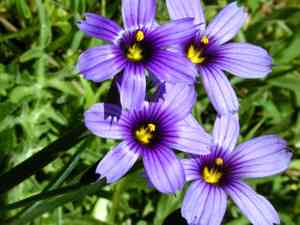
Sisyrinchium bellum, recognized for its stellar blue blossoms and slender leaves, thrives with consistent trimming to eliminate spent or withered blooms and preserve its dense form. Trimming can be performed at any point, given that Sisyrinchium bellum is robust and tolerates being cut back year-round. Removing spent flowers post-bloom fosters a neater look and might stimulate additional flowering. Cut back aged foliage in late winter or early spring to facilitate the emergence of fresh growth.
What Are the Benefits of Pruning Western Blue-eyed Grass?
What Are the Benefits of Pruning Western Blue-eyed Grass?
Trimming western blue-eyed grass promotes more abundant flowering and a robust growth habit. Through selective cutting, gardeners can preserve the plant's compact form, leading to a tidy and visually appealing look.
What Is the Best Time for Pruning Western Blue-eyed Grass?
What Is the Best Time for Pruning Western Blue-eyed Grass?
The specified periods are optimal for trimming western blue-eyed grass because it is a perennial that enters a dormant state in colder months. Pruning at this time minimizes plant stress, as it is not actively growing. Late fall to early spring pruning also prepares western blue-eyed grass for vigorous growth when the season begins, maximizes its flowering potential, and helps maintain plant health by removing any dead or diseased foliage.
What Tools Do I Need to Prune Western Blue-eyed Grass?
Bypass Pruners
Bypass pruners are perfect for making clean cuts on the slender foliage and flower stalks of western blue-eyed grass. Their scissor-like action allows precise control, which is necessary to maintain the plant's clump-forming habit without harming healthy tissues.
Garden Scissors
Garden scissors can be utilized for shaping and thinning western blue-eyed grass. Their smaller blades offer accuracy during the pruning process, especially when reaching into dense clumps without damaging the plant's base.
Hand Shears
Hand shears offer an option for trimming back the entire plant if necessary. This can be useful for cutting back old foliage at the end of the season or for shaping the outer edges of western blue-eyed grass clumps.
How to Prune Western Blue-eyed Grass
Clean pruning tools
Sanitize shears or scissors before beginning to prevent the spread of disease when trimming western blue-eyed grass.
Remove diseased parts
Carefully snip away diseased leaves and branches from western blue-eyed grass, ensuring cuts are clean and as close to the base of the affected area as possible to encourage healthy regrowth.
Trim withered elements
Cut off withered leaves and spent flower stems at their base to maintain western blue-eyed grass's aesthetic appeal and redirect energy to healthy growth.
Clear dead branches
Cut back any dead branches to the point where they join healthy wood, allowing for better air circulation and light penetration within western blue-eyed grass.
Shape plant
Shape western blue-eyed grass by selectively trimming overgrown areas to maintain a balanced appearance while being careful not to over-prune, as this can stress the plant.
Common Pruning Mistakes with Western Blue-eyed Grass
Over-pruning
Removing too much foliage can harm western blue-eyed grass, as it may lead to reduced vigor and fewer flowers. It's important to prune moderately, maintaining the natural shape of the plant.
Improper cutting technique
Using dull or dirty tools can damage western blue-eyed grass's delicate stems and introduce disease. Clean, sharp pruning shears should be used to make clean cuts without crushing the plant's tissues.
Pruning without a goal
Pruning western blue-eyed grass haphazardly without understanding its growth pattern can lead to undesirable shapes and may hinder its health. Gardeners should have a clear objective, like improving air circulation or removing spent blooms.
Common Pruning Tips for Western Blue-eyed Grass
Deadheading
To encourage continued blooming, spent flowers should be regularly removed. This directs western blue-eyed grass's energy into producing new growth rather than seed development.
Maintenance pruning
Thinning out crowded areas increases light penetration and airflow around western blue-eyed grass, which is essential for preventing fungal diseases and maintaining plant health.
Rejuvenation
If western blue-eyed grass becomes leggy or overgrown, it can be cut back to spur new, healthier growth. This should be done strategically, ensuring enough green growth is left to sustain the plant.



