How to Prune Gloxinia?
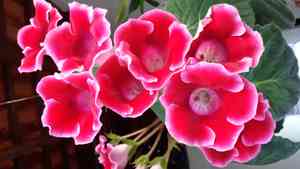
Originating from Brazil, gloxinia is highly valued for its soft, fuzzy leaves and brilliant, bell-shaped blossoms. Consistently remove faded flowers and discolored foliage to stimulate fresh blooms and preserve the plant's well-being. The most effective time for trimming is after blooming and throughout its active growth period in spring and summer. Avoid pruning in autumn to permit gloxinia to naturally enter its dormant phase. Appropriate trimming fosters denser growth, boosts flowering, and averts illness by enhancing air movement among the plant's leaves.
What Are the Benefits of Pruning Gloxinia?
What Are the Benefits of Pruning Gloxinia?
Trimming gloxinia is crucial for stimulating flowering, fostering vigorous development, and maintaining a desired compact shape. By removing faded blossoms and shaping the foliage, gloxinia will produce more robust shoots, enhancing its overall vitality and visual appeal.
What Is the Best Time for Pruning Gloxinia?
What Is the Best Time for Pruning Gloxinia?
The optimal time for pruning gloxinia is during spring and early summer, coinciding with its active growth phase. Pruning after blooming encourages a second wave of flowers, whereas late summer or fall pruning can impede bud formation for the subsequent season. Spring pruning revitalizes gloxinia post-dormancy, promoting healthy new growth. Early summer pruning, following the initial bloom, helps shape the plant and maintain its compact form. It's important to avoid pruning when gloxinia is preparing for dormancy, as this can stress the plant and diminish its vigor.
What Tools Do I Need to Prune Gloxinia?
Sharp Bypass Pruners
Excellent for making precise cuts, helping to prevent harm to the delicate stems of gloxinia.
Scissors or Snips
Perfect for deadheading faded flowers and trimming small leaves or stems. Their small blades allow for accurate work without damaging surrounding foliage.
Tweezers or Forceps
Useful for removing dead or yellowed leaves in confined spaces without disturbing the rest of the plant.
Soft Cloth or Sponge
A gentle tool for wiping away debris and potential pests from leaves, which is vital for gloxinia's overall health.
How to Prune Gloxinia
Cleaning Tools
Before trimming gloxinia, ensure all pruning implements are clean and sharp to prevent infection and create clean cuts.
Removing Diseased Leaves
Carefully identify and remove any diseased leaves from gloxinia by cutting them off at the base of the stem to prevent disease spread.
Eliminating Withered Leaves
Prune withered leaves from gloxinia by snipping them off at the base of the leaf's stem to encourage new growth and improve air circulation.
Deadheading Flowers
Deadhead spent flowers on gloxinia by clipping the flower stem below the withered flower to promote more blooms and divert energy to healthy growth.
Disposing Trimmed Parts
Properly dispose of all trimmed parts away from healthy gloxinia plants to prevent possible disease reinfestation or pest issues.
Common Pruning Mistakes with Gloxinia
Over-Pruning
Removing too many leaves or flowers can stress gloxinia, leading to reduced blooming and a weakened plant.
Pruning Healthy Blooms
Cutting off healthy blooms can decrease gloxinia's overall flowering, as this plant often supports several blossoming cycles.
Using Dull Tools
Pruning gloxinia with dull or dirty tools can damage tissues, making the plant susceptible to diseases.
Incorrect Cuts
Making cuts too close to the main stem may damage the plant's structure, while leaving too much of a stub can hinder healing.
Common Pruning Tips for Gloxinia
Selective Trimming
Gently remove spent flowers and yellowing leaves from gloxinia to redirect energy to healthy growth and blooms.
Clean Cuts
Use sharp, clean pruning scissors to make clean cuts, which will help prevent infection and allow for quicker healing.
Post-Blooming Care
After gloxinia has finished flowering, carefully prune the plant back to its base to encourage dormancy and subsequent reblooming.
Balanced Approach
Aim for a balanced shape and avoid over-pruning in a single session, which can lead to shock and stunted growth in gloxinia.



