How to Prune Silver milk thistle?
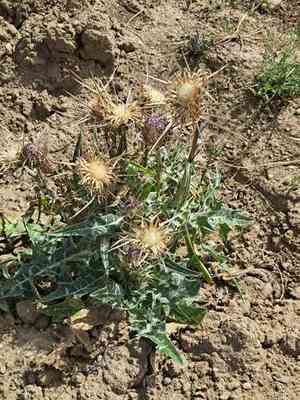
The silver milk thistle, recognized for its distinctive silvery leaves and substantial, thistle-like blossoms, greatly benefits from meticulous trimming. Perform pruning on silver milk thistle during the late winter or early spring period, prior to the emergence of new shoots, to preserve its form and stimulate abundant blooming. Eliminate any deceased or compromised stalks and reduce density in congested zones to enhance air movement, thereby aiding in disease prevention. Consistent trimming additionally fosters more robust and energetic development, improving both the visual appeal and overall health of the specimen.
Advantages of Trimming Silver Milk Thistle
Advantages of Trimming Silver Milk Thistle
Trimming silver milk thistle encourages robust development and maintains its form, crucial for an attractive garden display. Regular cutting back helps manage its size, preventing this typically sprawling species from overwhelming other plants.
Optimal Time for Trimming Silver Milk Thistle
Optimal Time for Trimming Silver Milk Thistle
Trimming silver milk thistle in late winter or early spring is ideal as this timing precedes the plant's active growth phase, which typically begins in spring. Late winter trimming ensures that any dead or damaged sections are removed before new growth starts, thus preventing the plant from expending resources on sustaining these non-viable parts. Early spring trimming helps stimulate vigorous new growth as the weather warms and growing conditions improve. Additionally, by trimming before silver milk thistle begins to flower, gardeners can ensure that energy is directed towards producing a healthy and strong plant, rather than supporting potentially extensive, unproductive or diseased growth from the previous year. This timing aligns well with the plant's natural life cycle, promoting better flowering and overall plant health.
Tools Required for Trimming Silver Milk Thistle
Bypass Pruners
Perfect for making clean, precise cuts on silver milk thistle's thinner stems or branches. These pruners inflict less damage to plant tissues, encouraging healthier regrowth.
Thick Gloves
Crucial for protecting hands from silver milk thistle's spiny leaves and stems during the trimming process. Gloves made from robust, puncture-resistant material are recommended.
Long-Sleeved Gardening Jacket or Shirt
Offers necessary arm protection when working with silver milk thistle, which possesses sharp, needle-like spines.
How to Trim Silver Milk Thistle
Identify
Locate and assess the diseased and withered leaves on silver milk thistle. Look for any signs of discoloration, spots, or decay indicating poor health and vigor.
Sanitize
Disinfect your trimming tools before and after use to prevent disease transmission. Use a bleach or alcohol solution to wipe down blades, ensuring clean cuts that reduce infection risk for silver milk thistle.
Cut
Remove diseased and withered leaves at their base, near the main stem. Use sharp, clean scissors or secateurs for a precise cut without tearing, which can cause extra stress and potential entry points for pathogens.
Disposal
Properly dispose of removed leaves. Do not compost diseased plant material as it can contaminate compost and spread disease when reused in the garden. Use a sealed bag for disposal to prevent further contamination.
Inspect
Regularly check silver milk thistle for any further signs of disease or wilting. Early detection and consistent care help maintain plant health and address issues promptly to avoid more severe damage.
Common Trimming Errors with Silver Milk Thistle
Over-trimming
A frequent error is removing too much growth from silver milk thistle in one session. This can stress the plant and hinder its development, as it relies on its foliage for efficient photosynthesis.
Incorrect cutting technique
Using dull or dirty trimming tools can result in jagged cuts that harm silver milk thistle's stems, making them more vulnerable to disease and pests. Clean, sharp cuts are vital for plant health.
Neglecting health checks
A common oversight is failing to inspect silver milk thistle for dead or diseased foliage before beginning the trimming process. Removing unhealthy parts first is essential to prevent spreading issues throughout the plant.
General Trimming Advice for Silver Milk Thistle
Correct tools
Utilize clean, sharp secateurs or pruners for cutting silver milk thistle. Ensure they are disinfected before use to prevent disease transfer between plants.
Focus on healthy growth
When trimming silver milk thistle, concentrate on removing dead or weak stems to encourage growth in stronger branches. It's crucial to make cuts close to a leaf node or bud to promote healthy new growth.
Moderation
Practice restraint by trimming no more than one-third of silver milk thistle at a time. This approach helps maintain the plant's shape and vigor without causing undue stress.



