How to Prune Sweet william catchfly?
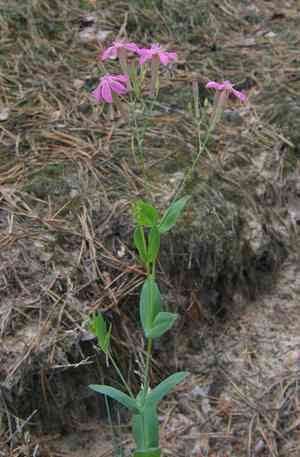
This eye-catching perennial, celebrated for its vivid blossoms, sweet william catchfly thrives with appropriate trimming. Essential methods involve removing spent blooms to stimulate further flowering and reducing the plant by one-third after blooming to preserve its form and vitality. The most effective time for pruning is from spring until autumn, coinciding with periods of active development. Trimming sweet william catchfly strengthens its well-being, prevents excessive growth, and improves the following season's presentation. A timely cut can also encourage thicker foliage and more abundant blooms.
What Are the Benefits of Pruning Sweet William Catchfly?
What Are the Benefits of Pruning Sweet William Catchfly?
Trimming sweet william catchfly promotes robust development by reallocating energy to fresh shoots, ensuring a dense, compact form. This process helps maintain the plant's shape, which is vital for visual appeal and space management in garden design.
What Is the Best Time for Pruning Sweet William Catchfly?
What Is the Best Time for Pruning Sweet William Catchfly?
The optimal periods for trimming sweet william catchfly are late spring, once frost danger has passed, summer, and early fall before cold weather arrives. These times align with sweet william catchfly's active growth cycle, allowing quick recovery from pruning and minimizing stress or harm. Pruning in late spring fosters bushier growth and additional blooms as sweet william catchfly prepares for its flowering season. Summer pruning can involve deadheading spent flowers, improving the plant's look and encouraging more blooms. Early fall pruning should be light, focusing on shaping and removing any unhealthy parts before winter dormancy. Pruning during the plant's active growth ensures the best outcome for plant vigor and blooming potential without jeopardizing next year's growth.
What Tools Do I Need to Prune Sweet William Catchfly?
Bypass Pruners
Perfect for making neat, precise cuts on sweet william catchfly's relatively slender stems, ensuring minimal harm to the plant's circulatory system.
Gardening Gloves
Protects the gardener's hands from sweet william catchfly's potentially sticky sap and rough leaves during the trimming process.
Pruning Shears
Useful for removing dead flowers or shaping sweet william catchfly, as they allow for more detailed cutting, which is crucial for maintaining the plant's appearance.
Garden Scissors
Can be used for thinning sweet william catchfly's stems or leaves, especially when dealing with dense growth, as they offer a high degree of control.
How to Prune Sweet William Catchfly
Clean Tools
Sanitize your pruning shears with isopropyl alcohol to prevent disease and ensure clean cuts when trimming sweet william catchfly.
Identify Parts
Examine sweet william catchfly for wilted or yellowed leaves that can divert energy from healthy growth.
Trim Withered Leaves
Using your shears, carefully remove the withered leaves at the base, taking care not to cut healthy tissue.
Clean Up
Gather and discard all removed foliage to prevent any potential disease spread in your garden.
Post Prune Care
Water sweet william catchfly appropriately after pruning to reduce stress and support the plant's recovery and new growth.
Common Pruning Mistakes with Sweet William Catchfly
Overpruning
Cutting back too much of sweet william catchfly's foliage or too many stems, which can lead to weakened growth and reduced flowering potential. This plant benefits from a light pruning approach.
Pruning Into Old Wood
Removing new growth and cutting into the old, woody stems can damage sweet william catchfly's ability to produce flowers, as it blooms on new growth.
Inconsistent Pruning
Failing to prune or deadhead sweet william catchfly regularly can result in a leggy appearance and fewer blooms, as this can affect the plant's energy distribution.
Neglecting Sanitary Practices
Using unclean pruning tools can introduce diseases to sweet william catchfly, potentially harming the overall health of the plant.
Ignoring Plant Health
Pruning sweet william catchfly without assessing its health may lead to stress and vulnerability to pests and diseases, thereby impacting its vigor and bloom quality.
Common Pruning Tips for Sweet William Catchfly
Regular Deadheading
Removing spent flowers of sweet william catchfly encourages the plant to focus energy on producing new growth and more blooms, which can extend the flowering period.
Light Pruning
Using a gentle hand when pruning sweet william catchfly ensures that only the necessary amount of foliage and stems are removed, maintaining plant health and aesthetics.
Rejuvenation
For an older sweet william catchfly that appears overgrown or sparse, a more substantial prune may be required to rejuvenate the plant and encourage new, robust growth.
Use Of Clean Tools
Always use clean, sharp pruning tools when working with sweet william catchfly to make clean cuts and minimize the chance of spreading diseases.
Post-Bloom Prune
After the initial flowering phase, lightly prune sweet william catchfly to shape the plant and encourage a second wave of blooms later in the season.



