How to Prune Palmgrass?
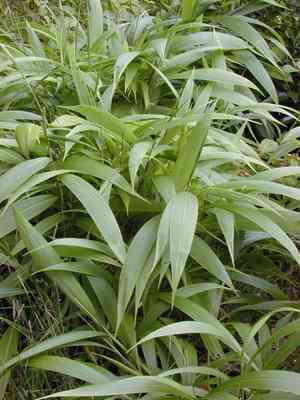
Palmgrass, characterized by its expansive, palmate foliage, thrives with consistent trimming to preserve its form and vitality. Conduct pruning during late winter or early spring, prior to the emergence of fresh shoots. Eliminate aged, discolored leaves and any deceased or compromised foliage to foster strong, abundant development. Reducing density in congested zones enhances air movement, thereby discouraging infestations and ailments. Strategic pruning optimizes the aesthetic value of palmgrass, guaranteeing a neat, sturdy appearance in the landscape.
Advantages of Trimming Palmgrass
Advantages of Trimming Palmgrass
Trimming palmgrass stimulates robust development and maintains its desired shape. Consistent cutting fosters a strong structure, enhancing both vitality and visual appeal.
Optimal Period for Pruning Palmgrass
Optimal Period for Pruning Palmgrass
Pruning palmgrass during late winter and early spring is considered ideal, as this time precedes its active growth phase. Trimming palmgrass then prevents disruption to its growth cycle during spring and summer's rapid development. Furthermore, late winter pruning ensures the removal of any cold damage from the colder months, preparing the plant for strong health and vigor. Removing old or diseased foliage before new growth begins allows palmgrass to direct energy towards producing fresh, healthy shoots. Additionally, pruning before palmgrass flowers or fruits prevents the unnecessary loss of potential blooms or fruits that could occur if pruned later in the season. Adhering to these seasons contributes to palmgrass's overall health, appearance, and ability to thrive in warmer months. Moreover, pest and disease issues are typically less prevalent during cooler periods, reducing infection risk at pruning sites.
Necessary Tools for Pruning Palmgrass
Bypass Pruners
Perfect for making precise cuts on palmgrass, bypass pruners operate like scissors, ensuring a clean cut without crushing stems. This is vital to prevent damage to the plant's vascular system, which could hinder nutrient and water transport.
Long-Handled Loppers
These are suitable for reaching into denser areas of palmgrass to prune thicker stems that are out of arm's reach. The leverage provided by the long handles makes it easier to cut through sturdier stems without excessive force.
Garden Shears
For shaping and trimming palmgrass foliage, garden shears allow for quick snips to maintain the desired form and remove any unwanted or overgrown foliage in a controlled manner.
Pruning Saw
A pruning saw may be necessary if palmgrass has any old or particularly thick stems that require removal. The serrated blade efficiently cuts through woodier material without harming the plant.
Gloves
Protective gloves should be worn to shield the gardener's hands from sharp edges or potentially irritating plant sap while pruning palmgrass.
How to Prune Palmgrass
Clean tools
Before pruning palmgrass, sanitize all cutting implements using a solution of one part bleach to nine parts water to prevent disease transmission.
Identify
Examine palmgrass for indications of diseased and withered leaves. Diseased leaves might show unusual spots, discoloration, or deformities.
Cut diseased leaves
Using the sterilized tools, carefully remove any diseased leaves from palmgrass by cutting at the base of the leaf stem. Ensure clean cuts to avoid harming the plant's healthy tissue.
Cut withered leaves
Trim any withered or dead leaves from palmgrass in the same manner, cutting them at the base to encourage healthy growth and improve air circulation.
Dispose
After pruning, properly discard the removed diseased and withered leaves to prevent any potential spread of disease or pests to palmgrass or nearby plants.
Common Pruning Errors with Palmgrass
Over-pruning
Removing too much foliage from palmgrass at once can stress the plant, leading to poor growth or increased vulnerability to pests and diseases.
Using dull tools
Pruning palmgrass with dull or unclean tools can result in jagged cuts that make the plant more susceptible to infection.
Pruning healthy growth
A mistake is cutting away green, healthy foliage unnecessarily, which can hinder palmgrass's vigor and development.
Ignoring damaged limbs
Failing to remove dead or damaged limbs can impede palmgrass's overall health and appearance, as these can become sources of disease.
Lack of sterilization
Not sterilizing pruning tools between uses can spread diseases from infected plants to healthy ones, including palmgrass.
General Pruning Advice for Palmgrass
Correct tool selection
Use sharp, clean pruning shears or scissors when trimming palmgrass to ensure clean cuts that heal quickly and neatly.
Pruning technique
Make cuts at a 45-degree angle, just above a leaf node or branching point, to encourage healthy new growth on palmgrass.
Damaged foliage removal
Regularly inspect and promptly remove any yellow, brown, or damaged foliage from palmgrass to maintain its health and aesthetics.
Thinning out
Palmgrass benefits from occasional thinning to improve air circulation, which reduces the risk of fungal diseases.
Post-pruning care
Provide palmgrass with proper aftercare, such as adequate water and possibly a light fertilizer, to support recovery and new growth after pruning.



