How to Prune Giant sequoia?
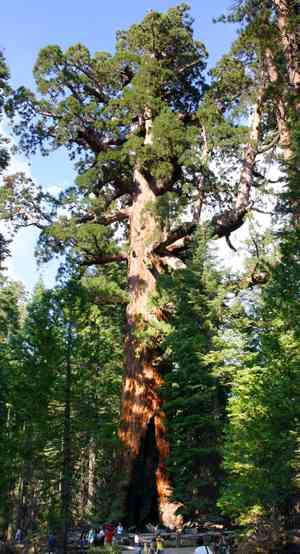
Distinguished by its immense stature and extended lifespan, the giant sequoia necessitates very little trimming. Essential methods involve excising deceased or ailing branches to uphold the plant's well-being and vigor. The most opportune period for pruning is in winter, as the tree's inactive phase reduces the likelihood of pathogen spread and encourages vigorous regeneration. Judicious pruning also averts potential harm to structures from descending limbs of this enormous variety. Restrict cuts to preserve organic development and prevent undue foliage reduction, which could diminish the tree's majestic appearance.
What Are the Benefits of Pruning Giant Sequoia?
What Are the Benefits of Pruning Giant Sequoia?
Trimming giant sequoia promotes vigorous development and preserves its magnificent shape. Strategic cutting manages its size and enhances the tree's vitality.
What Is the Best Time for Pruning Giant Sequoia?
What Is the Best Time for Pruning Giant Sequoia?
Winter is the ideal time for pruning giant sequoia because the tree is inactive during this period. Pruning while dormant reduces strain on giant sequoia, minimizes sap leakage from cuts (which attracts pests), and simplifies identifying branches to remove since foliage is absent. This season also avoids disrupting the spring growth cycle, ensuring energy reserves are directed towards new growth rather than healing pruning wounds. Additionally, removing dead or diseased branches in winter can prevent the spread of pathogens that are less active in cold weather. Winter pruning contributes to the overall health and structural soundness of giant sequoia, preparing it for robust spring growth.
What Tools Do I Need to Prune Giant Sequoia?
Pole Pruners
Given the considerable height of giant sequoia, pole pruners are crucial for reaching and trimming higher branches without a ladder, ensuring both safety and efficiency.
Loppers
For branches too thick for hand pruners but still within reach, loppers with long handles provide the necessary leverage for clean cuts, minimizing damage to giant sequoia.
Chainsaw
For the larger branches of giant sequoia, a chainsaw might be needed to effectively cut through the thick, mature wood. Professional help is advised when using such powerful equipment.
Hand Pruners
When performing more delicate tasks, such as removing smaller, accessible dead or diseased branches, hand pruners offer the precision required to protect the health of giant sequoia.
Saw
For branches too thick for loppers but not suitable for a chainsaw, a handsaw offers a good balance, allowing controlled cuts without the bulk of powered tools.
Pruning Saw
Sometimes, giant sequoia will have branches in confined spaces or at awkward angles where a chainsaw might be too unwieldy. A pruning saw is perfect for these situations for precise cuts.
How to Prune Giant Sequoia
Step1: Assess Plant Health and Identify Problem Branches
Evaluate the giant sequoia for overall health and pinpoint any signs of deadwood, diseased branches, or broken limbs. Look for branches that are brown with no green needles, exhibit unusual growth, or are clearly damaged.
Step2: Ensure Safety and Prepare Equipment
Ensure personal safety and the safety of others in the pruning area. Wear protective gear including gloves, eye protection, and a hard hat. Use the appropriate ladder or aerial lift for high branches, making sure they are secure and stable.
Step3: Remove Deadwood with Proper Cutting Techniques
Start by removing any deadwood. Use a pruning saw for larger branches or hand pruners for smaller ones. Make cuts at a slight angle about 1/4 inch above a living branch or bud, facing away from the center of the giant sequoia. Ensure cuts are clean and avoid tearing the bark.
Step4: Remove Diseased Branches and Disinfect Tools
Next, locate and carefully remove diseased branches. Disinfect pruning tools before and after making cuts to prevent disease spread. Remove affected branches entirely if necessary, cutting back to healthy wood, well beyond the infection site.
Step5: Safely Trim Broken Branches Using Three-Cut Method
Address broken branches by making clean cuts to prevent further damage. If a large limb is broken, use the three-cut method: make the first cut on the underside of the limb a few inches from the trunk to prevent bark tearing, the second cut further out to remove the limb's weight, and a final cut near the trunk just outside the branch collar.
Step6: Inspect Cuts for Smoothness to Avoid Pests
Inspect the pruning cuts to ensure they are smooth and free of jagged edges that could attract pests and disease. Do not use wound dressing or paint; giant sequoia can compartmentalize and heal its own wounds naturally.
Step7: Cleanup Debris to Prevent Pest and Fungal Growth
Clear all debris, including fallen branches and needles, from the base of the giant sequoia to deter pests and fungal growth.
Step8: Monitor Plant for Post-Pruning Stress
Regularly monitor the giant sequoia after pruning for signs of stress, such as wilted foliage or further disease, which may require additional care or intervention.
Step9: Prune Minimally to Maintain Plant Health
Limit pruning to the minimum necessary, as giant sequoia generally requires little pruning. Excessive pruning can weaken the giant sequoia's defenses and increase its susceptibility to pests and disease.
Step10: Avoid Wet Conditions and Prune in Dormancy
Avoid pruning during damp or wet conditions as this can encourage disease spread. Ideally, prune during late winter to early spring when the giant sequoia is dormant and before new growth begins.
Post-Pruning Care for Giant Sequoia
Post-Pruning Care for Giant Sequoia
After pruning giant sequoia, promptly clear the site of debris to prevent disease. Maintain moist soil without overwatering to reduce shock. Giant sequoia needs full sun, so ensure unobstructed light, and regarding temperature, shield giant sequoia from extremes. Apply balanced, slow-release fertilizer to support healing and growth. Monitor giant sequoia for wilting or discoloration indicating stress or infection. If symptoms appear, consult a plant pathologist. Regular inspections aid early problem detection and promote recovery after pruning.
Common Pruning Mistakes with Giant Sequoia
Excessive Branch Removal Stressing Plants
Overpruning is a common error, as removing too many branches can stress giant sequoia and lead to poor health or growth.
Improper Tool Use Leading to Disease Vectors
Not using clean, sharp tools for pruning can result in jagged cuts that may become entry points for disease or pests, negatively affecting giant sequoia's well-being.
Structural Damage from Large Branch Removal
Removing large branches or the central leader can compromise the structural integrity and natural conical shape of giant sequoia, which is crucial for its overall appearance and health.
Common Pruning Tips for Giant Sequoia
Precise Cuts with Clean, Sharp Tools for Plant Health
Use clean, sharp, and appropriate pruning tools to make precise cuts that will heal quickly, minimizing stress and disease risk for giant sequoia.
Prune Only Whatâs Necessary for Natural Growth
Prune only dead, diseased, or broken branches to maintain the health and natural growth pattern of giant sequoia, avoiding unnecessary cutting of live, healthy branches.
Proper Angle and Position Cuts for Healthy Healing
Ensure cuts are made at the proper angle and position to encourage healthy callus formation and to prevent water from accumulating on the wound, potentially harming giant sequoia.



