How to Prune Emperor's candlesticks?
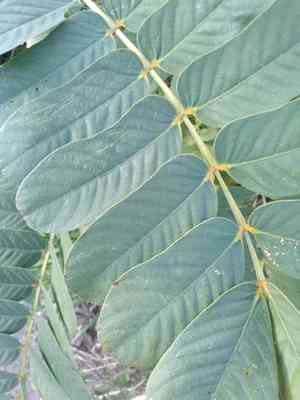
Emperor's candlesticks, recognized for its towering, golden floral spikes, thrives with trimming to boost flowering and control its dimensions. Following the bloom period, reduce its size by one-third to stimulate fresh development. This task is ideally performed from late spring to early summer, coinciding with its natural growth phase. Consistently eliminate any deceased or ailing branches to preserve the plant's well-being. Trimming not only sculpts emperor's candlesticks but also fosters more abundant floral showcases in the subsequent year.
What Are the Benefits of Pruning Emperor's Candlesticks?
What Are the Benefits of Pruning Emperor's Candlesticks?
Trimming emperor's candlesticks encourages blooming and strengthens its defense against pests and diseases, ensuring robust health and vigor.
What Is the Best Time for Pruning Emperor's Candlesticks?
What Is the Best Time for Pruning Emperor's Candlesticks?
Late spring and early summer are considered optimal for pruning emperor's candlesticks as these periods immediately follow the plant's main growth cycle. During late spring, emperor's candlesticks has typically completed its rapid growth phase, allowing for the removal of unwanted or excessive foliage without negatively impacting the plant's vitality. Pruning in these seasons enables gardeners to shape the plant and manage its size before growth slows. Furthermore, by pruning before heavy rains or extreme summer heat, the risk of disease and stress on emperor's candlesticks is minimized. Early summer pruning ensures that cuts have time to heal before the cooler, potentially wetter conditions of late summer and fall, which can otherwise increase the risk of fungal diseases. Additionally, trimming after the initial growth spurt helps invigorate emperor's candlesticks for potential flowering periods, promoting healthier blooms and maintaining an attractive appearance.
What Tools Do I Need to Prune Emperor's Candlesticks?
Hand Pruners
Hand pruners or secateurs are crucial for making clean cuts on the smaller stems of emperor's candlesticks without harming plant tissues. They are perfect for removing dead or diseased foliage and shaping the plant.
Lopping Shears
For larger branches that hand pruners cannot manage, lopping shears (or loppers) are recommended for emperor's candlesticks. They offer greater leverage, especially useful for cutting through stems up to 1.5 inches in diameter.
Pruning Saw
If emperor's candlesticks has developed branches thicker than 1.5 inches, a pruning saw is the most suitable tool. It allows gardeners to cleanly cut through thicker growth without straining or potentially damaging the plant or the tool.
Hedge Shears
For shaping and maintaining the dense foliage of emperor's candlesticks, hedge shears are appropriate. They enable gardeners to trim the plant uniformly, particularly when creating hedges or specific forms.
Gloves
Gloves are essential for protecting your hands from thorns and potential skin irritants in the sap of emperor's candlesticks. They also provide a better grip on pruning tools.
How to Prune Emperor's Candlesticks
Step1: Inspect and Sanitize Tools
Carefully inspect emperor's candlesticks, looking for old pods, dead wood, and any signs of disease or damage. Cleaning your pruning tools with rubbing alcohol or a 10% bleach solution is vital before you begin to prevent disease spread.
Step2: Remove Old Pods
Start pruning by removing old pods to encourage new growth and prevent self-seeding if not desired. Cut the pod stems where they join the main branch using sharp, clean pruning shears, being careful not to damage the main stem.
Step3: Trim Dead Wood
Identify dead wood by its dry, brittle appearance and lack of green growth. Use pruning shears to snip off these branches at the point where they meet healthy, living growth. Make cuts at a slight angle to prevent water accumulation on the cut surface.
Step4: Excise Diseased Plant Parts
Look for signs of disease, which may include discolored leaves, stems, or blooms, as well as any unusual spots or growths. Remove any diseased parts by cutting back to healthy tissue, ensuring you remove the entire affected area to limit disease spread.
Step5: Shape for Balanced Growth
While shaping emperor's candlesticks, aim for a balanced appearance by pruning disproportionately long or unruly branches. Make your cuts just above a leaf node or a lateral branch, considering the overall form of the plant and how each cut will affect future growth.
Step6: Safely Dispose of Plant Debris
Properly dispose of all removed plant material, especially diseased parts. Avoid composting if there's a chance of spreading pathogens. Seal these in a bag and discard with household waste.
Step7: Clean Tools Post-Pruning
After pruning, clean your tools again as in step 1 to avoid transferring any potential pathogens to other plants or equipment.
Step8: Hydrate and Fertilize Plant
Water emperor's candlesticks if the soil is dry, and apply a balanced, slow-release fertilizer to support recovery and new growth after the pruning process.
Post-Pruning Care for Emperor's Candlesticks
Post-Pruning Care for Emperor's Candlesticks
After pruning emperor's candlesticks, immediately water the plant deeply to reduce stress and promote healing. Ensure emperor's candlesticks receives adequate light, but avoid direct, harsh sunlight. Maintain ambient temperatures between 21-27°C and high humidity. Apply a balanced fertilizer to support new growth and monitor regularly for any discoloration or wilt which could indicate stress or infection. Remove any affected areas promptly to prevent spread.
Common Pruning Mistakes with Emperor's Candlesticks
Over-pruning
Trimming too much at once, which can stress emperor's candlesticks and lead to poor plant health or even death.
Using Dull or Dirty Tools
Employing dull or unclean pruning tools, which can cause jagged cuts and introduce disease to emperor's candlesticks.
Excessively Cutting Old Wood
Removing too much of the old wood, which is where emperor's candlesticks often produces flowers, thereby reducing its blooming potential.
Ignoring Plant Growth Habit
Pruning without understanding the natural growth habit of emperor's candlesticks, resulting in an unnatural shape that can diminish the plant's ornamental value.
Not Removing Damaged Growth
Neglecting to remove diseased or damaged growth, which can inhibit healthy growth and spread disease within emperor's candlesticks.
Common Pruning Tips for Emperor's Candlesticks
Use Sharp and Clean Tools
Ensure that pruning tools are sharp and clean before starting, to make clean cuts that emperor's candlesticks can heal from quickly and to prevent disease transmission.
Thin Out for Air and Light
Focus on thinning out crowded areas to improve air circulation and light penetration, which are essential for the health and flowering of emperor's candlesticks.
Remove Diseased or Dead Growth
Identify and remove any diseased, damaged, or dead growth first, as this will help maintain the overall health of emperor's candlesticks.
Gradual Shaping Over Seasons
Gradually shape emperor's candlesticks over the course of several seasons if needed, instead of attempting to achieve the desired shape in one pruning session.
Prune Tips for Bushiness
Prune the tips of young plants to encourage bushiness, as emperor's candlesticks can become leggy without occasional tip pruning.
Preserve Flower Buds During Pruning
Be mindful of the flower buds when pruning to avoid accidentally reducing the flowering potential of emperor's candlesticks.



