How to Prune Peacock moss?
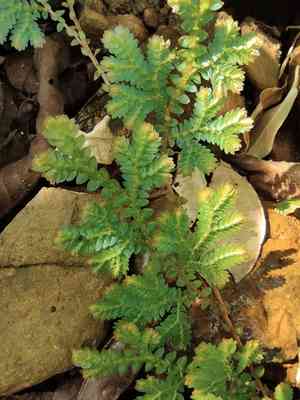
Peacock moss, a brilliant, shimmering ground cover, flourishes with little upkeep. Essential trimming entails cutting back areas that have become too large and eliminating deceased fronds to preserve thickness and stimulate fresh development. Perform pruning in early spring and late autumn when the plant is actively growing. This practice prevents excessive density and improves air movement, thereby lowering the chance of illness. Disinfect your implements to prevent the transmission of harmful agents. This trimming process accentuates the plant's rich, feathery look, upholding its decorative appeal.
Advantages of Trimming Peacock Moss
Advantages of Trimming Peacock Moss
Trimming peacock moss promotes robust development and helps maintain its form, ensuring it remains a compact and appealing ground cover. It can prevent excessive growth that might otherwise lead to diminished air circulation, which is crucial for preventing pest or disease outbreaks.
Optimal Time for Trimming Peacock Moss
Optimal Time for Trimming Peacock Moss
In early spring, peacock moss is just starting a new growth phase after winter dormancy, making it the perfect time to shape the plant and encourage healthy new development. Trimming in late autumn allows gardeners to remove any dead or overgrown foliage after the main growing season, thereby preventing rot and disease during the winter. Pruning during these seasons aligns with the plant's natural growth cycle and helps maintain its vitality and appearance without interrupting its period of active growth in summer.
Tools Required for Trimming Peacock Moss
Sharp, Clean Scissors
For peacock moss, a delicate fern with fine foliage, it's crucial to use sharp, clean scissors for precise cuts without harming the plant tissues. This ensures a clean trimming experience.
Hand Pruners
Peacock moss may need thinning to maintain its shape and health. Hand pruners are essential for cutting through thicker stems without damaging the delicate fronds, if necessary.
Fine Pruning Snips
For detailed tasks, such as removing dead or unwanted fronds, fine pruning snips allow for accuracy and care to prevent harm to peacock moss's intricate growth patterns.
Gloves
Protection is vital when handling peacock moss to ensure personal safety and prevent the transfer of disease from hands to plant.
Disinfectant
Before and after trimming peacock moss, cleaning the tools with disinfectant prevents the spread of pathogens, ensuring the plant's health remains intact.
How to Trim Peacock Moss
Step1: Tool Preparation and Sterilization
Gather the necessary implements for trimming peacock moss. Ensure you have a pair of sharp scissors or micro-tip pruning shears. Sanitize the tools with alcohol or a household disinfectant to prevent the spread of any ailments.
Step2: Identifying Overgrown Foliage
Pinpoint the overgrown foliage that requires trimming to maintain the desired shape and size of peacock moss. Look for stems that extend beyond the main body of the plant or disrupt its natural appearance.
Step3: Trimming Overgrowth at Leaf Nodes
Trim the overgrown foliage by cutting the stems at an angle, approximately 1/4 inch above a leaf node. Make the cuts clean and precise to encourage new growth and to maintain an aesthetically pleasing form.
Step4: Detecting and Removing Dead Fronds
Carefully inspect peacock moss for dead fronds, which may appear brown and brittle compared to the vibrant green of healthy growth. These are typically at the base of the plant or hidden under healthier foliage.
Step5: Cutting Dead Fronds at Soil Line
Remove dead fronds by cutting them at the base, as close to the soil line as possible without harming healthy parts. This will improve the overall health and appearance of peacock moss.
Step6: Shaping Plant by Hand After Trimming
After trimming, gently shape peacock moss by hand, guiding the remaining healthy foliage to fill in any gaps left by the removal of overgrown or dead fronds. This hands-on approach allows you to direct the growth without additional cutting.
Step7: Disposal of Trimmed Plant Material
Discard the removed plant material away from peacock moss to prevent any potential disease or pest issues. Compost the discarded plant matter if desired.
Step8: Light Watering Post-Trimming
Water peacock moss lightly if the soil is dry, as trimming can be slightly stressful for plants and maintaining adequate hydration aids recovery.
Step9: Observing Plant for Post-Trimming Stress
Monitor peacock moss over the next few days to ensure there is no sign of stress or disease from the trimming. Healthy peacock moss should resume growth and fill in trimmed areas in due course.
Post-Trimming Care for Peacock Moss
Post-Trimming Care for Peacock Moss
After trimming peacock moss, promptly water the soil to aid recovery, avoiding wetting the foliage. Maintain high humidity and indirect light to reduce stress â ideal temperatures range from 70-80°F. Fertilize lightly with a balanced liquid fertilizer to encourage growth. Watch for wilting or discoloration as signs of stress. If symptoms persist, adjust care and consult an expert.
Common Trimming Mistakes with Peacock Moss
Avoid excessive trimming to prevent plant stress
Over-trimming peacock moss can be detrimental to its well-being, as removing too much foliage at once can stress the plant and impede its vitality.
Prevent disease with sharp, clean tools
Using dull or dirty trimming tools can cause jagged cuts and introduce diseases to peacock moss, potentially affecting its overall health and aesthetic appeal.
Trim with clear objectives for optimal results
Trimming without a clear goal, such as shaping, removing dead growth, or promoting denser foliage, can lead to unsatisfactory outcomes and a less than ideal appearance for peacock moss.
Sterilize tools to stop pest and disease spread
Neglecting to sterilize the trimming tools between cuts and different plants can facilitate the spread of pests and diseases to peacock moss.
Do not cut stems too close to the base
Cutting too close to the base of peacock mossâs stems can damage its central growth points, reducing its ability to regenerate and thrive.
Common Trimming Tips for Peacock Moss
Use sharp, clean shears for healthy cuts
Use clean, sharp scissors or trimming shears to ensure precise cuts on peacock moss, which help promote quick and effective healing.
Remove dead foliage to redirect plant energy
Focus on removing dead or yellowing fronds from peacock moss, as this not only improves its appearance but also redirects energy toward thriving parts of the plant.
Trim overgrowth to encourage bushy growth
Trim peacock moss to maintain its desired shape and size, and to encourage bushier growth, carefully trimming back overgrown areas without drastically reducing the plantâs volume.
Pinch tips for denser foliage
When shaping peacock moss, use gentle pinching techniques to remove the tips of stems, encouraging the plant to branch out and become denser.
Clear base debris to avoid mold or mildew
To bolster the health of peacock moss, remove any debris and fallen fronds from its base to prevent mold and mildew, which thrive in damp conditions.
Inspect and treat pests before trimming
Always inspect peacock moss before trimming for pests, and treat any infestations immediately to prevent further damage during the trimming process.
Provide proper care post-trimming for recovery
After trimming, care for peacock moss by ensuring it has the proper aftercare, such as adequate watering and the right balance of light and humidity to recover and continue growing vigorously.



