How to Prune Selaginella tamariscina?
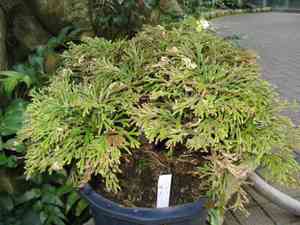
Selaginella tamariscina, recognized for its thick, mossy leaves, flourishes with consistent upkeep. Essential trimming methods include cutting back sprawling areas and eliminating withered or discolored leaves to foster vigorous development. The most effective time for pruning is during spring, summer, or autumn, coinciding with periods of active growth. This targeted reduction improves air movement, encourages a dense shape, and can lower the chance of illness. Advantages of pruning encompass boosted revitalization and ongoing well-being for selaginella tamariscina.
What Are the Benefits of Pruning Selaginella Tamariscina?
What Are the Benefits of Pruning Selaginella Tamariscina?
Trimming selaginella tamariscina promotes robust development and helps maintain its desired form, which is vital for the plant's visual appeal and well-being.
What Is the Best Time for Pruning Selaginella Tamariscina?
What Is the Best Time for Pruning Selaginella Tamariscina?
Pruning or trimming selaginella tamariscina during Spring is advantageous as it coincides with the beginning of the plantâs active growth period, allowing selaginella tamariscina to recover quickly from pruning and to redirect its energy into producing new growth. Early Summer pruning is ideal for maintaining shape and controlling size after the initial spring growth, while avoiding the hottest part of the season when the plant can be stressed. Fall pruning should be completed well before the onset of cold weather to prevent any new growth, which may not have sufficient time to harden off before the winter, from being damaged by frost. It is important to refrain from heavy pruning late in Fall to avoid negatively impacting selaginella tamariscina's health. This sequence ensures that selaginella tamariscina maintains vigor, remains healthy, and looks aesthetically pleasing throughout the year.
What Tools Do I Need to Prune Selaginella Tamariscina?
Small Scissors or Snips
Given the delicate nature and fine texture of selaginella tamariscina's foliage, small scissors or precision snips are preferred for making clean, accurate cuts without harming surrounding fronds.
Tweezers
Tweezers can be useful for removing dead or yellowing parts of selaginella tamariscina without disturbing the surrounding healthy growth.
Soft Brush
A soft brush can gently remove any debris from selaginella tamariscina's foliage after pruning to maintain plant hygiene without causing damage to the fragile fronds.
How to Prune Selaginella Tamariscina
Clean Tools
Sanitize pruning shears or scissors with rubbing alcohol or a bleach solution to prevent the spread of disease during trimming.
Remove Diseased Leaves
Carefully inspect selaginella tamariscina for diseased leaves, recognizing them by discoloration or abnormal spots. Gently snip these leaves at their base, without disturbing the healthy parts.
Trim Withered Leaves
Identify withered or yellowing leaves on selaginella tamariscina and clip them off at the stem to encourage new growth and improve air circulation.
Prune Dead Branches
Locate dead branches, which are brittle and non-responsive to bending. Cut them back to the base or to a healthy section to maintain the shape and well-being of selaginella tamariscina.
Cut Diseased Branches
Excise any branches that show signs of disease, such as mold or unusual growths. Make clean cuts on selaginella tamariscina to remove these portions, and dispose of them properly to avoid contaminating other plants.
Common Pruning Mistakes with Selaginella Tamariscina
Overzealous Pruning
Cutting back too much can stress selaginella tamariscina and impede its ability to thrive. Novices often make the error of pruning too aggressively, assuming it will encourage denser growth, but this can actually weaken the plant.
Uneven Pruning
Pruning selaginella tamariscina unevenly can result in a lopsided appearance and may harm its natural shape. This plant benefits from symmetrical trimming to maintain its aesthetic and health.
Using Dull Tools
Dull pruning tools may cause jagged cuts that are more susceptible to disease and pests. Sharp, clean cuts are crucial for the health of selaginella tamariscina.
Ignoring Dead Growth
Failure to remove dead or brown fronds can inhibit the growth of selaginella tamariscina. Dead materials can attract pests and disease, and hamper the plant's vitality.
Common Pruning Tips for Selaginella Tamariscina
Light Trimming
Implement light trimming to shape selaginella tamariscina and remove any dead growth, without cutting too deeply into the plant's natural form.
Clean Cuts
Ensure that all cuts are clean by using sharp, sanitized pruning tools. This prevents damage to selaginella tamariscina and reduces the risk of infection.
Regular Maintenance
Regularly inspect selaginella tamariscina for dead or unhealthy sections that require removal, as this will promote healthier, more vigorous growth.
Corrective Pruning
Use corrective pruning to fix any gaps or irregular growth patterns in selaginella tamariscina, encouraging a lusher, more even appearance over time.



