How to Prune Chayote?
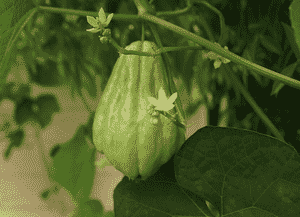
Distinguished by its gourd-like produce and robust vine development, chayote necessitates judicious trimming to preserve plant vitality and boost fruit yield. Essential methods involve excising deceased or ailing stalks, reducing dense sections to foster air movement, and cutting back side shoots to promote upward development. The most effective time for pruning is in late winter or early spring, revitalizing the plant for the upcoming cultivation period. Consistent trimming optimizes output and simplifies gathering by sustaining a controllable plant architecture.
What Are the Advantages of Trimming Chayote?
What Are the Advantages of Trimming Chayote?
Trimming chayote encourages healthier, more vigorous development, leading to a greater harvest. Regular cutting helps manage its size and form, ensuring an attractive and easy-to-handle plant that is more resistant to pests and diseases.
When Is the Optimal Time for Trimming Chayote?
When Is the Optimal Time for Trimming Chayote?
The best period for pruning or trimming chayote coincides with its dormant phase, typically in late winter. By performing pruning before the vigorous growth period begins in early spring, gardeners ensure that chayote can recover and efficiently direct its energy towards new development. Late winter pruning aids in removing dead or damaged tissue, which could otherwise foster disease. Furthermore, early spring pruning is vital for shaping the plant and preparing it for the upcoming growing season, thereby boosting fruit production and overall plant vitality. Eliminating old or less productive stems at this time improves air circulation and light penetration, both crucial for chayote's growth cycle. This timing also prevents disruption of the plant's flowering or fruiting stages, which could potentially decrease yield if pruning occurs too late in the season.
What Equipment Do I Need to Trim Chayote?
Hand Pruners
Perfect for cutting thin stems and branches of chayote, providing clean, precise cuts without harming the plant.
Loppers
Suitable for cutting thicker stems and vines of chayote that are out of reach for hand pruners, ensuring effective cuts on older, woodier growth.
Pruning Saws
Essential for cutting through larger, mature branches of chayote when hand pruners and loppers are insufficient.
Gloves
To shield hands from scratches and sap while trimming chayote, ensuring the gardener's safety during the task.
Garden Shears
Useful for shaping and managing the overall foliage of chayote, promoting a neat growth habit and improving air circulation within the plant.
Pole Pruners
Helpful for reaching and cutting vines or branches of chayote at higher elevations without needing a ladder, maintaining the gardener's safety.
How to Trim Chayote
Cleanup
Remove chayote's diseased and withered leaves by cutting them at their base with sharp, sterilized pruning shears. This reduces disease spread and encourages healthy growth.
Thinning
Thin out chayote's dead or diseased branches. Make cuts at a 45-degree angle just above a healthy bud or intersecting branch to promote proper healing and direct new growth outward.
Shaping
Shape chayote by selectively trimming back overgrown branches to maintain the desired structure. Cut branches just above a leaf node or lateral branch to encourage denser foliage.
Disposal
Discard all removed diseased material away from the garden to prevent reinfection. Do not compost material that may harbor disease.
Care
After pruning, clean your tools with a disinfectant solution to prevent the spread of disease to other plants. Monitor chayote closely for signs of recovery and new growth.
Common Trimming Errors with Chayote
Excessive Pruning
Removing too much foliage from chayote at once can impede photosynthesis and plant growth. Gardeners should avoid cutting back more than one-third of the plant at a time.
Incorrect Cutting Technique
Using dull or unclean tools can damage chayote tissues, potentially leading to disease. Always use sharp and sanitized pruning shears.
Trimming Productive Parts
Accidentally cutting off flower-bearing shoots or young fruits can reduce the yield of chayote. Gardeners should identify and spare these productive parts during pruning.
Ignoring Plant Shape
Failing to consider the natural form of chayote can result in an unbalanced or unnatural shape after trimming. Gardeners should follow the plant's growth habit for optimal results.
General Trimming Advice for Chayote
Selective Trimming
Focus on removing dead or diseased stems, as well as any crisscrossing or inward-growing branches. This will improve air circulation and light penetration for chayote.
Morning Trimming
Prune during the early part of the day, when chayote is less likely to experience stress. Morning pruning allows cuts to heal before the cooler, more humid evening.
Tool Preparation
Before trimming chayote, ensure all tools are sharp and disinfected to prevent the spread of disease and promote clean cuts that heal quickly.
Growth Promotion
Encourage new growth on chayote by making pruning cuts just above a leaf node or bud. This will stimulate the plant to produce new, healthy shoots.



