How to Prune Barbed skullcap?
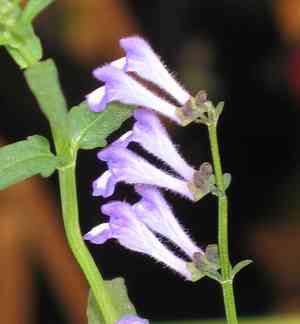
Distinguished by its violet-blue blossoms and spear-shaped foliage, barbed skullcap is optimally trimmed in the spring or early summer period. Nipping off nascent stems fosters a denser form, and eliminating faded flowers stimulates ongoing blooming. Removing withered flowers from the plant post-bloom preserves its aesthetic and could boost development. Trimming ought to concentrate on contouring and managing dimensions, steering clear of severe cuts that might strain the plant. Regular, gentle pruning aids barbed skullcap, enhancing air movement and lowering susceptibility to ailments.
What Are the Benefits of Pruning Barbed Skullcap?
What Are the Benefits of Pruning Barbed Skullcap?
Trimming barbed skullcap promotes robust development and maintains its desired form, resulting in a healthier and more visually appealing plant.
What Is the Best Time for Pruning Barbed Skullcap?
What Is the Best Time for Pruning Barbed Skullcap?
Pruning or trimming barbed skullcap in late spring or early summer is most advantageous, aligning with its growth cycle and well-being. Post-spring pruning allows barbed skullcap to recover from winter dormancy and benefit from the season's growth spurts. This timing ensures the removal of any dead or damaged foliage that may have accumulated over winter, fostering healthier growth and improved air circulation. During early summer, barbed skullcap can be pruned to shape the plant and manage its size, especially after the spring growth flush, without significantly impacting its flowering, as it typically blooms later in the summer. Pruning during this period helps direct barbed skullcap's energy towards producing strong foliage and flowers, while also providing time for wounds to heal before the arrival of fall and winter. It is crucial to avoid late summer or fall pruning, as this can stimulate new growth that may not harden off in time for winter, potentially leading to cold damage.
What Tools Do I Need to Prune Barbed Skullcap?
Bypass Pruners
Perfect for making accurate and clean cuts, bypass pruners suit the small scale of barbed skullcap, enabling selective trimming without causing unnecessary harm to the plant's delicate stems.
Snips
These are ideal for deadheading or snipping off faded flowers and light growth on barbed skullcap. Their precision allows for accurate cuts, ensuring the healthy development of barbed skullcap.
Gloves
Gardening gloves shield hands from thorns or rough plant material when pruning barbed skullcap, enhancing safety and comfort during the task.
Pruning Shears
For shaping barbed skullcap or managing its size, pruning shears can handle woodier stems. They provide good leverage and control for thicker growth.
How to Prune Barbed Skullcap
Sterilize tools
Sanitize all pruning shears and scissors by wiping them with rubbing alcohol to prevent the spread of disease when trimming barbed skullcap.
Disinfect hands
Before handling barbed skullcap, ensure your hands are clean and consider wearing gloves to further minimize the transfer of any plant pathogens.
Remove diseased leaves
Using sterilized shears, carefully cut away any diseased leaves from barbed skullcap, making the cut at the base of the leaf stem, close to the main stem to avoid leaving stubs.
Prune withered leaves
Identify and trim off withered leaves to promote healthier growth. Make sure to cut these leaves at the base where they attach to the stem to encourage new foliage.
Cut diseased stems
Locate any diseased stems on barbed skullcap and cut them back to healthy tissue, ensuring the cut is made at a node where new growth can sprout. If the entire stem is affected, remove it at the base.
Common Pruning Mistakes with Barbed Skullcap
Overpruning
Removing too much foliage from barbed skullcap during pruning can stress the plant and lead to reduced blooming and vigor.
Cutting too close
Making cuts too close to the main stems may damage the plant's growing points, inhibiting future growth.
Blunt tools
Using dull or unclean pruning tools can cause jagged cuts that make barbed skullcap vulnerable to pests and diseases.
Neglecting deadheading
Failing to remove spent flowers from barbed skullcap may prevent the plant from producing new blooms, as energy is redirected to seed production.
Shaping incorrectly
Attempting to force barbed skullcap into an unnatural shape can lead to poor growth and may reduce the plantâs overall health.
Common Pruning Tips for Barbed Skullcap
Selective cutting
Cut back only the areas of barbed skullcap that are overgrown or have spent flowers, maintaining the natural shape of the plant.
Clean cuts
Make clean and precise cuts at a 45-degree angle just above a leaf node or a branching point to promote healthy regrowth.
Tool maintenance
Ensure all pruning tools are sharp and sterilized before use to minimize damage and the spread of disease to barbed skullcap.
Deadheading
Regularly remove spent flowers to encourage barbed skullcap to produce new blooms and to maintain a tidy appearance.
Thin out
Thin out dense areas to increase air circulation, which can help prevent disease and promote healthy growth in barbed skullcap.



