How to Prune Baikal skullcap?
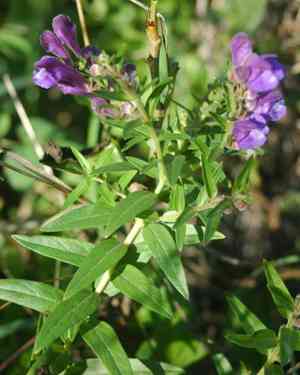
A perennial herb valued for its therapeutic roots, Scutellaria baicalensis necessitates meticulous trimming to foster robust development. Snip off faded blooms and compromised stalks during Spring, Summer, and Autumn to encourage a denser form. Each year, eliminate older stems to revitalize the specimen. Pruning not only preserves an appealing silhouette but also enhances the yield of its precious roots. Refrain from excessive cutting to safeguard the root structure, which is vital for its medicinal attributes.
What Are the Benefits of Pruning Baikal Skullcap?
What Are the Benefits of Pruning Baikal Skullcap?
Trimming baikal skullcap promotes abundant flowering, maintains its desired shape, and ensures robust development. Regular cutting keeps baikal skullcap compact and thriving, improving light exposure and air circulation.
What Is the Best Time for Pruning Baikal Skullcap?
What Is the Best Time for Pruning Baikal Skullcap?
Pruning in late spring to early summer allows baikal skullcap to recover and grow vigorously during its active growth period. Pruning is done after the risk of frost has passed to prevent damage to new growth. Trimming before or during the flowering period in summer can impact blooming and potential medicinal properties' development. Light pruning can continue into fall to shape the plant, but heavy pruning should be avoided to prevent stress before dormancy in winter.
What Tools Do I Need to Prune Baikal Skullcap?
Hand Pruners
Baikal skullcap is a herbaceous perennial plant which means that a precise and clean cut is important to maintain the health of the plant. Hand pruners are ideal for this task as they can easily cut through stems without crushing tissue, which is essential as baikal skullcap has relatively soft stems that are typically not very thick.
Pruning Shears
For general maintenance and shaping of baikal skullcap, pruning shears are effective. They provide a good grip and more control in reaching into the plant to selectively remove or trim stems, which aids in promoting air circulation and preventing disease.
Garden Scissors
For thinning and deadheading the small delicate flowers of baikal skullcap, garden scissors are often preferred. They allow for precise snips without causing damage to the neighboring flowers and stems, thus ensuring the aesthetic value of baikal skullcap is maintained.
Floral Snips
Floral snips are well-suited for the soft stems and fine foliage of baikal skullcap. They offer a delicate touch that is perfect for cutting flowers for arrangements or for detailed pruning work.
How to Prune Baikal Skullcap
Cleaning
Sanitize your pruning shears with isopropyl alcohol or a similar disinfectant to prevent the spread of disease during pruning of baikal skullcap.
Diseased leaves
Carefully remove any diseased leaves from baikal skullcap by cutting each leaf at its base, where it connects to the stem, avoiding damage to the healthy tissue.
Withered leaves
Identify withered or yellowing leaves on baikal skullcap and trim them at the base of the leaf stem to promote healthy growth and enhance air circulation.
Withered flowers
Snip off withered flowers from baikal skullcap to divert the plant's energy away from seed production toward root and foliage development.
Maintenance
After pruning baikal skullcap, dispose of the removed plant material properly to reduce the risk of disease spread and clean your tools again to maintain their effectiveness for future use.
Common Pruning Mistakes with Baikal Skullcap
Overpruning
Removing too much growth at once can stress baikal skullcap, hindering its ability to flourish.
Cutting into Old Wood
Since baikal skullcap blooms on new growth, cutting into the old, woody stems can reduce the number of flowers.
Improper Tool Use
Using dull or dirty pruning tools can damage the stems of baikal skullcap and introduce disease.
Incorrect Cut Angle
Making cuts that are not angled correctly can lead to water accumulation on the cut surface, promoting rot.
Pruning too Close
Cutting too close to the main stem or a leaf node can damage baikal skullcap and hinder its recovery.
Neglecting to Thin
Failing to thin out crowded stems can reduce air circulation and light penetration, leading to a less vigorous baikal skullcap.
Common Pruning Tips for Baikal Skullcap
Selective Pruning
Only remove the parts of baikal skullcap that are necessary, such as dead or weak stems, to encourage healthy growth.
Clean Cuts
Use sharp, clean tools to make clean cuts that baikal skullcap can heal from quickly, preventing disease ingress.
Prune for Shape
Prune baikal skullcap to maintain its natural shape, promoting a balanced and aesthetically pleasing form.
Encourage New Growth
Make cuts above a set of leaves or buds to encourage branching and new growth, resulting in a fuller baikal skullcap.
Thinning Out
Thin out overcrowded areas to improve air flow and light penetration, which benefits the overall health of baikal skullcap.
Timely Pruning
While excluding seasonal advice, ensuring that pruning is done at appropriate times in the plant's growth cycle is crucial for its well-being.



