How to Prune Licorice weed?
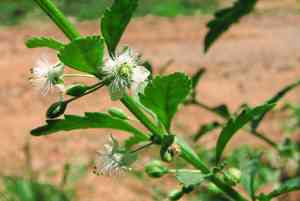
A perennial herb recognized for its fragrant leaves, licorice weed flourishes with consistent trimming. Trim to eliminate compromised or ailing stalks and manage its expansion. The ideal periods span from spring to autumn, aligning with its active development stages. Regular trimming benefits licorice weed by fostering thicker foliage and preventing sparse growth. Make sure cuts are clean to preserve the plant's well-being. Trimming outside these periods could impede growth or diminish the plant's vitality.
What Are the Benefits of Pruning Licorice Weed?
What Are the Benefits of Pruning Licorice Weed?
Trimming licorice weed promotes more robust development by reallocating energy to new shoots and maintains its desired form, enhancing its visual appeal in a garden.
What Is the Best Time for Pruning Licorice Weed?
What Is the Best Time for Pruning Licorice Weed?
Spring trimming aligns with licorice weed's post-dormancy phase, stimulating fresh growth as the plant enters its active season. Early Summer pruning helps shape the plant and manage its size before it becomes overgrown, also aiding in resource conservation for optimal health. Early Fall pruning, while the plant is still active but before colder temperatures arrive, allows for the removal of any dead or diseased growth from summer, fostering better health and preventing potential issues during dormancy. These periods avoid the stress of cutting licorice weed during its blooming phase or when growth slows in late Fall, ensuring the plant retains vigor and resilience.
What Tools Do I Need to Prune Licorice Weed?
Hand Pruners
Perfect for cutting thin stems and small branches on licorice weed, providing the precision and control needed for maintaining its shape and removing dead or unhealthy growth.
Shears
Ideal for shaping licorice weed and trimming soft green foliage, shears enable quick shaping, and when licorice weed grows densely, they can neatly trim multiple stems simultaneously.
Gloves
Though not a cutting tool, they are crucial for protecting the gardener's hands from potential irritants or scratches while pruning licorice weed.
Pruning Saw
For licorice weed with older, woodier stems that may have thickened over time, a pruning saw offers the necessary cutting power to handle larger branches that hand pruners cannot manage.
How to Prune Licorice Weed
Cleaning Tools
Before beginning, ensure all pruning implements are clean and sharp to prevent disease spread and ensure clean cuts.
Determining Parts
Identify all withered leaves on licorice weed, being careful not to mistake them for healthy foliage.
Cutting
Using pruning shears, snip off the withered leaves where they meet the stem, doing so without harming healthy sections.
Disposal
Gather and discard the removed withered leaves to minimize the risk of disease or pest infestation.
Monitoring Health
After pruning, observe licorice weed for signs of new growth or any remaining dead material, repeating the process if necessary.
Common Pruning Mistakes with Licorice Weed
Overpruning
Removing too much foliage can stress licorice weed, leading to poor development or a weakened state, making it vulnerable to pests or diseases.
Improper Cut Location
Cutting either too close or too far from the node can harm the plant or result in undesirable growth.
Using Dull Tools
Pruning with blunt tools can create jagged cuts that are more susceptible to infection, which can, in turn, harm licorice weed's overall health.
Neglecting Sanitization
Failing to sanitize pruning tools before use can introduce pathogens to licorice weed, leading to disease transmission.
Ignoring Plant Structure
Not considering licorice weed's natural growth pattern and pruning without a clear objective can lead to an unbalanced shape and poor air circulation within the plant.
Pruning Without Healing Time
Trimming licorice weed too frequently without sufficient time for recovery can weaken the plant and hinder growth.
Common Pruning Tips for Licorice Weed
Sharp Clean Tools
Utilize sharp, clean pruning shears to make precise cuts that heal quickly, reducing the risk of infection for licorice weed.
Judicious Trimming
Prune sparingly and thoughtfully, ensuring not to remove more than one-third of licorice weed's total foliage during a single pruning session.
Strategic Cuts
Make cuts at a 45-degree angle just above a leaf node to encourage new growth in the desired direction and avoid leaving stubs.
Thinning Over Crowded Areas
Thin out congested branches to improve air circulation and light penetration, which will enhance licorice weed's overall health and growth.
Promote Bushiness
Pinch back the tips of licorice weed to encourage a denser growth habit and a more attractive form.
Regular Maintenance
Regularly remove dead or diseased foliage to maintain the health of licorice weed and improve its aesthetic appearance.
Post-Pruning Care
After pruning, provide licorice weed with adequate water and potentially a balanced fertilizer to support recovery and vigorous growth.



