How to Prune Portuguese squill?
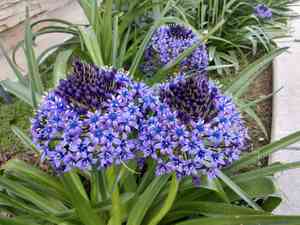
Originating from the Mediterranean region, this enduring bulbous plant showcases thick groupings of star-shaped blossoms and elongated, narrow leaves. For portuguese squill, trim faded flower stems down to the soil line, fostering the development of new foliage. Any withered or discolored leaves should only be taken off after they have naturally receded. Trimming can occur at any point, but performing it after flowering is optimal, enabling the plant to direct its resources toward root and bulb expansion. Consistent removal of spent blooms boosts vitality and could improve flowering in the subsequent period.
Advantages of Trimming portuguese squill
Advantages of Trimming portuguese squill
Trimming portuguese squill promotes more vivid blossoms and stimulates vigorous development. By cutting back excess growth, cultivators maintain portuguese squill's appealing form and enhance its overall vitality, ensuring a stunning display every season.
Optimal Period for Pruning portuguese squill
Optimal Period for Pruning portuguese squill
Pruning in late spring to early summer coincides with portuguese squill's post-flowering phase. Once portuguese squill has completed its blooming cycle, pruning helps prevent the plant from expending energy on seed production and encourages vegetative growth. During this time, removing spent flowers and dead or damaged foliage will not disrupt the plant's growth cycle. It is also a period when the risk of frost has passed, reducing stress on the plant. Additionally, pruning after bloom allows gardeners to enjoy the flowers before they are removed. This timing helps maintain plant health and vigor while shaping the plant for the next growing season.
Essential Tools for Pruning portuguese squill
Sharp Bypass Pruners
Perfect for making precise cuts on portuguese squill's foliage without crushing plant tissues, which helps prevent disease entry. Bypass pruners are effective for detailed trimming and can be used to remove dead or damaged leaves or spent flower stalks.
Gardening Gloves
Protects the gardener's hands from portuguese squill's sap, which might irritate some skin. Gloves also offer grip and protection from sharp edges during the pruning process.
Cleaning Alcohol or Disinfectant
Used to sanitize pruning tool blades before and after use on portuguese squill to prevent the spread of diseases among plants.
Small Gardening Scissors
Useful for snipping small and delicate parts of portuguese squill, such as thin stems or spent blooms that are too small for bypass pruners to handle without harming nearby healthy growth.
How to Prune portuguese squill
Eliminate Diseased Sections
Inspect portuguese squill for any diseased leaves and branches, then remove them with sterilized pruning shears to stop disease spread.
Trim Withered Elements
Cut off any withered leaves or dead branches from portuguese squill to keep it neat and encourage new growth. Cut close to the base of the withered part without harming healthy tissue.
Prune Dead Flowers
Deadhead the spent flowers of portuguese squill by cutting them back to the base of the flower stem. This can promote more blooms in the next flowering season.
Cleanup
Collect and dispose of all removed diseased and dead plant material away from portuguese squill to minimize the risk of reinfection or pests.
Sanitation
Clean the pruning shears with a 10% bleach solution or rubbing alcohol after trimming portuguese squill to ensure tools are sanitized for the next use.
Common Pruning Errors with portuguese squill
Excessive Pruning
Removing too much foliage from portuguese squill can weaken the plant. It may result in loss of flowers or even plant death, as its energy reserves are commonly stored in the leaves.
Cutting Flower Stalks Too Early
Snipping the flower stalks before they have completely died back can limit the plant's ability to photosynthesize and reduce energy gathering for the next blooming cycle.
Pruning During Active Growth
Pruning portuguese squill while it is in active growth can disrupt the growth cycle and reduce flowering performance.
Not Using Clean Tools
Using tools that are not sterile can introduce diseases to portuguese squill, as the cuts can serve as entry points for pathogens.
Pruning For Shape
Attempting to prune portuguese squill to shape it can be a mistake, as it naturally forms tight clumps of foliage that are best left undisturbed.
General Pruning Advice for portuguese squill
Wait For Foliage To Yellow
Allow the leaves of portuguese squill to yellow and die back naturally after flowering before removing them. This ensures that the bulb has gathered enough energy for the next season.
Remove Spent Flower Stalks
Once the flower stalks of portuguese squill have completely dried, they can be carefully cut back to the base to tidy up the plant.
Prune Damaged Leaves
If there are any damaged or diseased leaves, they should be pruned to prevent the spread of disease and to keep portuguese squill looking its best.
Use Sharp, Clean Tools
To ensure clean cuts and reduce the risk of disease, use sharp and sterilized pruning tools when trimming portuguese squill.
Minimal Pruning
Understand that portuguese squill requires minimal pruning. Focus on removing dead or damaged plant parts rather than shaping or reducing the size of the plant.



